-
Black-throated Blue Warbler
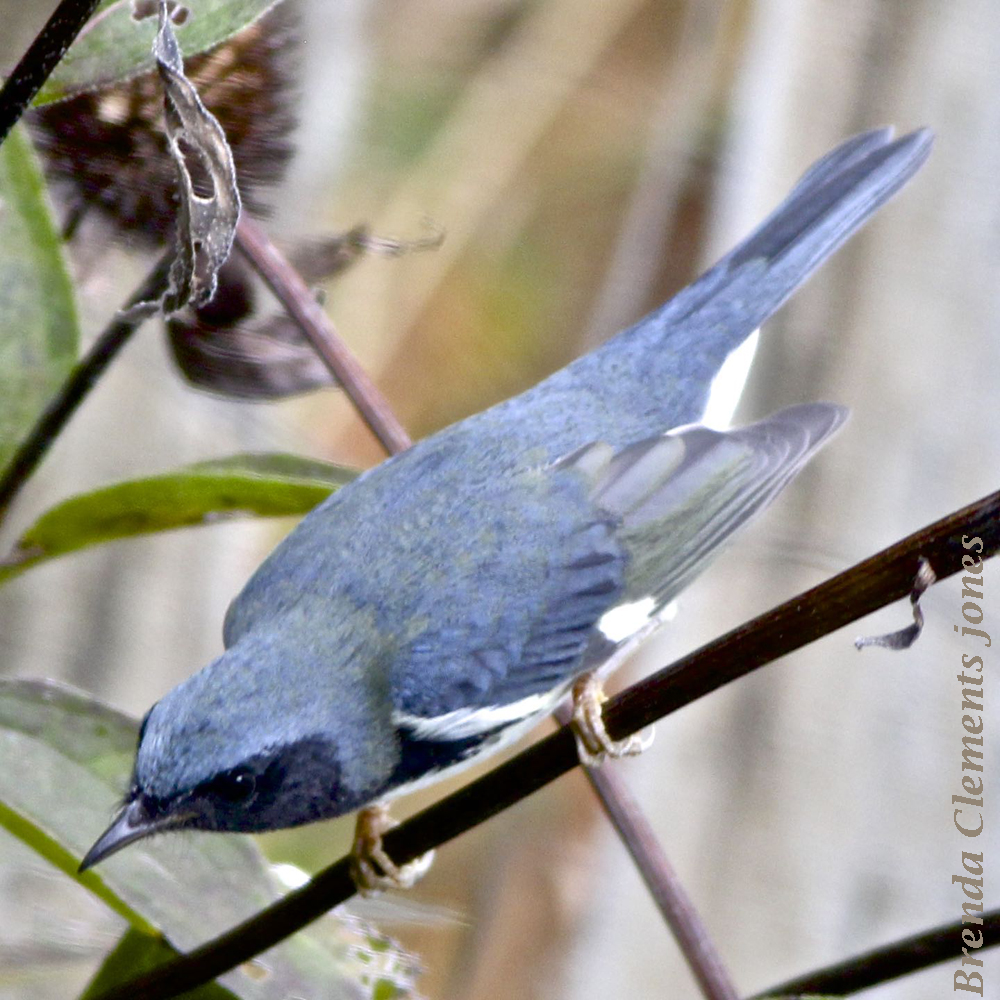
Stopping by for a meal on the way south. A Black-throated Blue Warbler (Dendroica caerulescens) enjoys the seeds of Purple Coneflowers that I’ve left for the travelers. My gardens may look untidy, but they are a way of welcoming these birds as they pass through. Birds that are migrating long distances during the dark of…
-
Correction: Not Creeping Cucumber But Mexican Sour Gherkin

UPDATE: There was great surprise when these cute miniature watermelon looking things were discovered in the vegetable garden. The two of us scratching our heads. What in the world could these be? I immediately put on my detective hat and began digging through the vast world of the Internet. I thought I found the answer…
-
Virginia Creeper

Virginia Creeper (Parthenocissus quinquefolia). If Virginia Creeper had the ability to party, this would certainly be its time. Sunlight shining through brightly colored leaves of vermilion. Glowing way up in the tree tops. Decorating the woods. For that long list of party attendees. If Virginia Creeper had the ability to party, this would certainly be…
-
Poison Ivy in Autumn
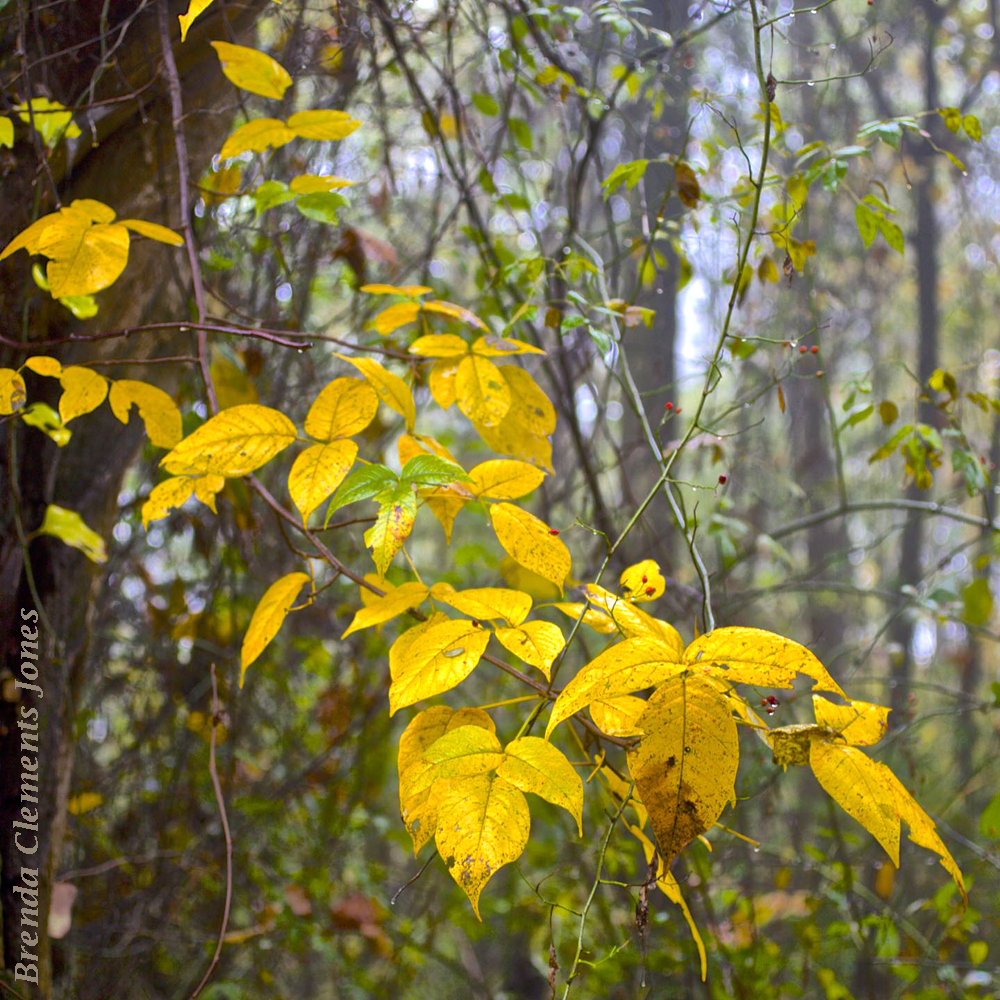
Autumn brings along surprises with native Poison Ivy. The plant’s leaves become beautiful, luminous colors. Some reach out from tree trunks disguising the fact that it is a vine and one that humans should avoid. It’s not a tree but a climbing vine. Easy to think as the vine wraps round and climbs the tree…
-
Black Walnuts
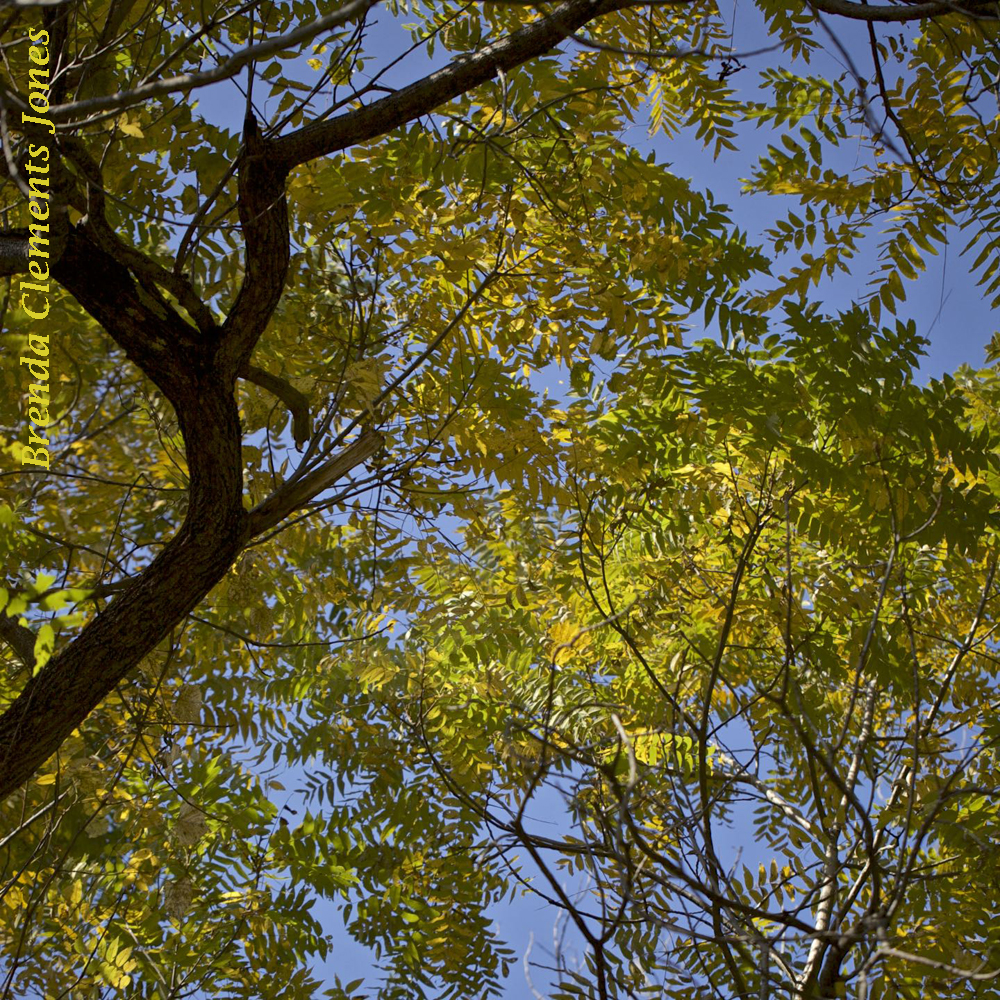
Looking up from beneath a Black Walnut (Juglans nigra) reveals a splendid, captivating pattern against the sky. Now that pattern has an added element, a change in color. Each leaflet of every compound leaf is changing little by little. Emerald to chartreuse green to chartreuse yellow and everything in between. Black Walnuts dropping everywhere staining…
-
Dark Morph of Eastern Tiger Swallowtail
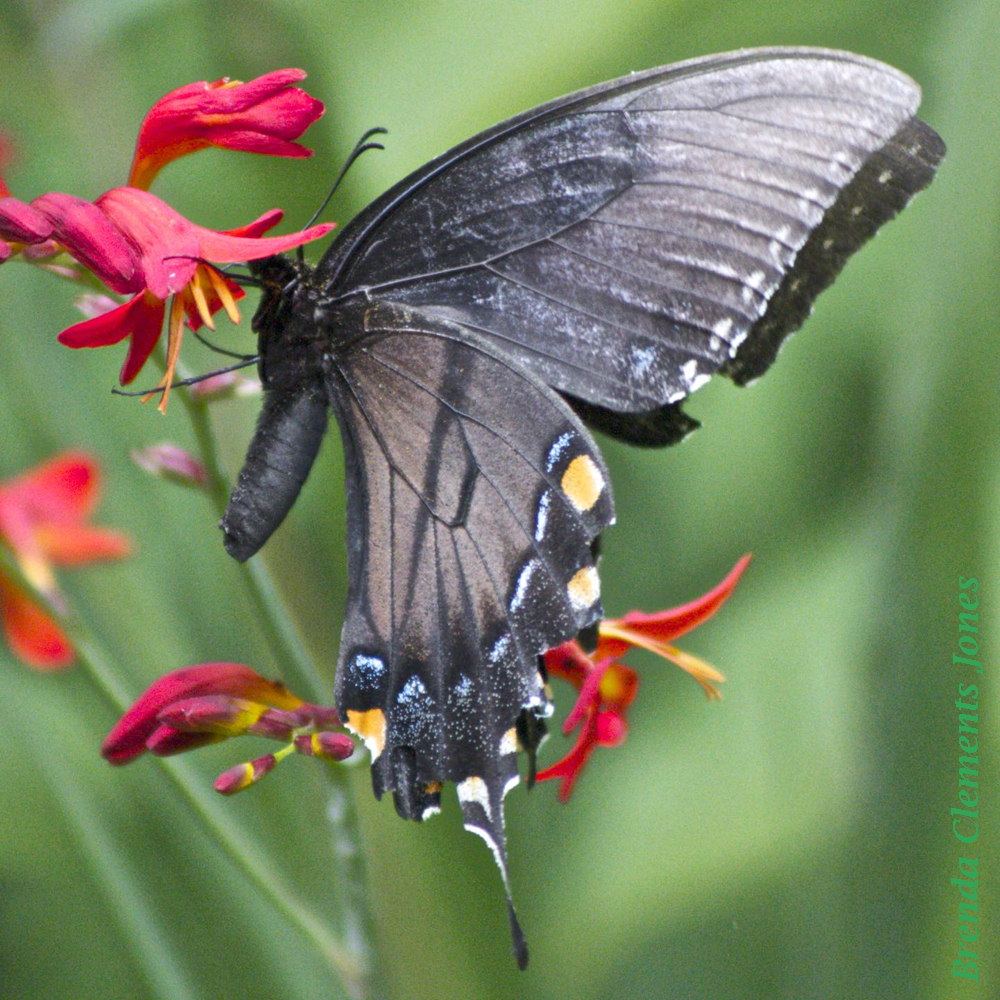
The world of Nature always boggles my mind no matter what I am studying. There is always something that totally astounds me. One example is the dark morph of the female Eastern Tiger Swallowtail (Papilio glaucus). That’s one in the photo above. Yes, a Tiger Swallowtail. Not yellow, but black. Your location will influence how…
-
White Wood Aster
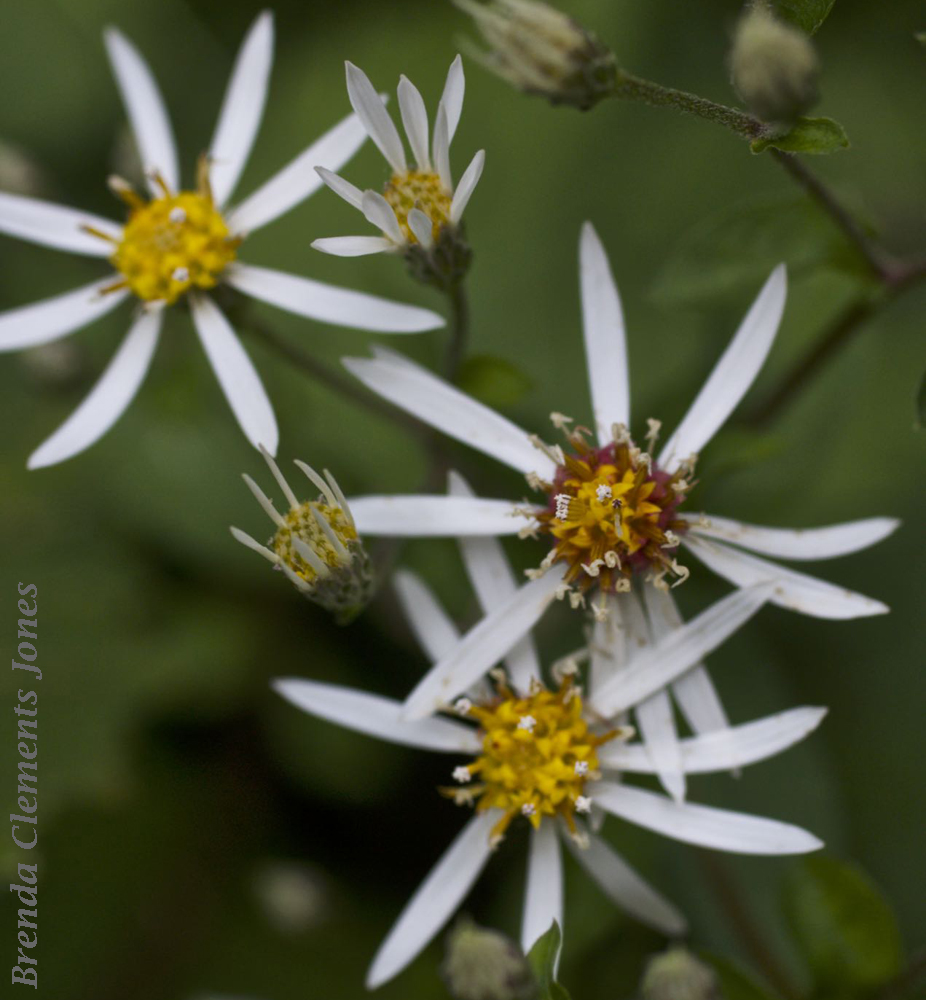
White Wood Aster (Eurybia divaricata), is an herbaceous perennial plant native to eastern North America. It’s encountered mainly in the Appalachian Mountains but can be found scattered in other places in the east. Stems that are not perfectly straight, take on a reddish/purplish hue as the season wears on. Heart-shaped leaves with serrated edges. Plants…
-
Creeping Cucumber

Creeping Cucumber (Melothria pendula). Perfect for a dollhouse if you need a tiny watermelon of dollhouse scale. If only they would last. It is native to southeastern North America. With flowers of yellow, just 1/4 inch across. Though it is native it will be treated as a weed here. A weed, after all is a…