-
And Now Autumn
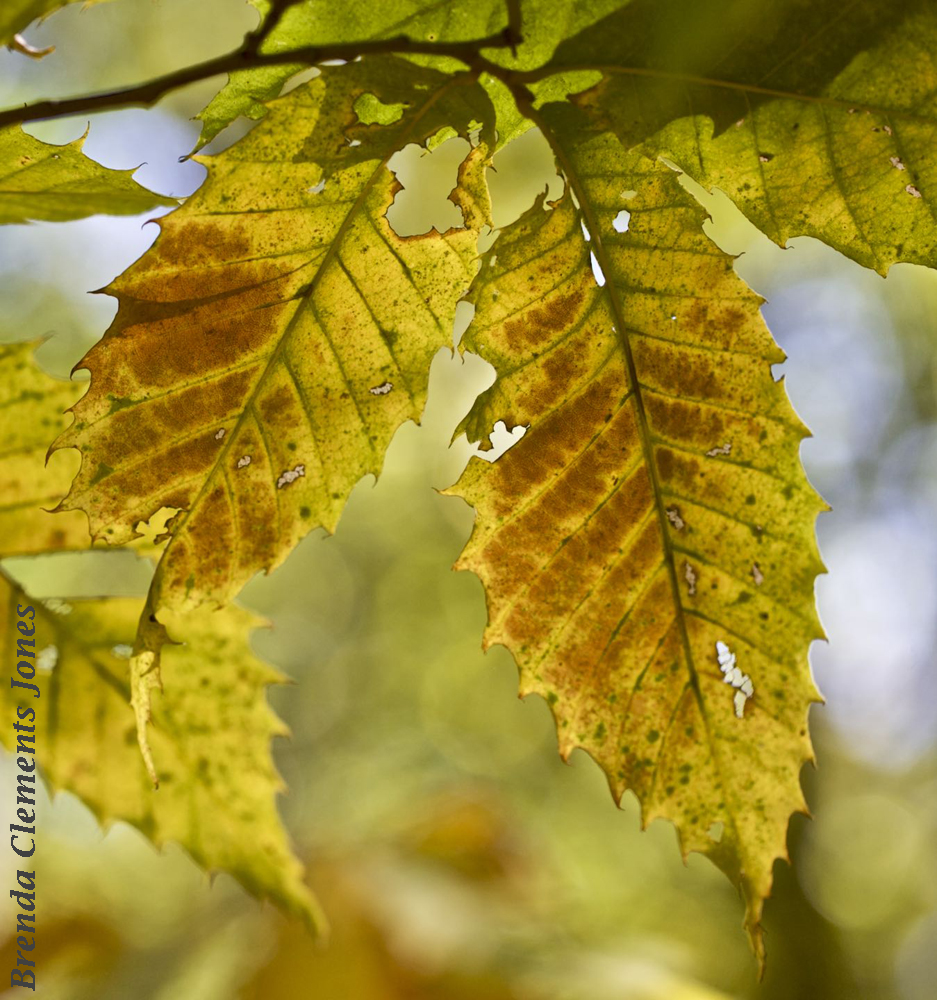
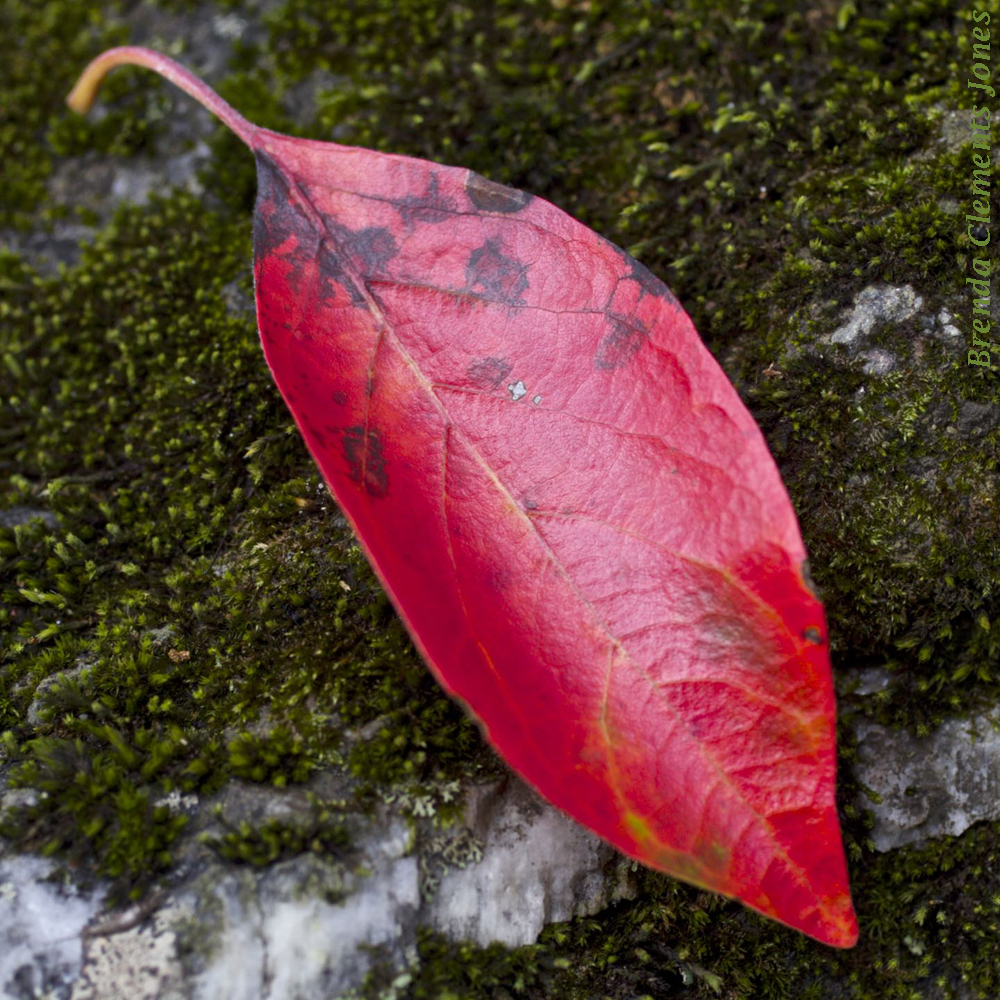
Gone are the days of carefree summer. Oh but the things to come. Color. The color of Virginia Creeper with it’s crimson leaves. Brilliant color. All the leaves that had been cool greens now becoming warm colors. Rich colors become ubiquitous. Red Maples turning red or orange or yellow. Another Red Maple. This one scarlet…
-
Marbled Orb Weaver
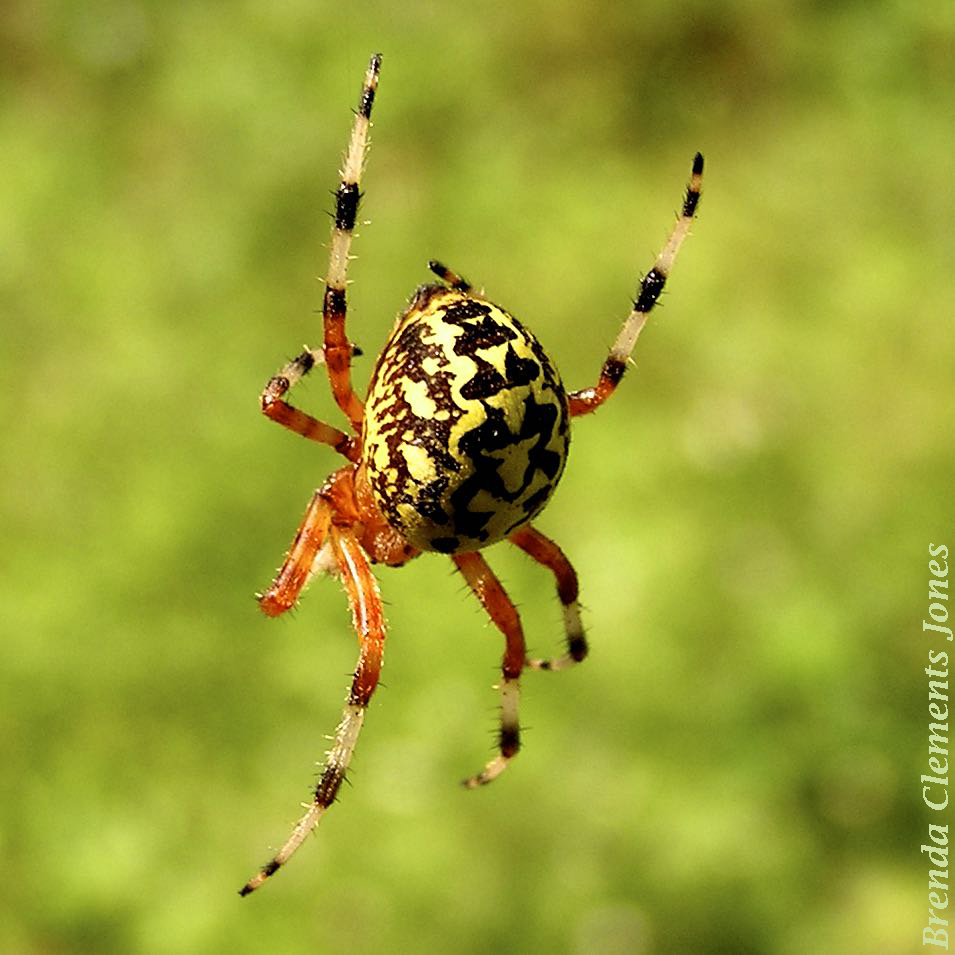
They seem to arrive every year at this time. Just when I’m thinking about the grand holiday. Halloween. It’s as if they know I want my porches decorated for the big day. Dressed in an appropriate outfit for the season. Bright yellow and black coveralls complimented with long striped stockings of orange, black and white.…
-
Woodland Sunflower
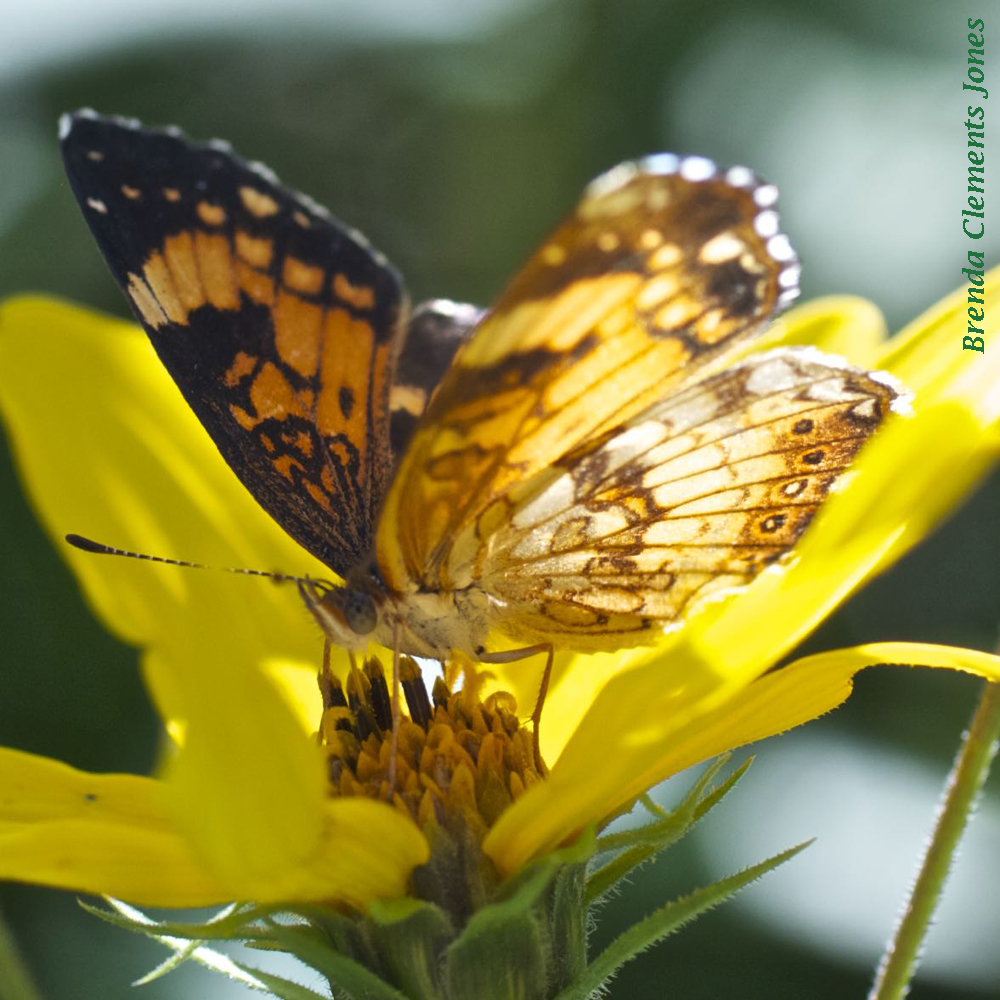
Woodland Sunflower (Helianthus divaricatus). An herbaceous perennial that often grows to 5 – 7 feet tall. It’s native to eastern and central North America and can be found along rocky trails and dry open sites. As this example, as it dances in the dappled sunlight shows, the leaves are opposite with a smooth to slightly toothed margin…
-
Sugar Maple Trees
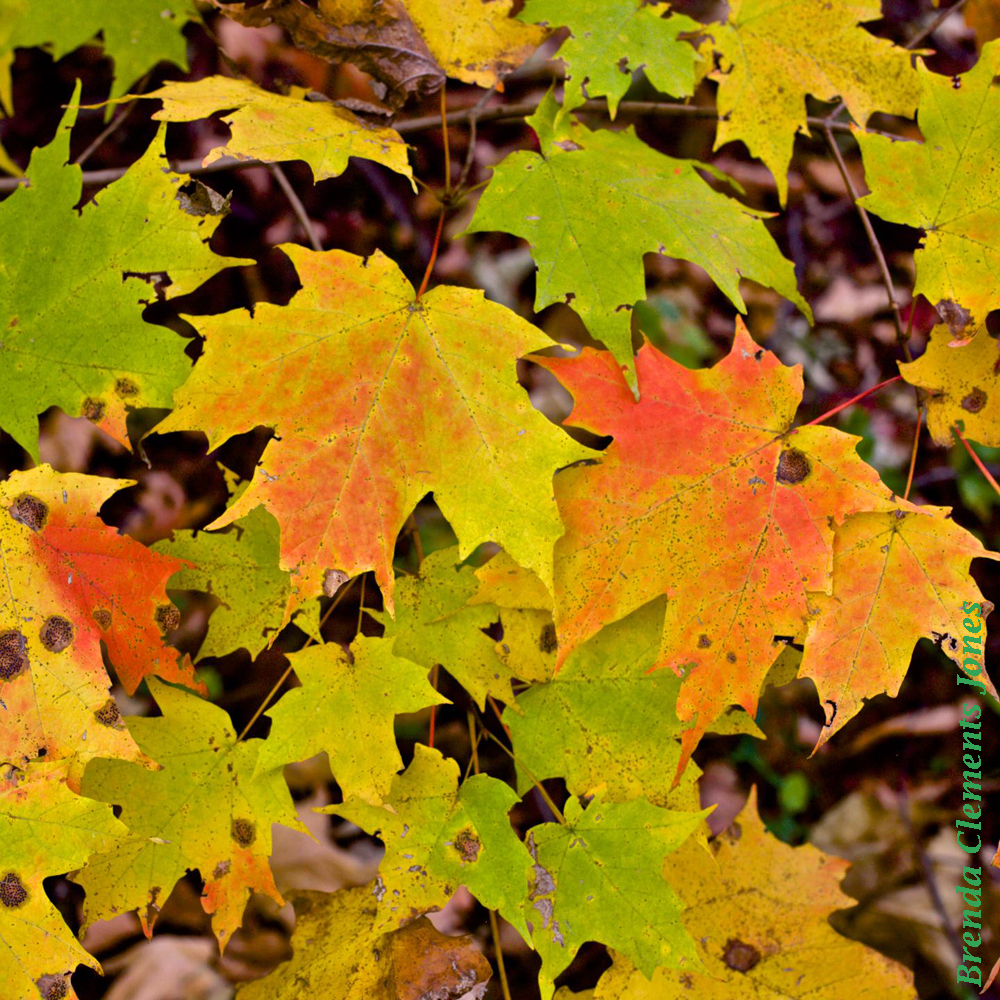
I spent a few days last week just north of Monterey, Highland County, Virginia. Pure heaven. This view is the backyard of the place where I stayed, and a grand old Sugar Maple (Acer saccharum). So many Sugar Maples there in the mountains. Sugar Maples are native to eastern Canada and northeastern United States. And are…
-
Aromatic Asters
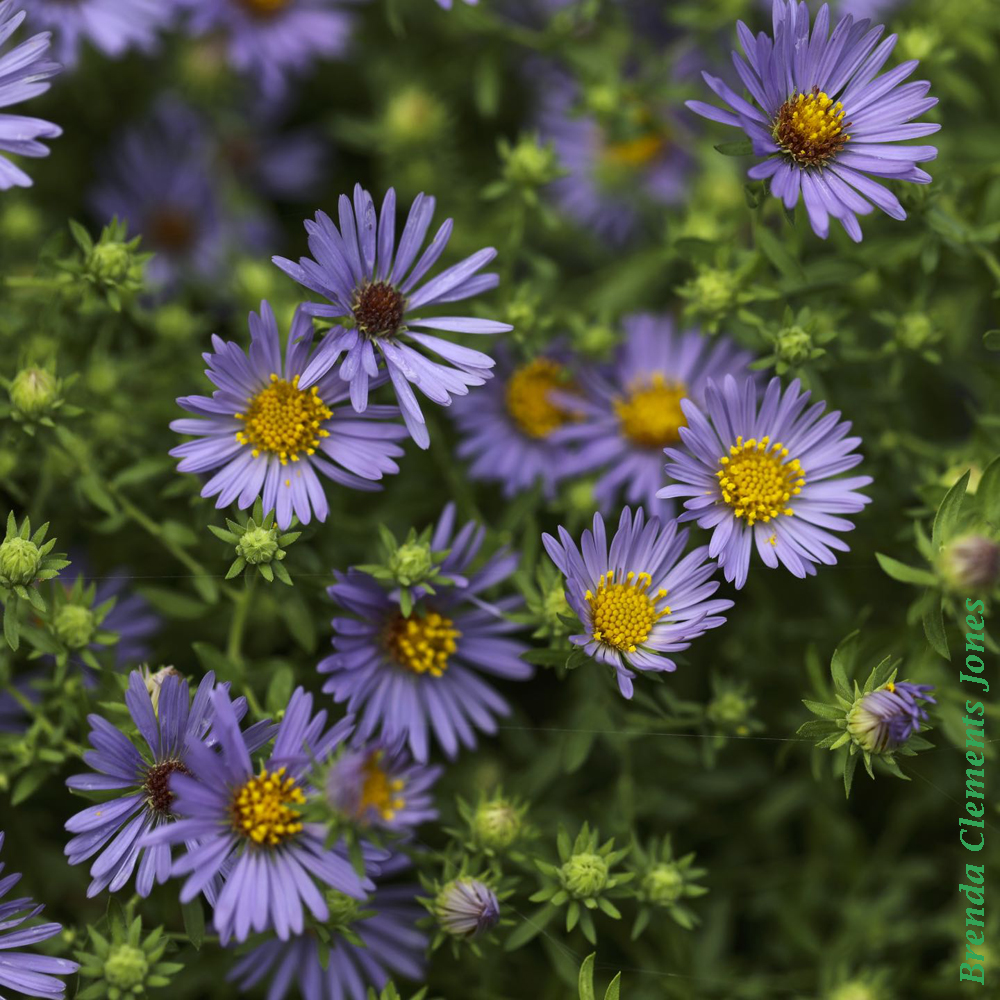
Aromatic Asters (Symphyotrichum oblongifolium) are visited by bees, butterflies and skippers, seeking nectar and in the case of the bees, pollen. The caterpillars of moths and of Silvery Checkerspot Butterflies eat the foliage. This Crab Spider is hanging around hoping to catch some dinner, just waiting for the perfect insect to come along. I’ve got…
-
American Persimmons
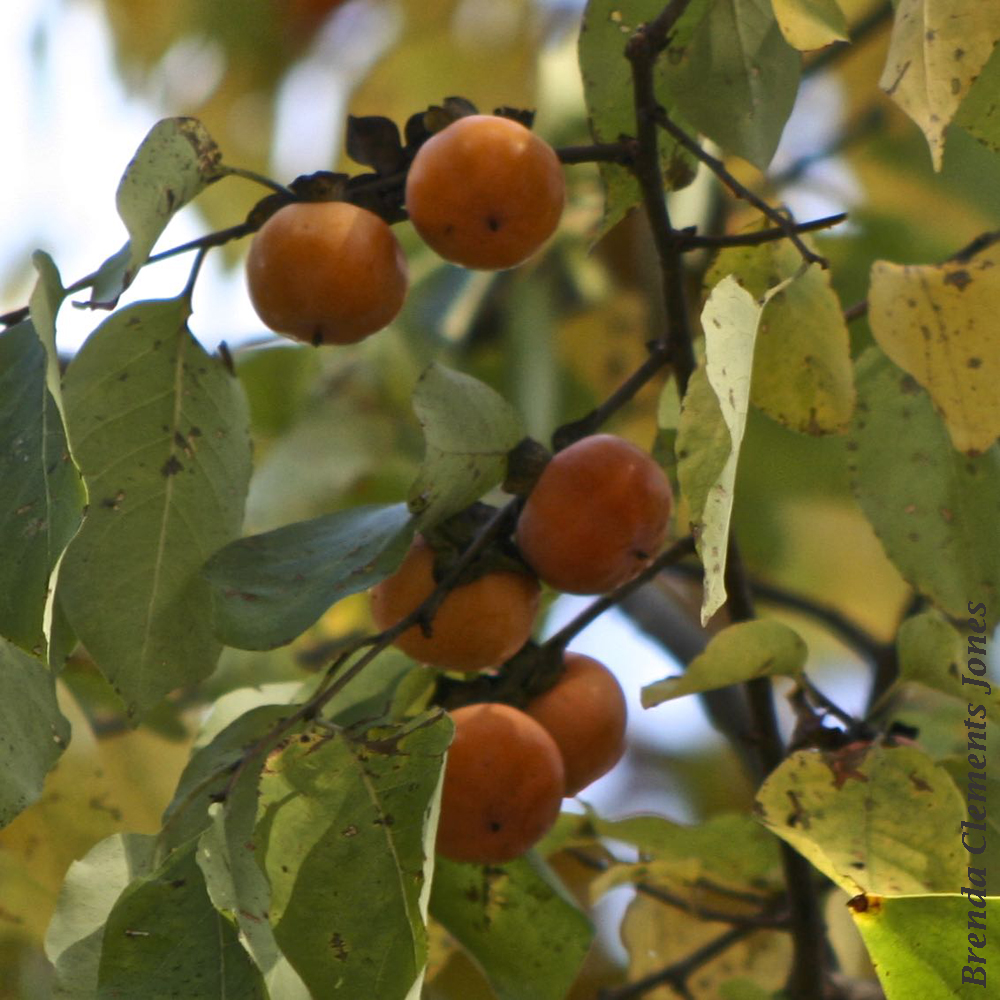
American Persimmons (Diospyros virginiana). They seem to be everywhere up here now. The fruit growing into a small orb with a soft green color. Dropping from their branches as they ripen. Those little fruits are tempting bears, if any bears are around here now. It’s something that bears really enjoy eating if one can tell…