-
Echinacea
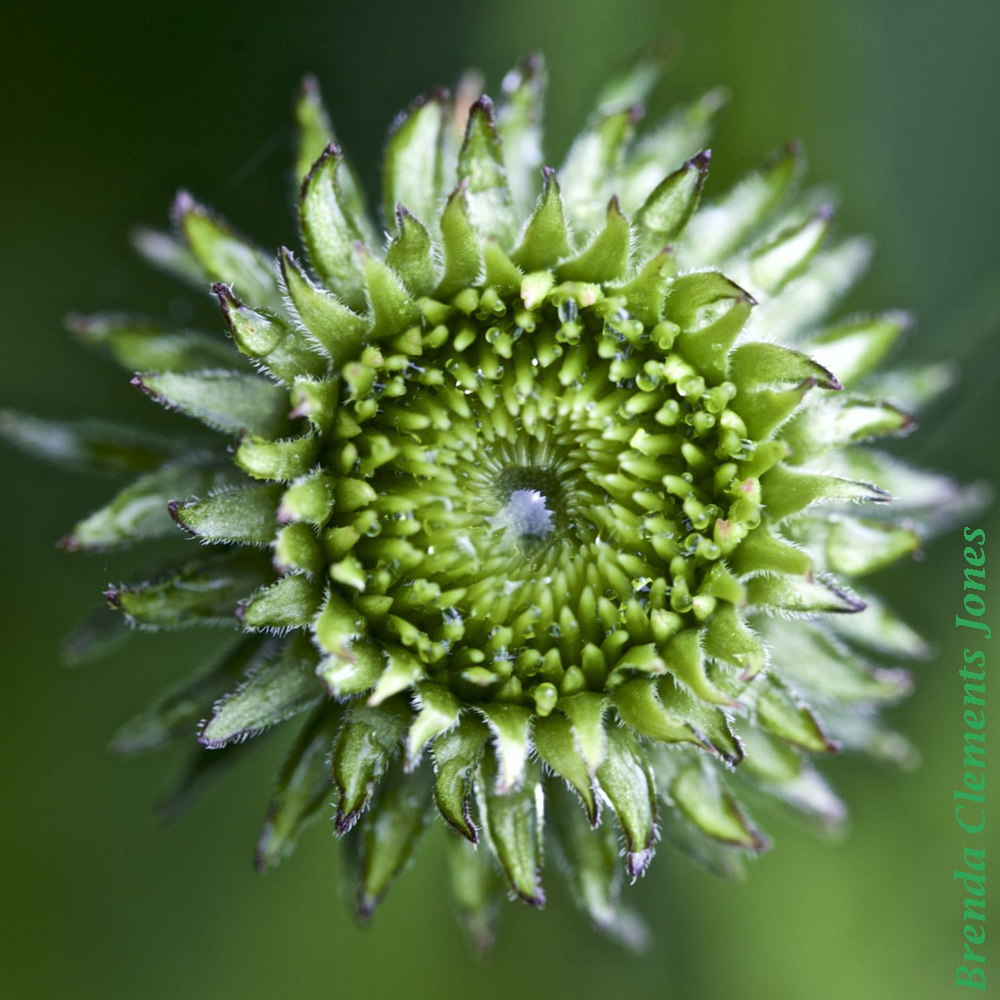
What a weekend. It’s been quite dry but I know to be careful what I wish for. Friday evening brought a storm with high winds, lightning and thunder happening nearly at the same time, and the rain. A decent amount of rain but it came down in just 10 or 15 minutes. Much too quickly.…
-
Silver-spotted Skipper Revisited
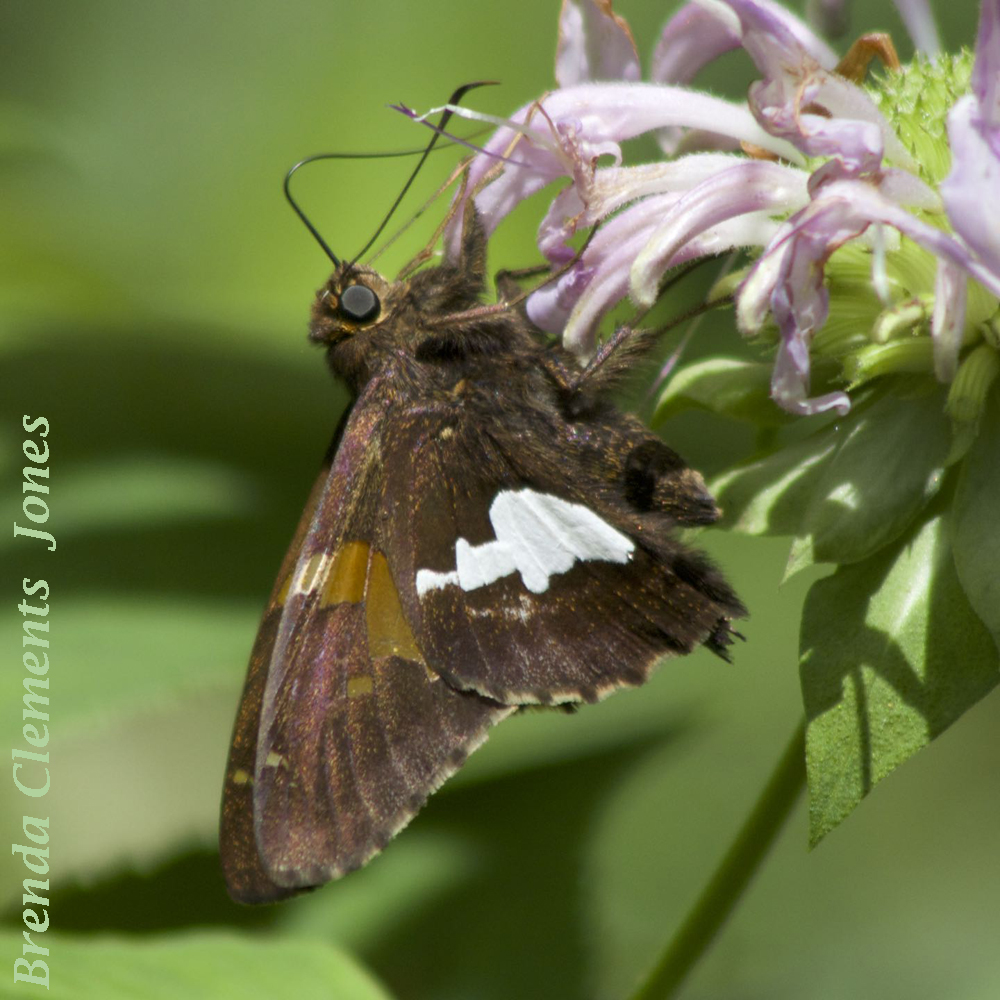
With a wingspan of 1.75 to 2.5 inches the Silver-spotted Skipper (Epargyreus clarus) is the largest of the skippers. But being the largest of the skippers doesn’t make it LARGE compared to some moths and butterflies. The Silver-spotted Skipper is certainly the skipper that I see most often as I check out the trails here…
-
Smooth False Foxglove
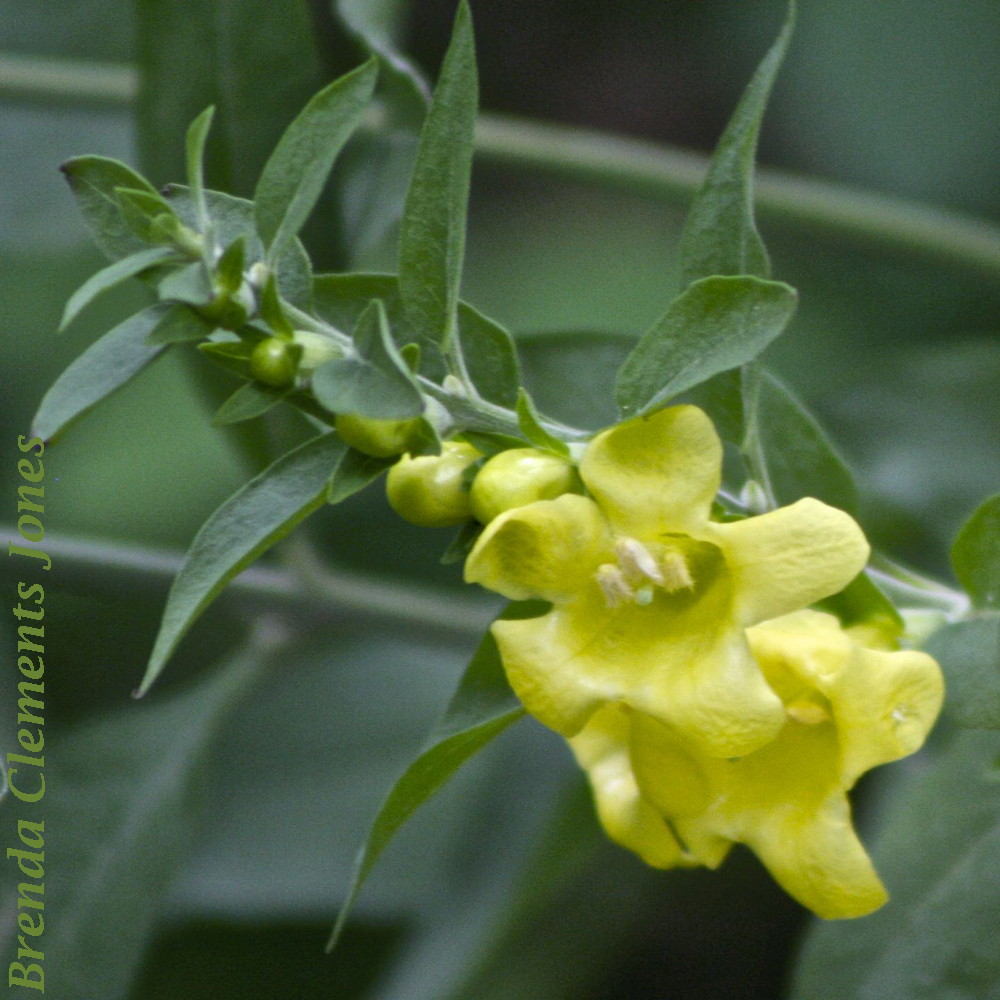
To some degree Smooth False Foxglove (Aureolaria laevigata) is a parasite, depending a bit on its host plant, the mighty Oak Tree. It can be referred to as a partial plant parasite, a semiparasite, or a hemiparasite. This means, it is not entirely dependent upon the roots of an Oak Tree for all its sustenance.…
-
Garden Design
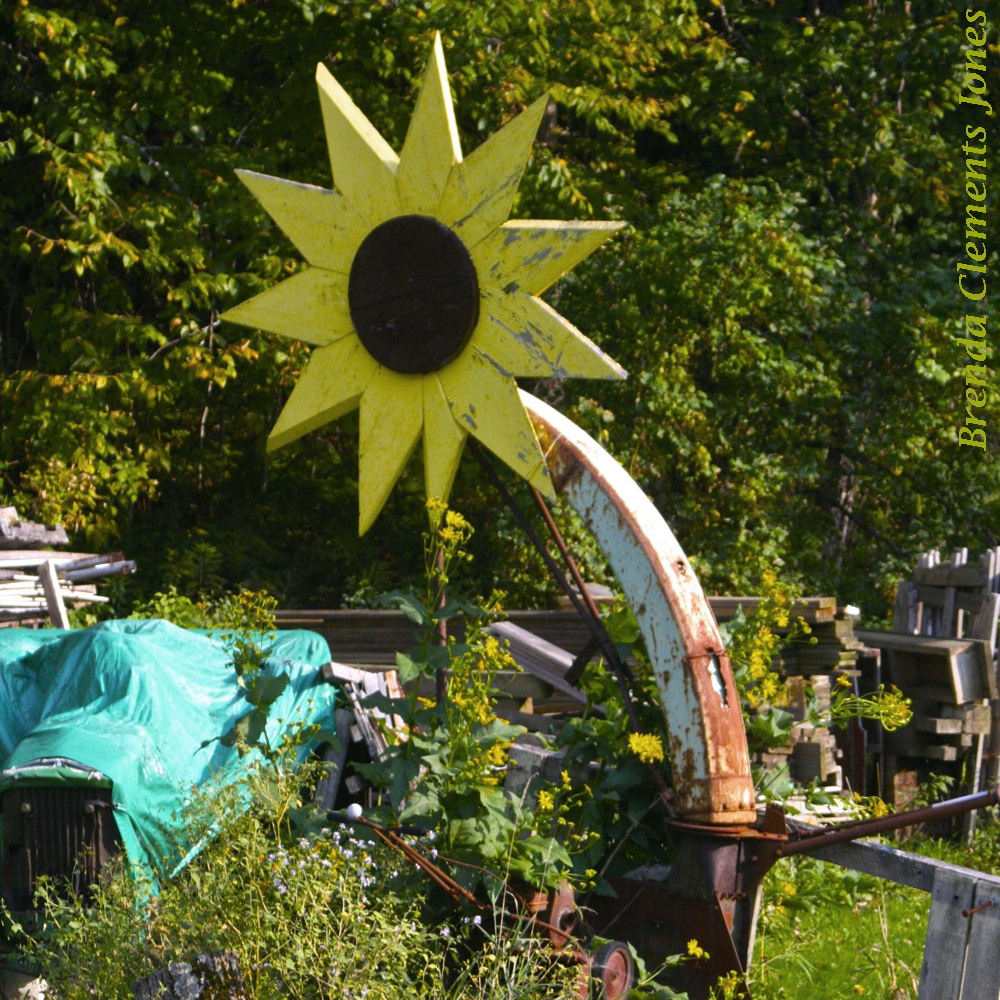
Got a little garden at your place? Use that space to express yourself. Don’t hold back. Let your inner artist come to the surface. This image is from a trip to New Hampshire and Vermont back in 2006. I LOVE to see creativity!
-
Yarrow Revisited
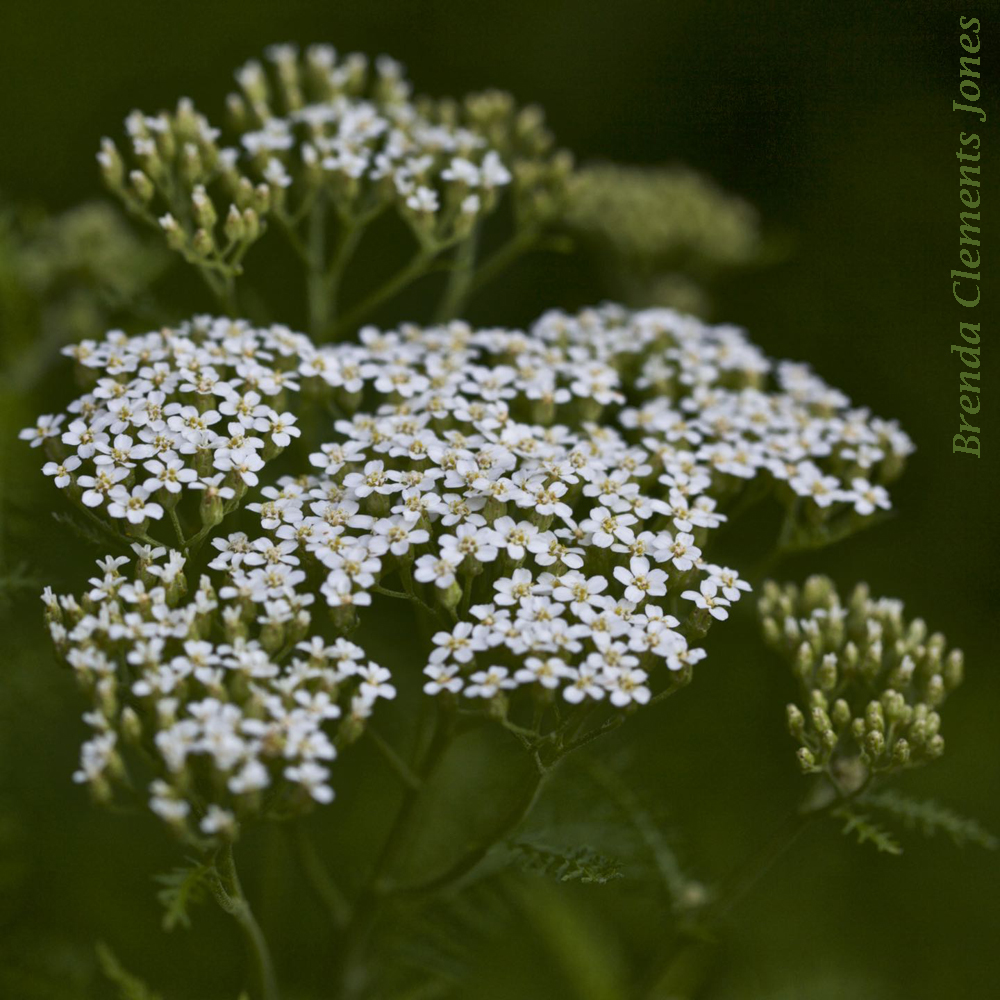
Yarrow (Achillea millefolium). I love native plants and when they show up as a volunteer in my gardens they are more than welcome! That’s the case with Yarrow, wandering aimlessly and finally settling here in a place that brings delight.
-
Katydids
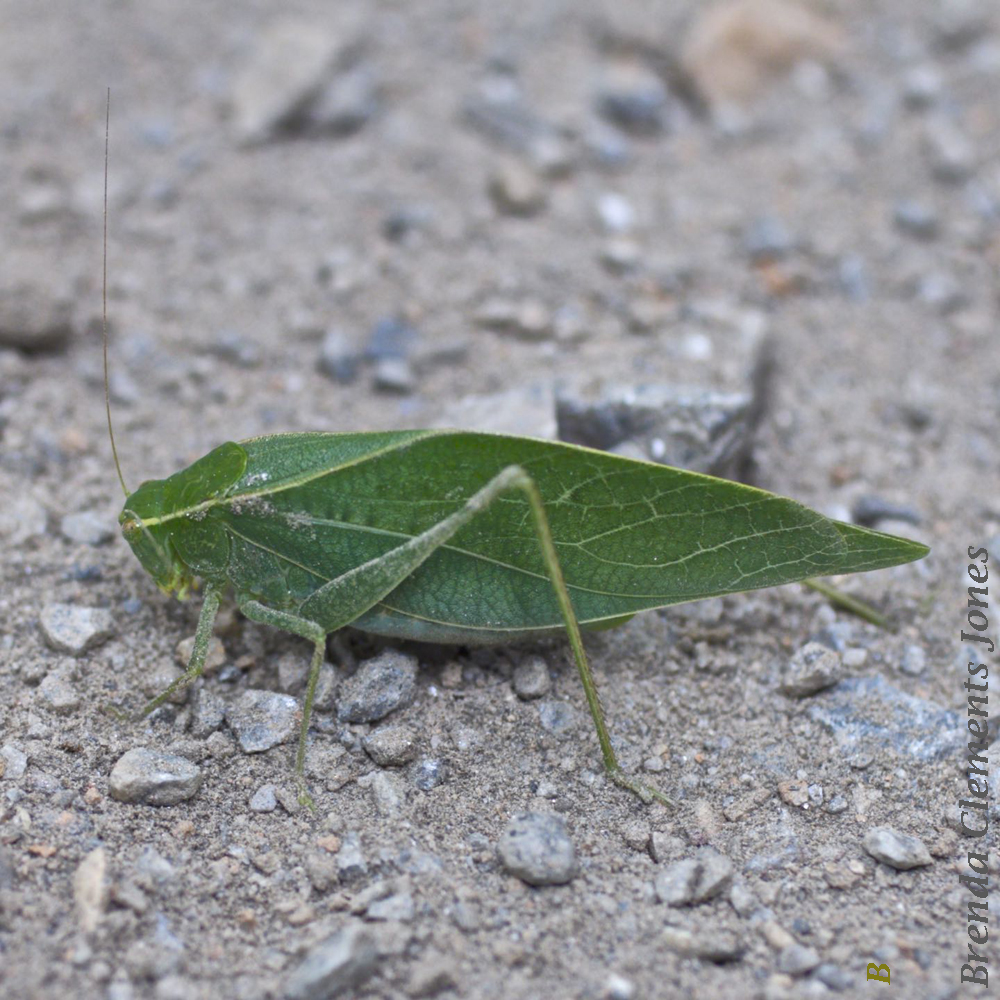
An August night. Open windows. Insects making lovely sounds in the inky darkness. A precious friend of mine told me that when her children were young they believed the night sounds of summer were the stars singing. Those sounds in the night in reality are Katydids (Tettigoniidae). Cool green insects. In North America there are…
-
Ironweed
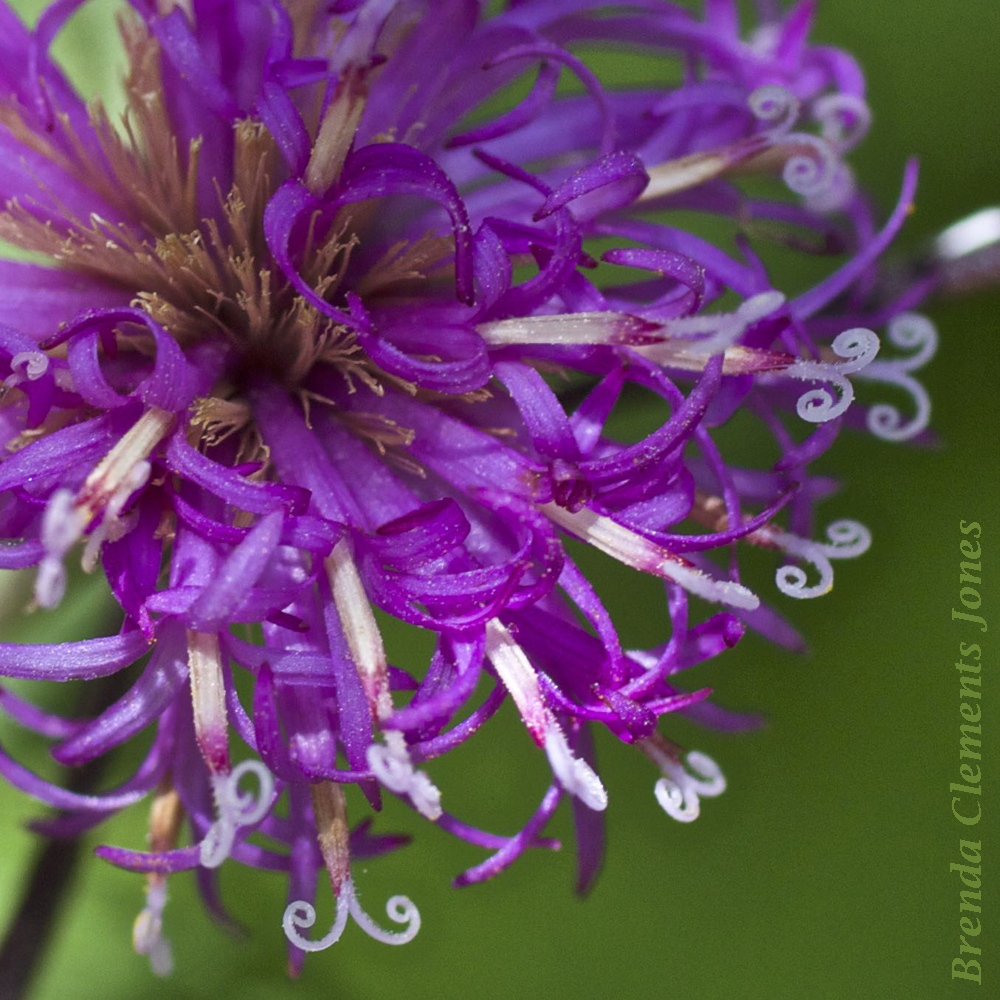
Got a spot in the woods? If you do, I hope you have this plant somewhere close by. An amazing color and a beautiful flower. Ironweed. Quite possibly New York Ironweed (Vernonia noveboracensis), but then again it might be Upland Ironweed (Vernonia glauca), or Tall Ironweed (Vernonia gigantea). These three species all reside in Virginia…
-
Nodding Onion
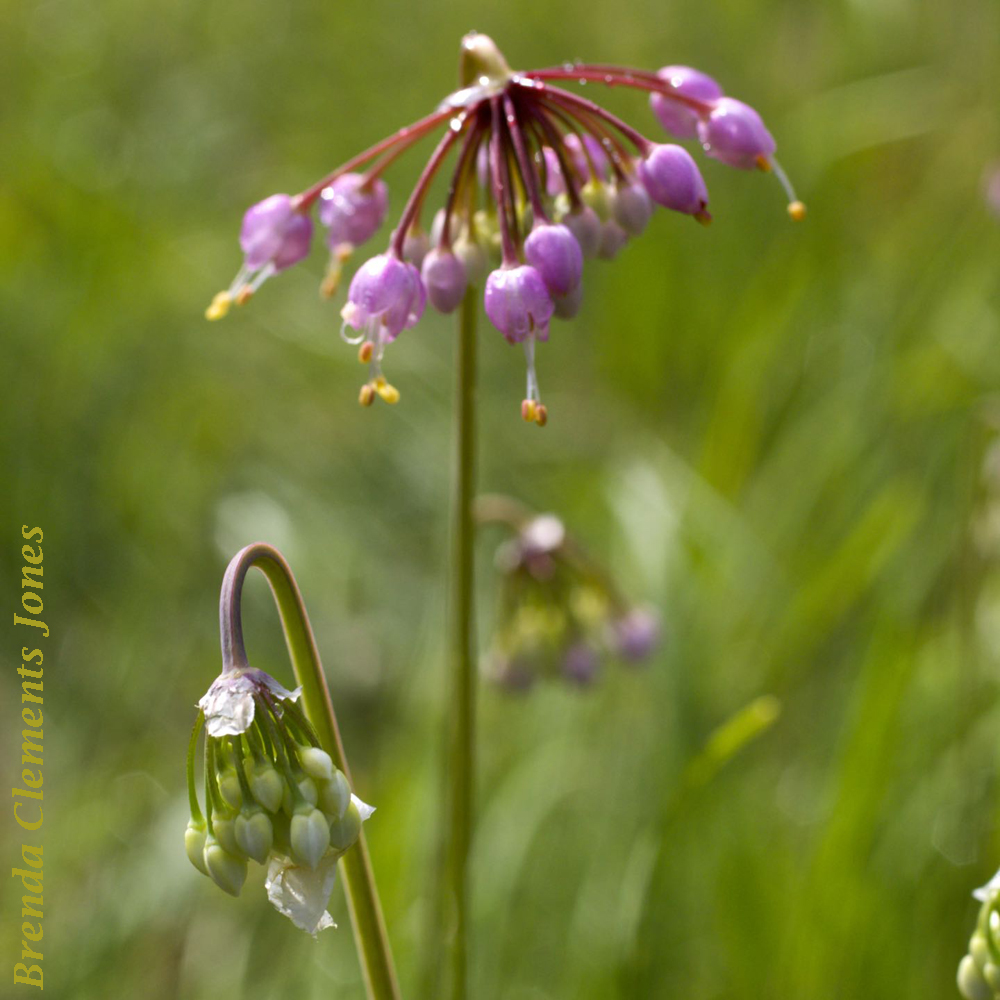
Nodding Onion (Allium cernuum) are abloom right now, surely to the delight of many fairies in the wood. Bees are attracted to the blossoms. But in facing down, the blooms discourage other pollinators which hesitate to hang upside down to feed on the nectar or pollen. Nodding Onion is native to North America. Though a…
-
Red-banded Hairstreak
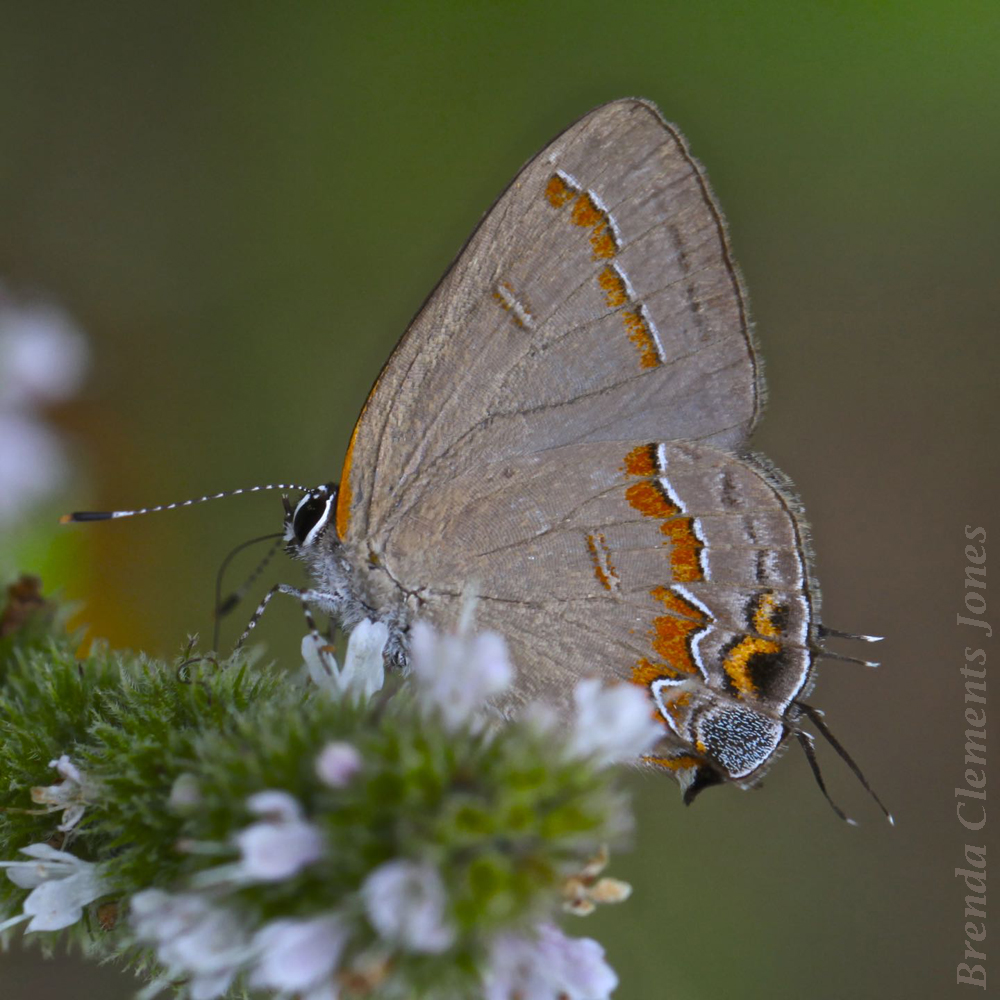
Red-banded Hairstreak (Calycopis cecrops) is native to the southeastern United States. As a caterpillar it has an unusual food source, the fallen leaves of Sumacs, Myrtles, some Oaks and other trees. A mighty teeny butterfly, its wingspan is 1 inch to 1.25 inches, though you’ll seldom see it with its wings open. As a butterfly,…
-
The Dewberry Experiment
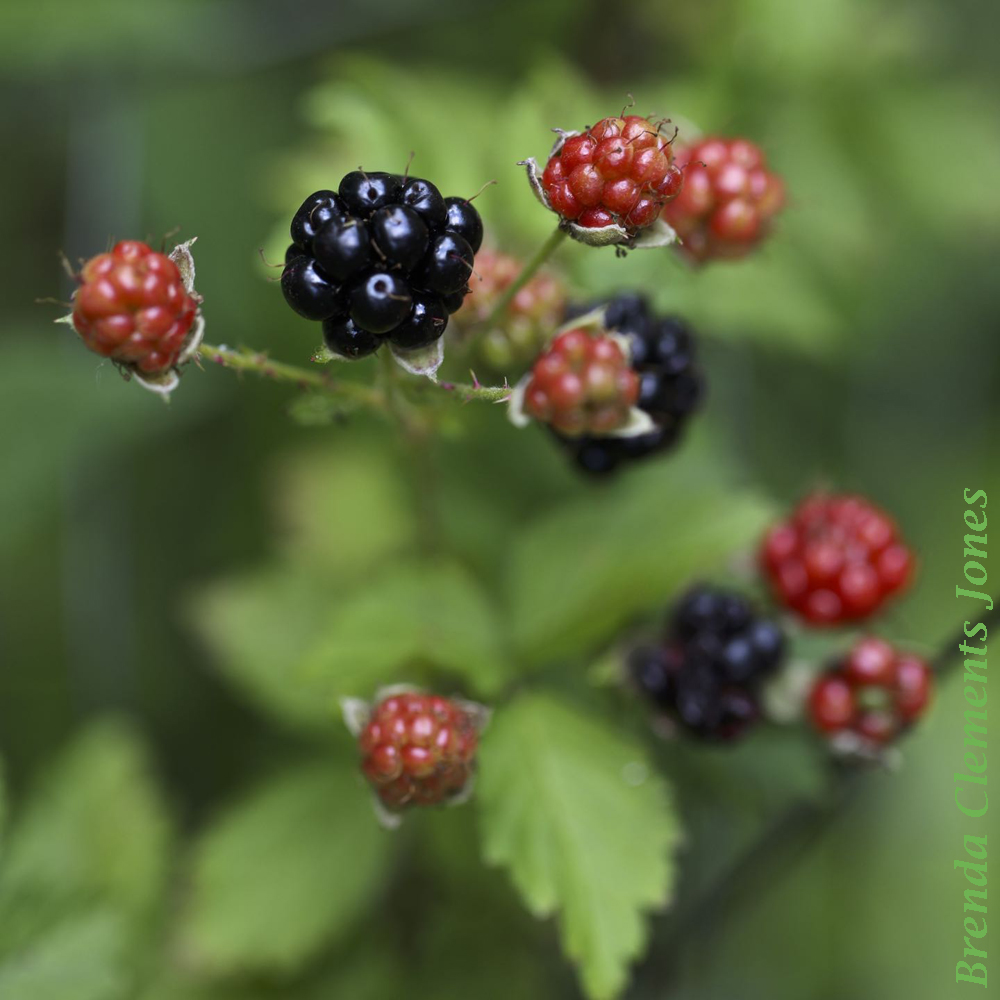
The Dewberry (Rubus invisus) plant is quite insistent. It wants to be where I don’t want it. Somehow it knows such things. But back in May of this year I decided to give it a chance. Give it a spot to demonstrate what its benefits are. This plant loves rocky soil and enjoys shade, even…