-
Gregarious Cedar Waxwings
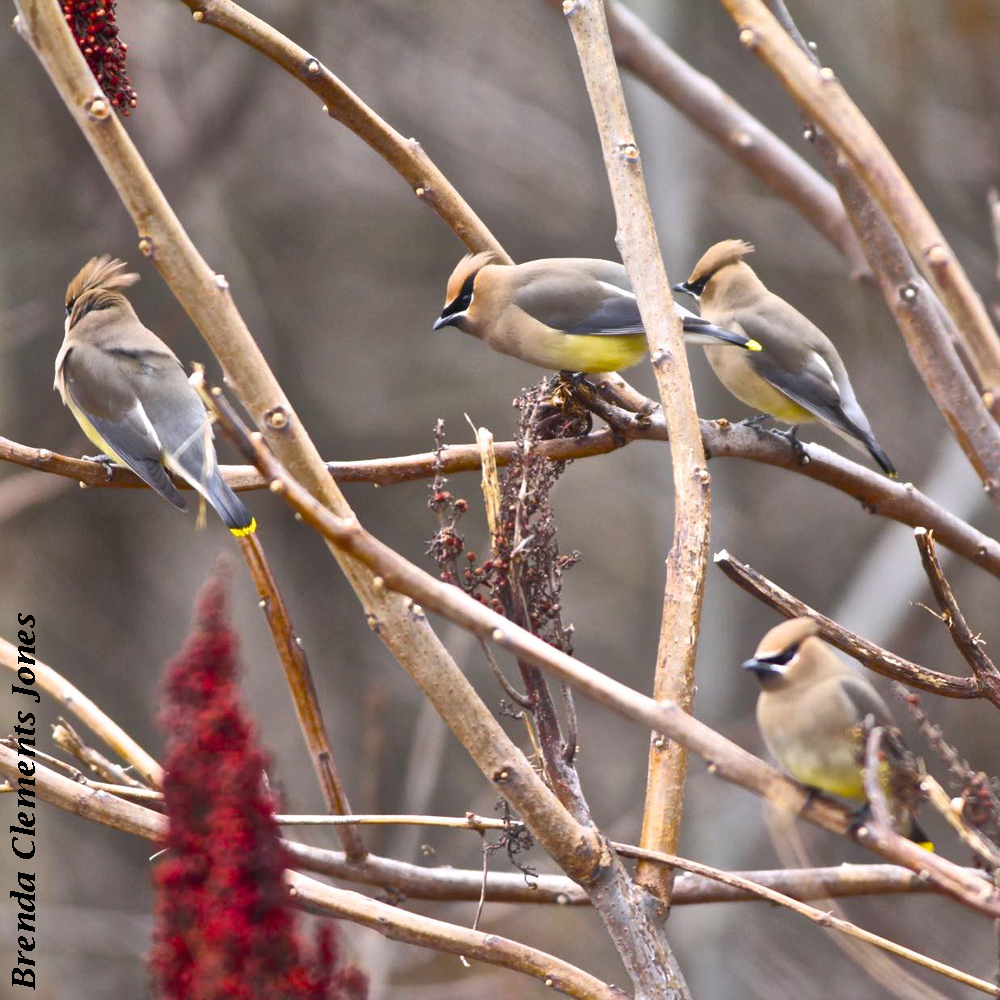
Gregarious birds. Cedar Waxwings (Bombycilla cedrorum). In a group they’re called an “ear-ful” or a “museum” of Waxwings. They move together, often with American Robins (Turdus migratorius), from one area to another hunting down their favorite berries and fruits. Nomads roaming their range, showing up here and there wherever they can find a meal for…
-
Christmas Card in the Works
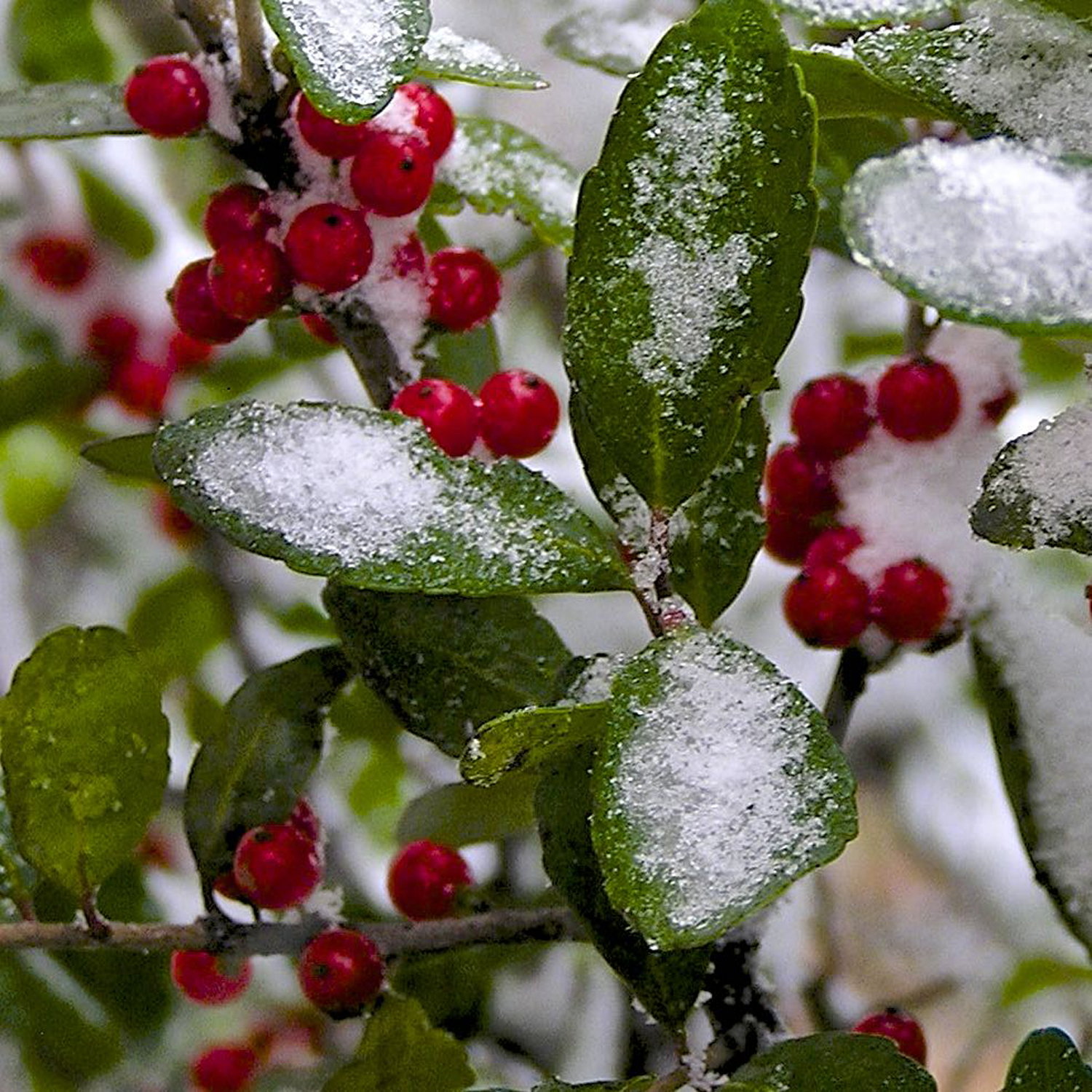
An annual tradition for many many years. Today I’ve chosen a photograph to use but its look will change as I add borders, surrounding the picture with images of fabric, or wrapping paper, or other visual textures that have tickled my fancy through the years. Choosing the photo is just the first of many steps…
-
Rose Hips in the Rain
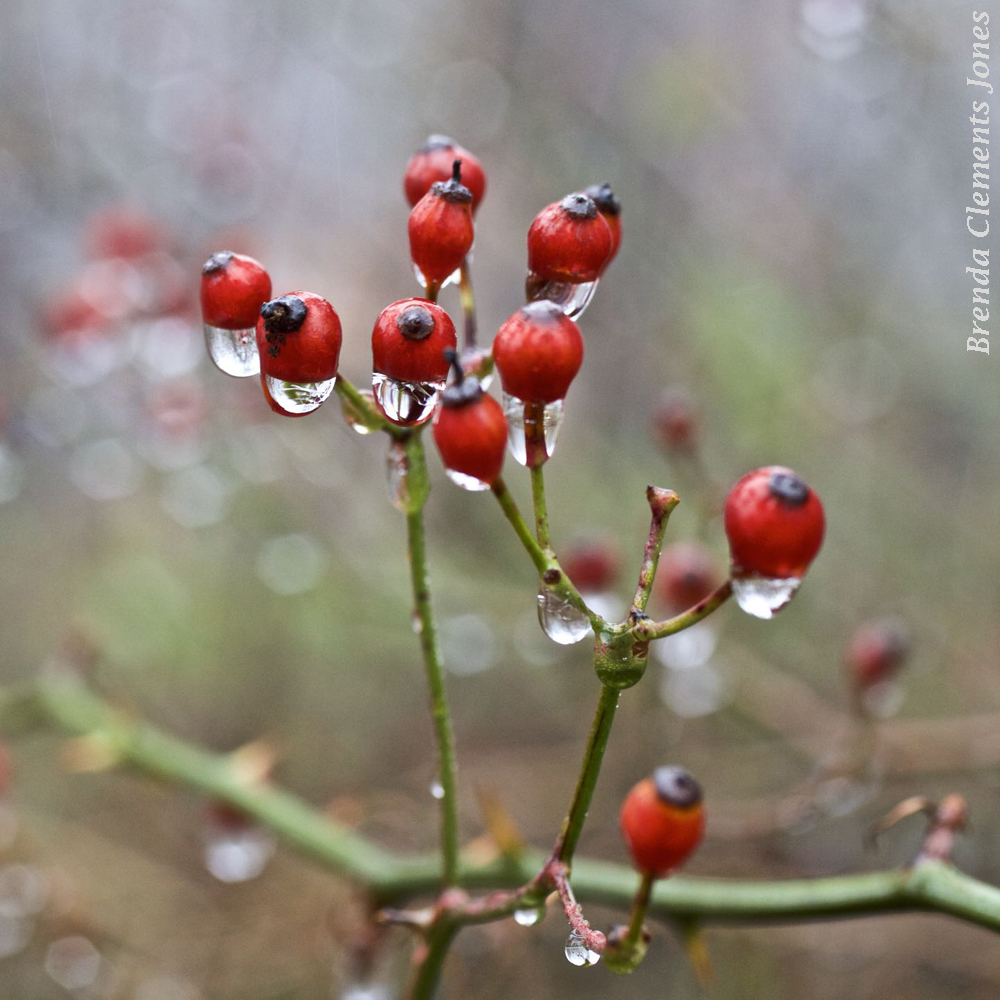
These are rose hips of Multiflora Rose (Rosa multiflora). An exotic invasive. Unwelcome but certainly looking lovely in the rain. The rain has stopped now, leaving much too little. Our last rain was eighteen days ago and much too little then as well. One of these days it will rain, lots of rain, and then…
-
Irruption of Red-breasted Nuthatches
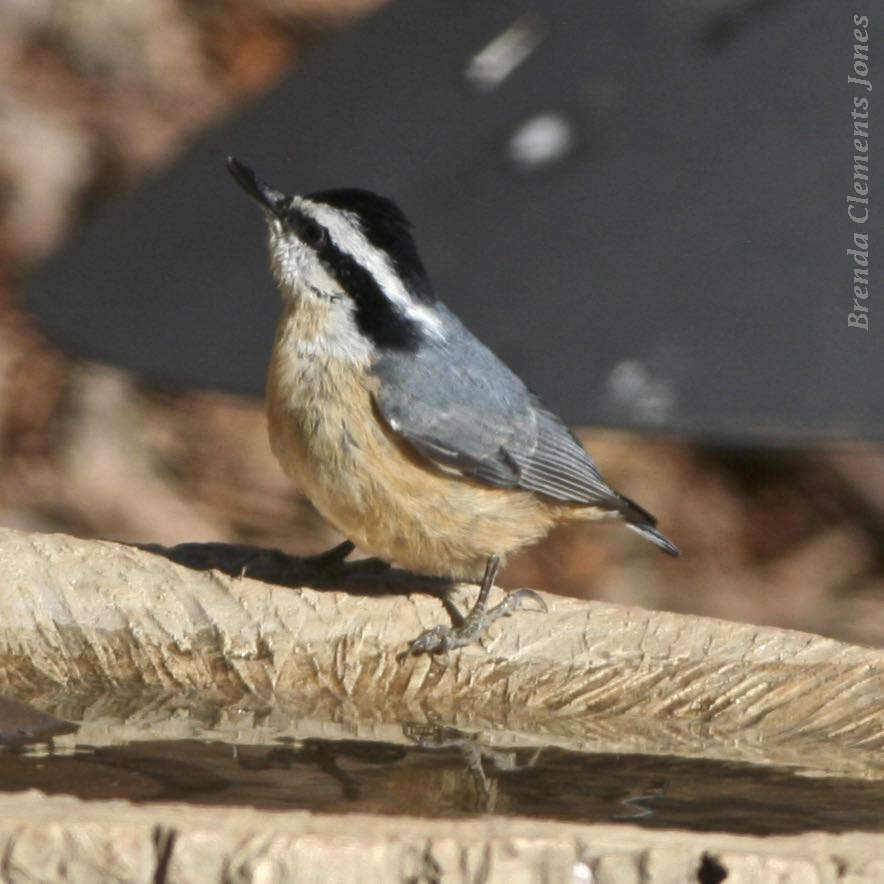
The term irruption when applied to birds is the sudden change in population density of a species of birds. Usually precipitated by lower than normal food supply. It’s this phenomenon that brings a precious tiny bird to my yard every few years. The Red-breasted Nuthatch (Sitta canadensis). I like to think of its call as…
-
Christmas Trees
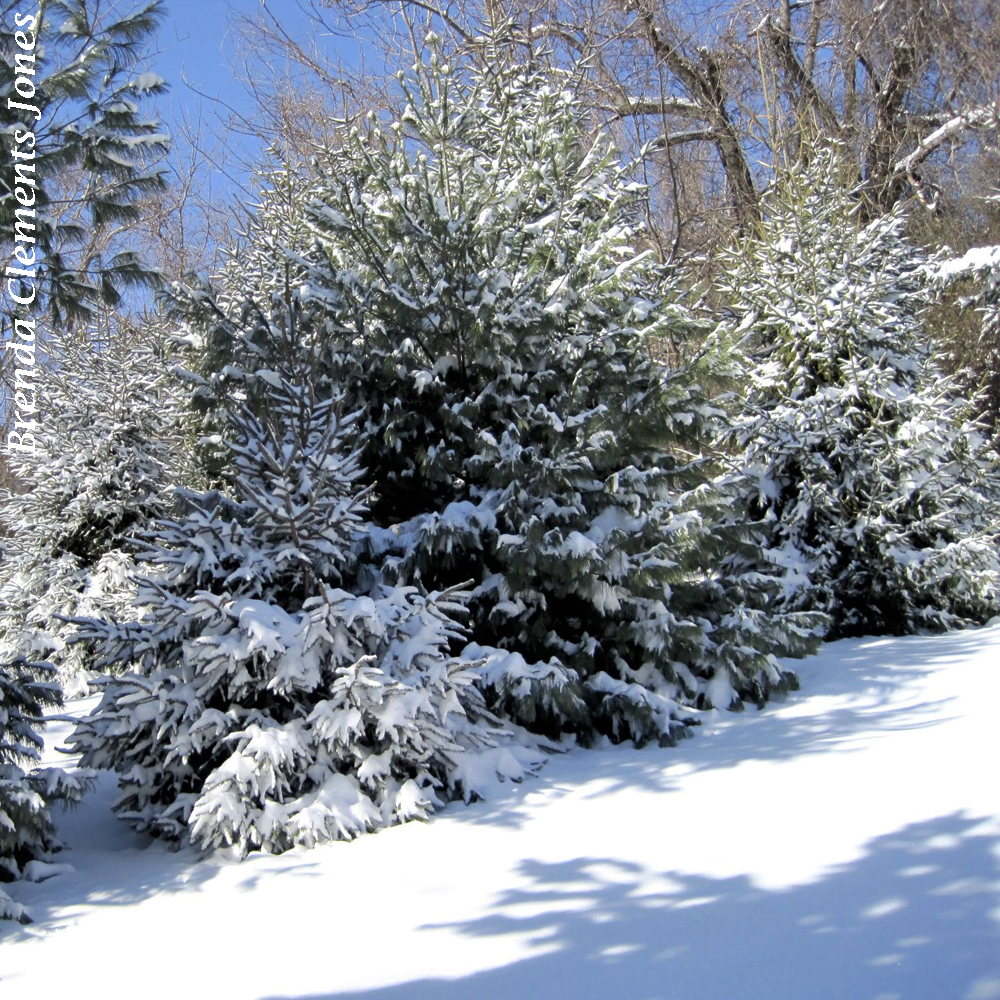
For more years than I can count we’ve grown Christmas trees in two large fields here, below the cabin. Trees that we’ve planted. Norway Spruce (Picea abies), White Pine (Pinus strobus), Scotch Pine (Pinus sylvestris), Concolor Fir (Abies concolor), and my absolute favorite Colorado Blue Spruce (Picea pungens). That Blue Spruce, needs care in handling,…
-
Winter Arrival of the Hermit Thrush
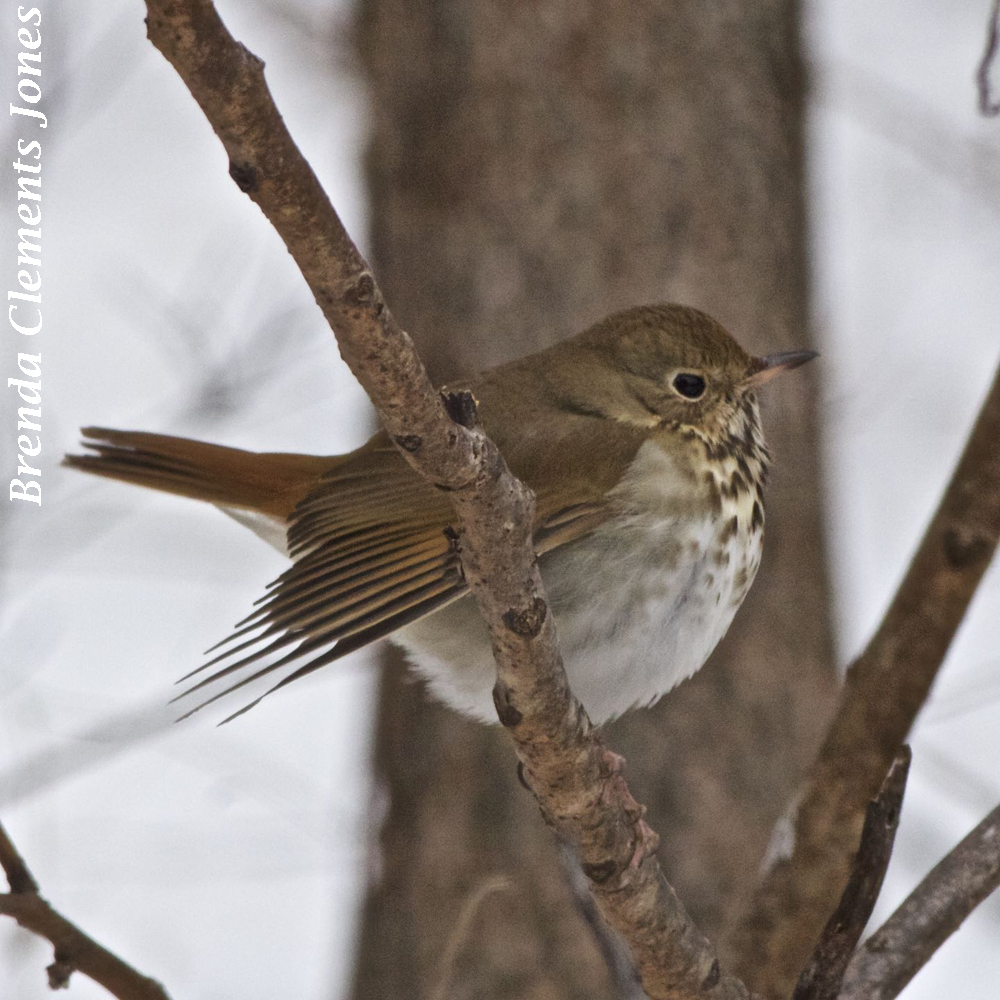
Seems every day I’m seeing another of my winter birds. This one, my treasured Hermit Thrush (Catharus guttatus). A medium sized bird with a magical, flutelike song which it doesn’t bring along on its winter visit. It saves those lovely notes for summer, choosing to blend in and not make too much of a noticeable…