-
European Hornet
Here in the mountains fermenting persimmons have drawn many butterflies as well as European Hornets, Vespa crabro. These large insects have been in North America since the 1800s. When I say “large” I mean 1.25” – LARGE. They dine on insects such as bees, flies, and grasshoppers. As summer begins to wind down and the…
-
Catbrier and Beautyberry
It has been so dry, but yesterday brought a glorious 1/4 inch of rain. Hallelujah! That rain brings a brief moment of relief to suffering vegetation. The rain also brings beauty to the landscape. I love what rain does to colors, deepens them, makes them more rich. But of course more rich! Those colors are decorated with…
-
Purple Deadnettle
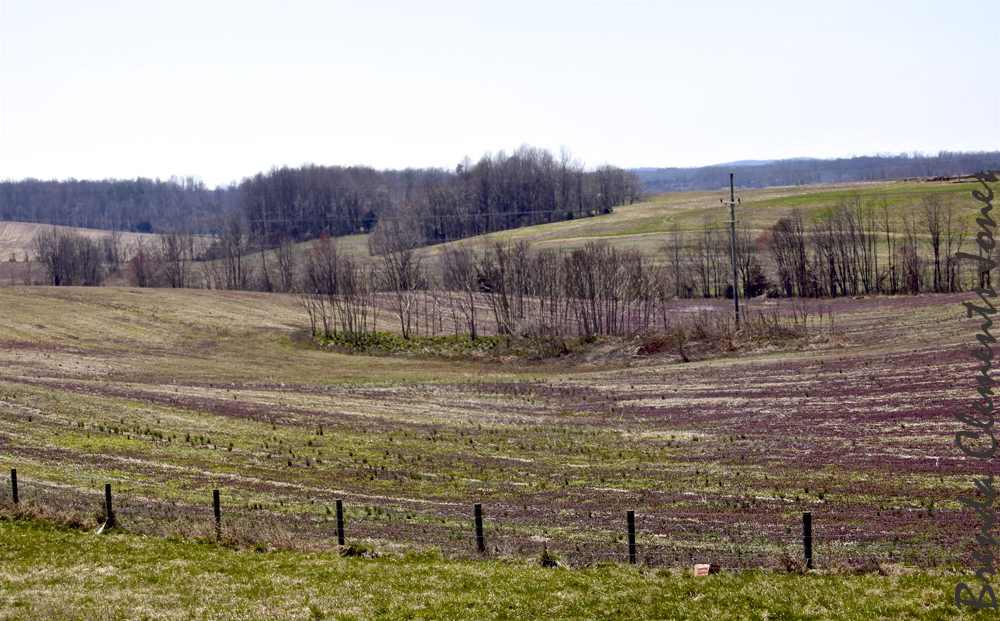
This morning finds me at the yoga studio early. Frost covering much of the world down here in the lowlands. I take the opportunity to capture the beautiful dusting on Purple Dead-nettle (Lamium purpureum). A photo from another day, you can see how it becomes a ground cover. Though a native to Europe and Asia…
-
Yellow-rumped Warbler
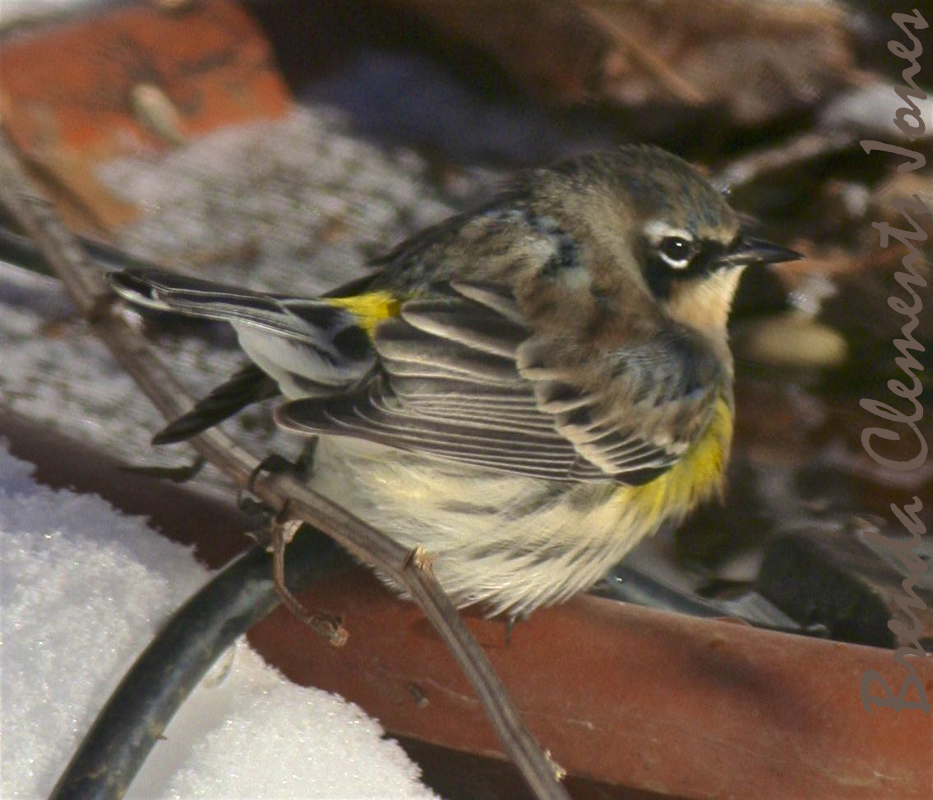
Yellow-rumped Warblers, Setophaga coronata, have to come to visit for the winter. They’re also affectionately referred to as Butter Butts. When insects are available, that’s their meal of choice but here, in the cold months, they will settle for goldenrod seeds, and the berries of juniper, poison ivy, poison oak, greenbrier, grapes, Virginia creeper and dogwood. Some people are able to entice them…
-
BIG Caterpillar
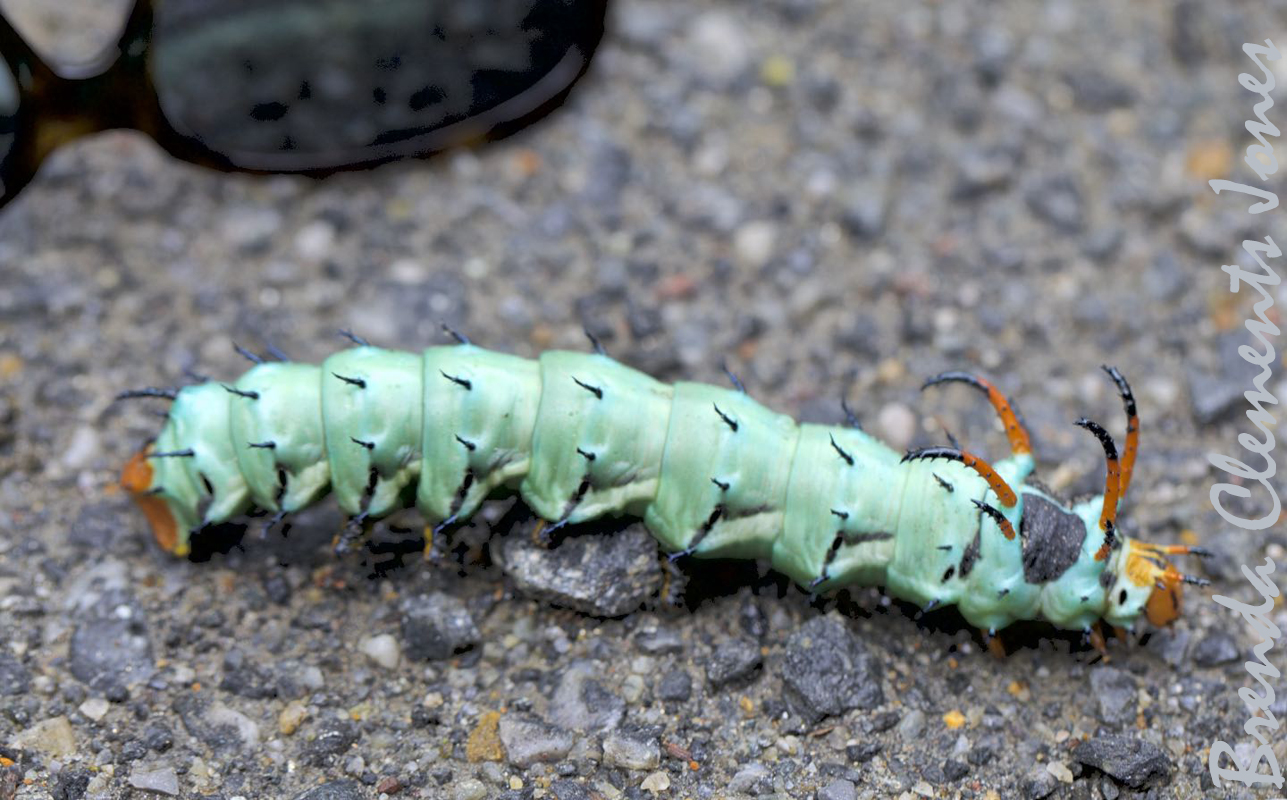
I am always on the alert for turtles in the road and if conditions allow, I’ll stop and help the critter, usually a box turtle, cross safely. A few days ago as I drove up my mountain, along the twisty, steep, gravel road, I spotted something. Certainly not a turtle, but something I don’t recall…
-
Queen Anne’s Lace
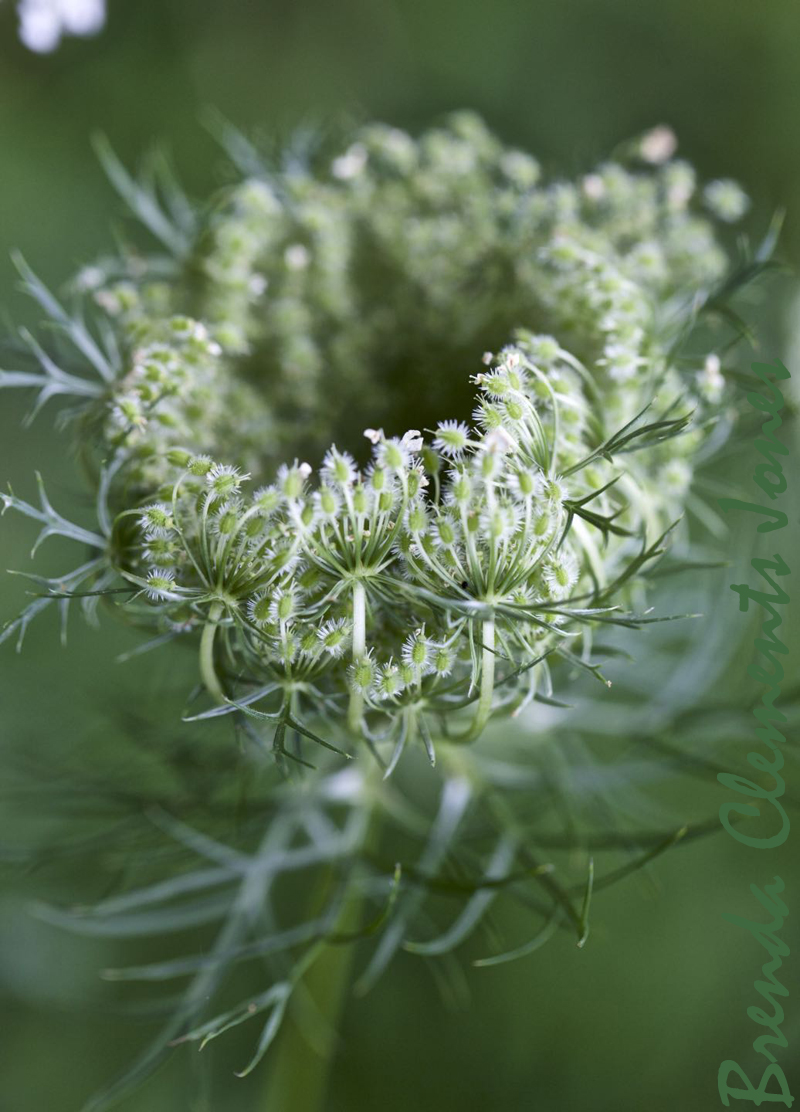
Have a cup’a Queen Anne’s Lace, Daucus carota. As the Queen Anne’s Lace flower ages and seeds develop the umbel curls up, creating a lovely cup, as I’ve caught in this image. Queen Anne’s Lace is not native to our continent, but to Europe and southwest Asia. It is said to have some beneficial use…
-
Northern Flicker
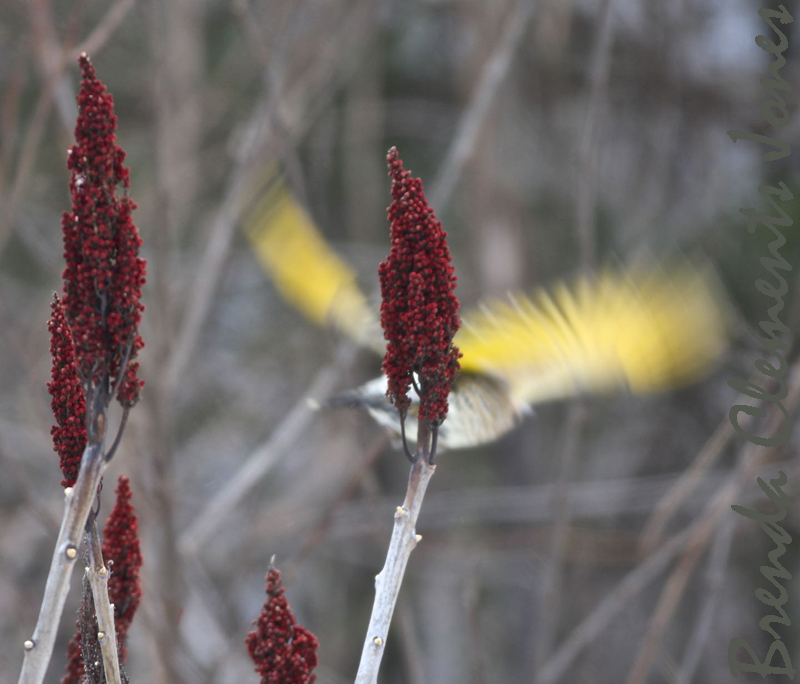
A patch of the native plant, Smooth Sumac, Rhus glabra. A wonderful magnet for birds during the late winter and early spring. Hard to decide which might be my favorite bird, but one that is right up there at the top, Northern Flicker, Colaptes auratus, is one of the birds that is attracted to the rich crimson berries. The…
-
Lightning Bug?
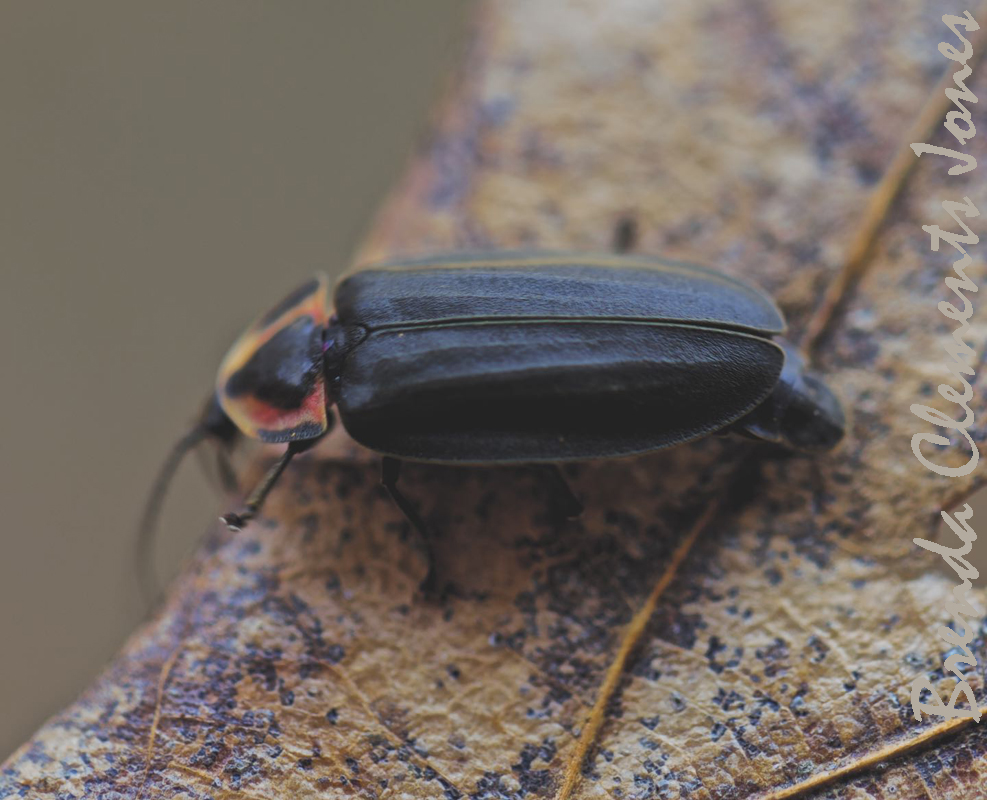
A little beetle crawling along a branch. He looks like something I would have caught and put into a jar when I was little – a Lightning Bug. But here he is roaming around, not on a hot, humid summer evening, but in WINTER. This doesn’t make sense. So much of Mother Nature’s world is…
-
Northern Pearly Eye
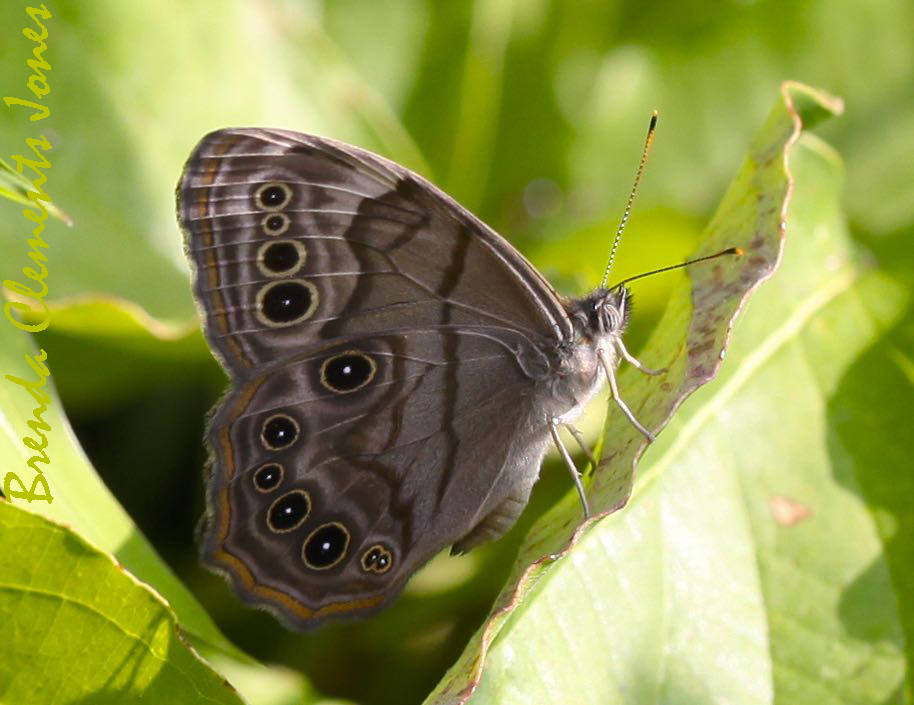
Rather than open meadows, which butterflies often prefer, the Northern Pearly Eye, Enodia anthedon, choses to flutter about in the woods, whether shady or with sun filtering through. Fluttering by, feeling the need to rest, he’ll land upside-down to view his world. His caterpillar hosts are various species of grasses, grasses which are happy living on the…
-
GOOD Mosquito?
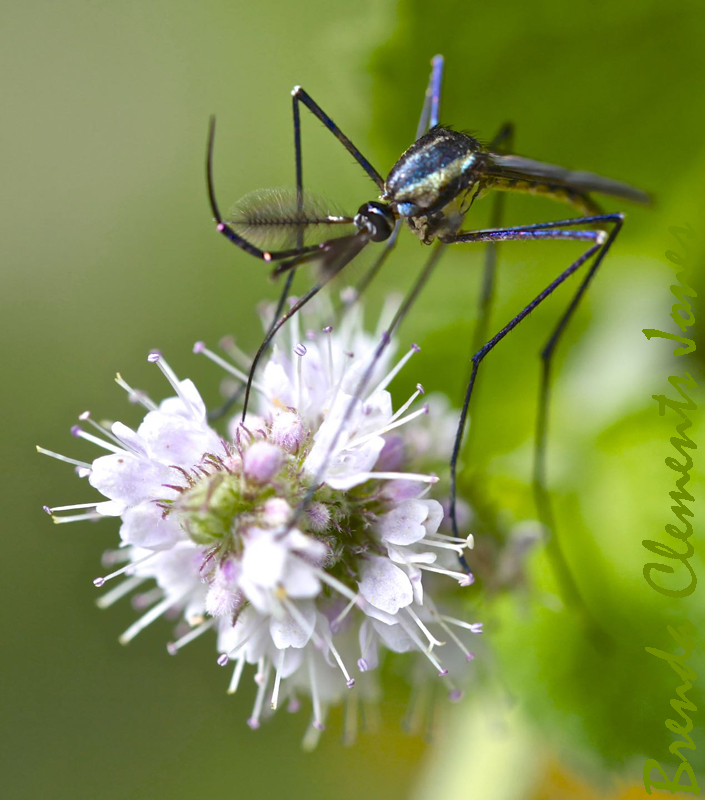
Legs covered in blue and purple sparkles with a gilded body, much larger than mosquitoes that we usually notice, the Elephant Mosquito, Toxorhynchites rutilus, is one mosquito that we should encourage. The largest mosquito in North America, from tip to tip (of its legs) this mosquito measures one inch, and the adult female has a wing span of…