-
Common Buckeye Revisited
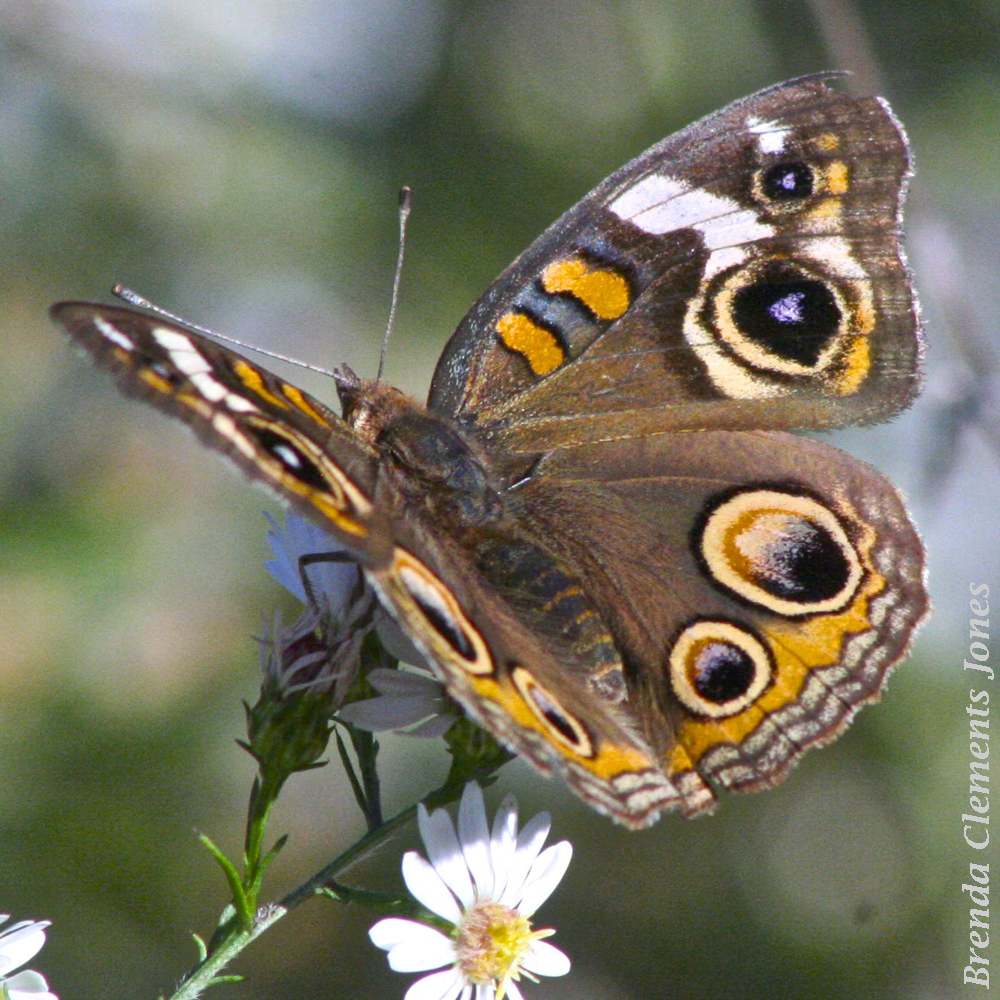
I’m looking forward to my Asters blooming. They are a big draw for an incredibly beautiful butterfly. The Common Buckeye (Junonia coenia). It’s when those Asters are blooming that I get to see the Common Buckeye. As an adult and butterfly they have a life of just six to twenty days. During those few days…
-
Red Berries of Spicebush
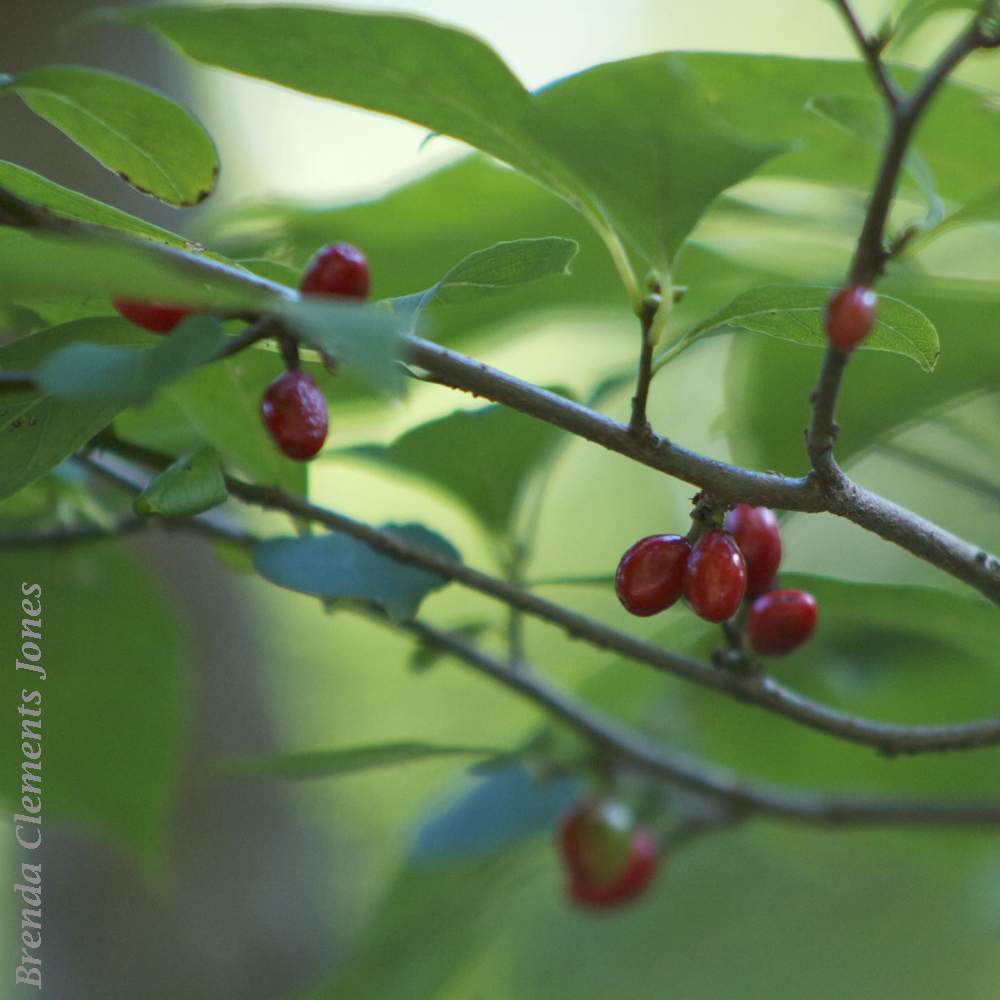
Spicebush (Lindera benzoin). In spring this bush of the eastern woods of North America create a wash of soft yellow with small but plentiful blooms. By autumn the blossoms have turned to brilliant red berries. Much to the delight of many birds, including two of my favorites, the Hermit Thrust, and the Red-eyed Vireo.
-
American Beautyberry
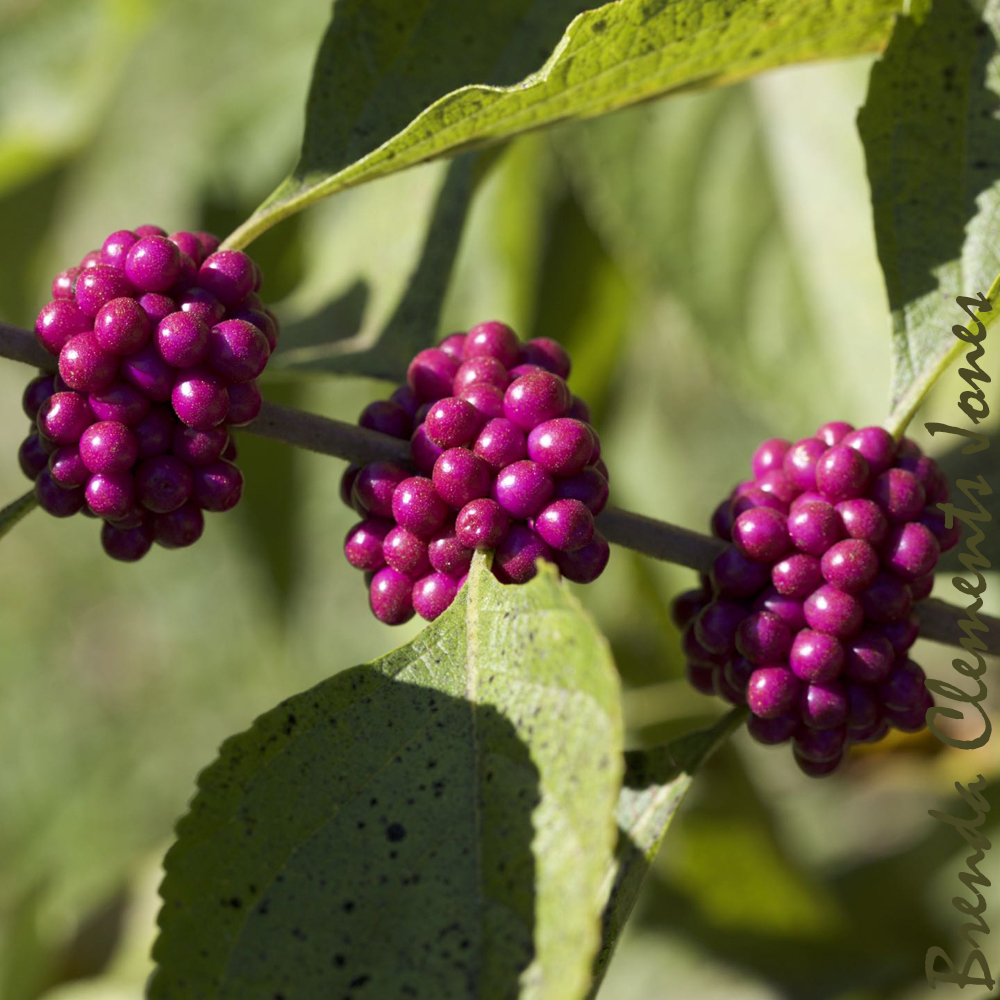
American Beautyberry (Callicarpa americana) is native to the southern United States including Maryland to Florida, west to Texas and Arkansas, also Mexico, Bermuda, the Bahamas and Cuba. The berries are ripe right now in Florida. They attract many species of birds including Cardinals, Mockingbirds, Finches, Woodpeckers and many more. Don’t be fooled though. Pay attention…
-
Sachem
Sachem (Atalopedes campestris). A small grass skipper butterfly with a wingspan of just 1.25 to 1.5 inches. Skippers (Hesperiidae) are a family of butterflies that have the characteristics of both butterflies and moths. Host plants of Sachem caterpillars are many grasses such as Bermuda Grass, Hairy Crabgrass, Red Fescue, St. Augustine Grass, Indian Goosegrass and…
-
Hummers Heading South
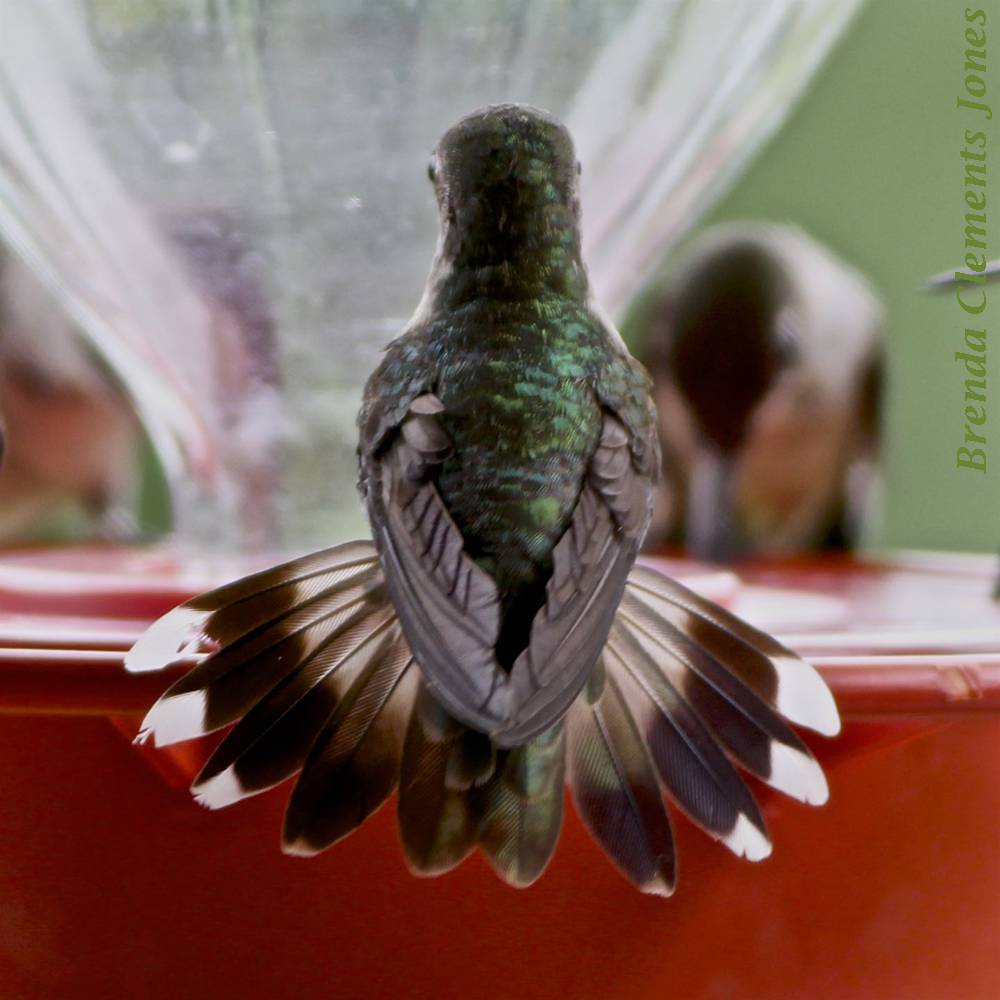
Within the past two weeks the population of Ruby-throated Hummingbirds (Archilochus colubris) here at my feeders, has dropped considerably. I had been putting out two quarts of syrup each day. Now I put out one cup each day. Big drop. They’re packing their bags. Heading south. Migrating for the winter to Central America and Mexico.…
-
Juniper Hairstreak Revisited
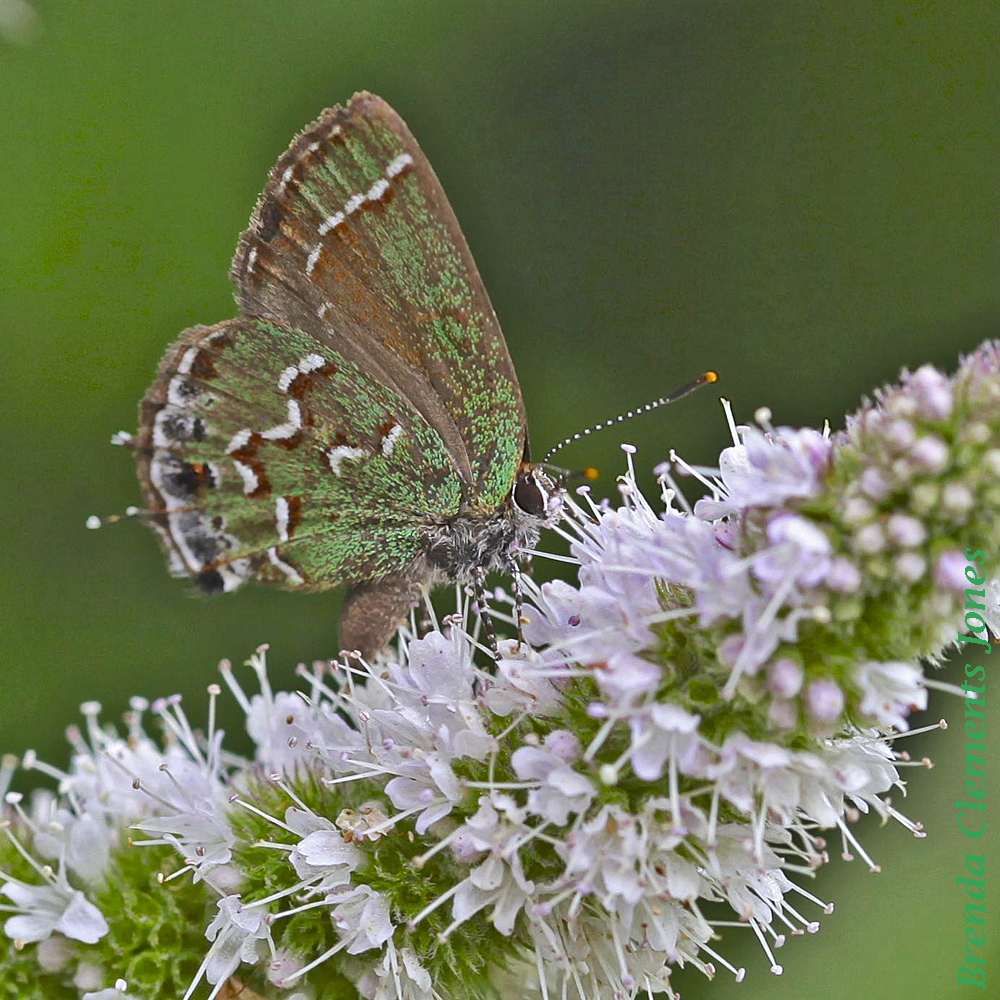
Juniper Hairstreak (Callophrys gryneus) is native to most of North America. Once thought to be two separate species, residents of eastern North America and western North America are now considered to be just one species. As butterflies, adult Juniper Hairstreaks seek the nectar of many flowers such as Queen Anne’s Lace, Winter Cress, Common Milkweed,…
-
The PawPaw Patch
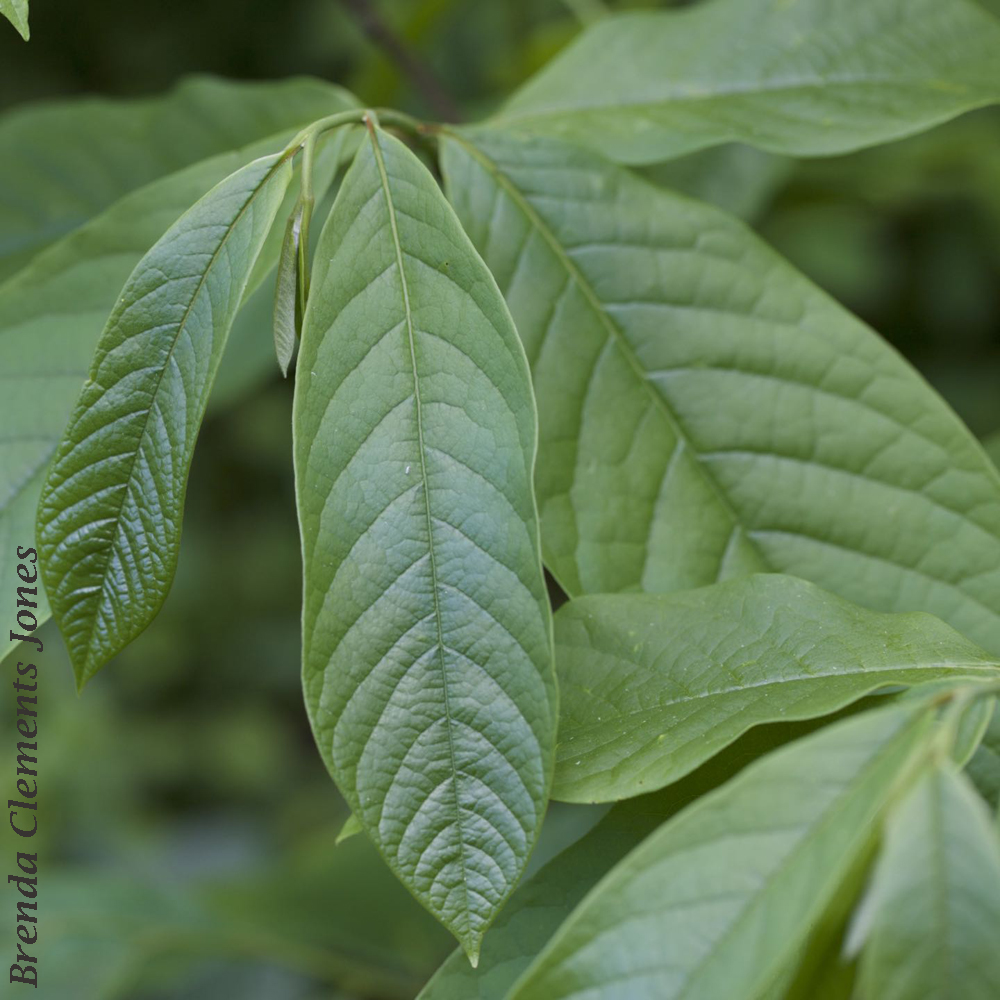
PawPaw (Asimina triloba). An understory small tree or large bush. Native to eastern North America. There are patches of them here and there up here in the mountains. And for a few years I had three or four individual PawPaw trees growing in my yard. Ones that I had planted. I was thoroughly enjoying them.…