-
Skinks
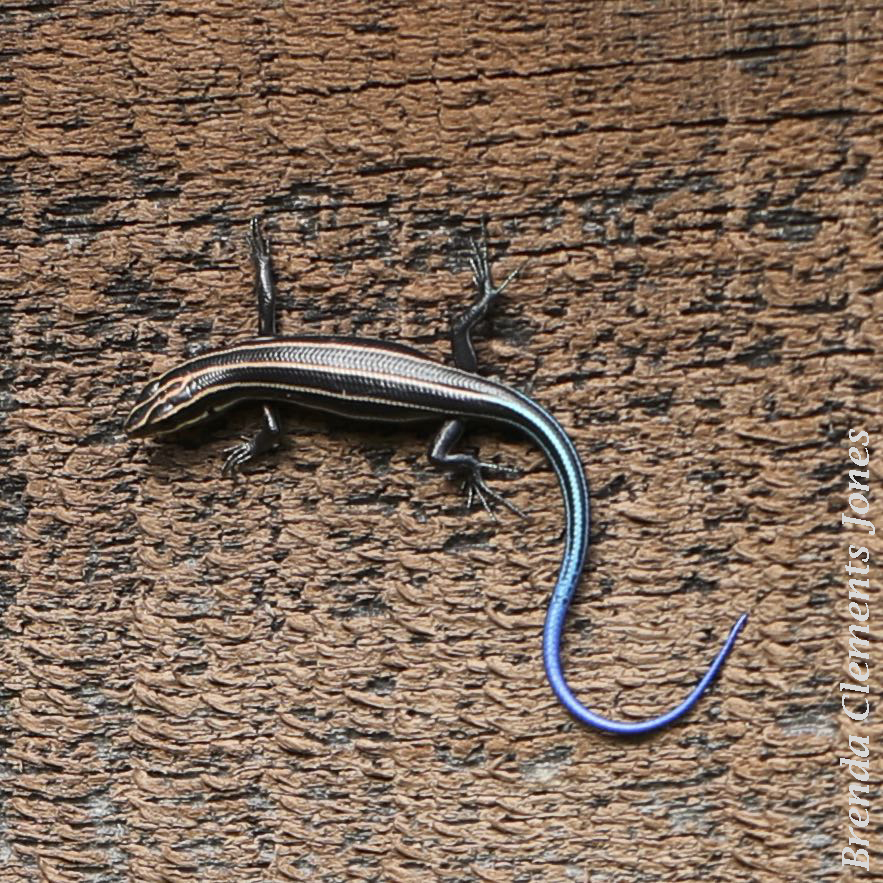
Juvenile Skinks enjoy scampering up and down the cedar siding, and running back and forth across the porches of my cabin as they look for their next meal. It’s like having my own personal pest control company on duty! They eat insects, spiders and other invertebrates. As youngsters, my Skinks sport a cool looking shiny…
-
Northern Pearly-eye Joins the Chat
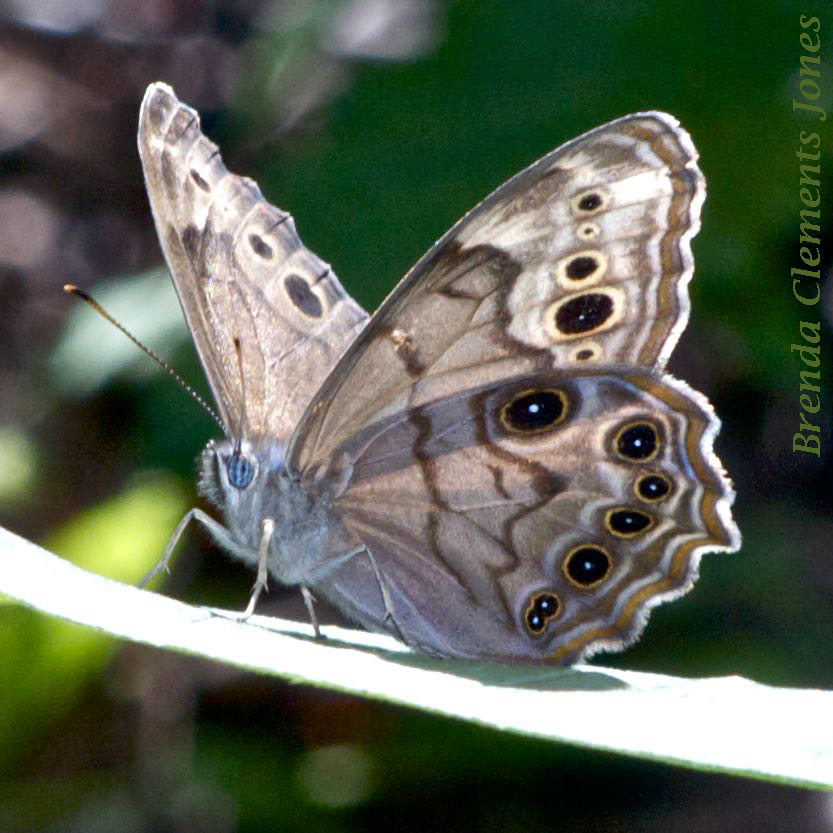
A couple days ago as I stood outside the yoga studio chatting with my dear teacher Kumud, a Northern Pearly-eye (Enodia anthedon) came by to join in the conversation, landing on me. I must keep in mind what it had to say. So profound. This friendly creature, this butterfly, has a wingspan of two inches.…
-
White and Red Dogwood Berries
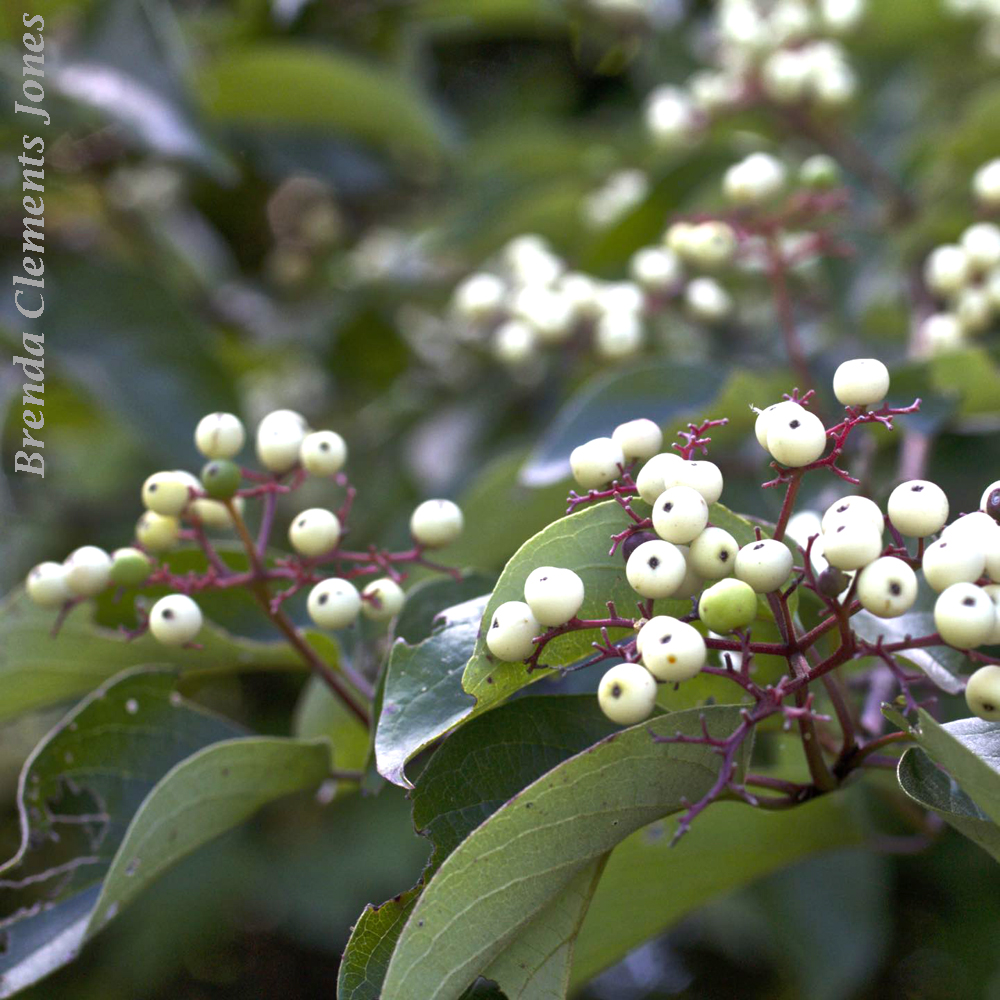
Autumn is approaching. The leaves of some Flowering Dogwoods are getting richer, more and more red. Their crimson berries, or drupes, are in abundance. This is the species of Dogwood that most people think of when “Dogwood” is mentioned. Flowering Dogwood (Cornus florida) and Gray Dogwood (Cornus racemosa). Two different Dogwood species. One of seventeen…
-
Pipevine Swallowtail
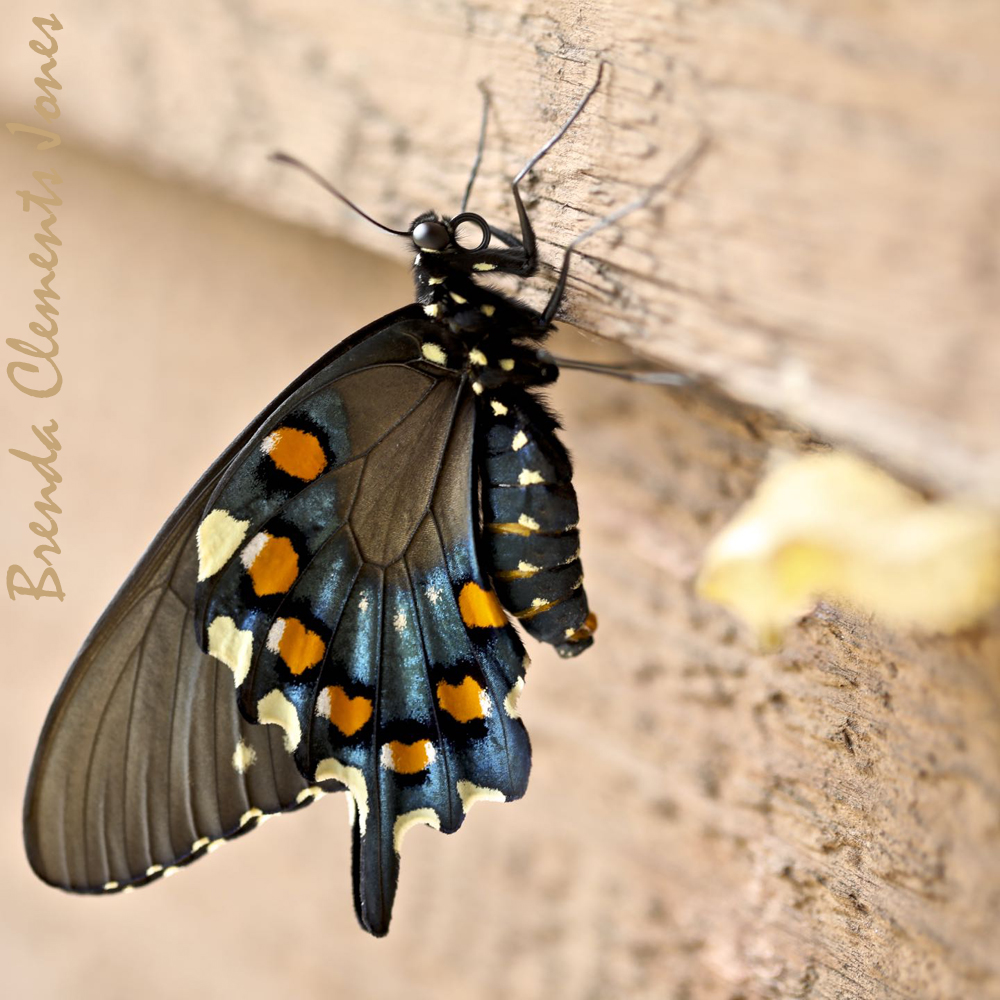
Brand new! This Pipevine Swallowtail (Battus philenor) has just emerged from its chrysalis. A couple years ago I decided that if I wanted to see Pipevine Swallowtails, I should get a plant that would engage them. Their host plants are in the genus Aristolochia. One of them, Woolly Dutchman’s Pipe (Aristolochia tomentosa) filled the bill since…
-
Hosta
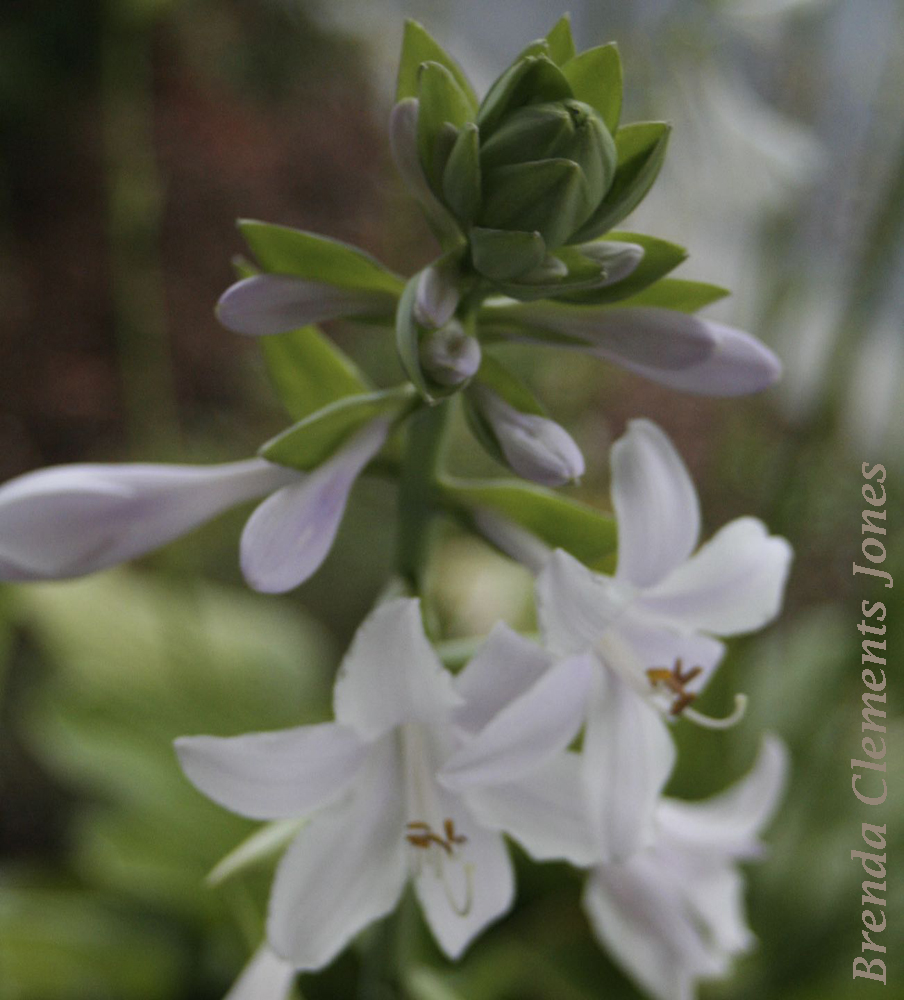
Hosta (Hosta) can be a beautiful addition to your garden if you don’t have it already. Hostas are herbaceous perennial plants that are native to China, Japan, Korea and the Russian Far East. They produce attractive clumps of leaves each summer which are topped with blooms that are either white or lavender. But a word…
-
Hickory Tussock Moth Caterpillar
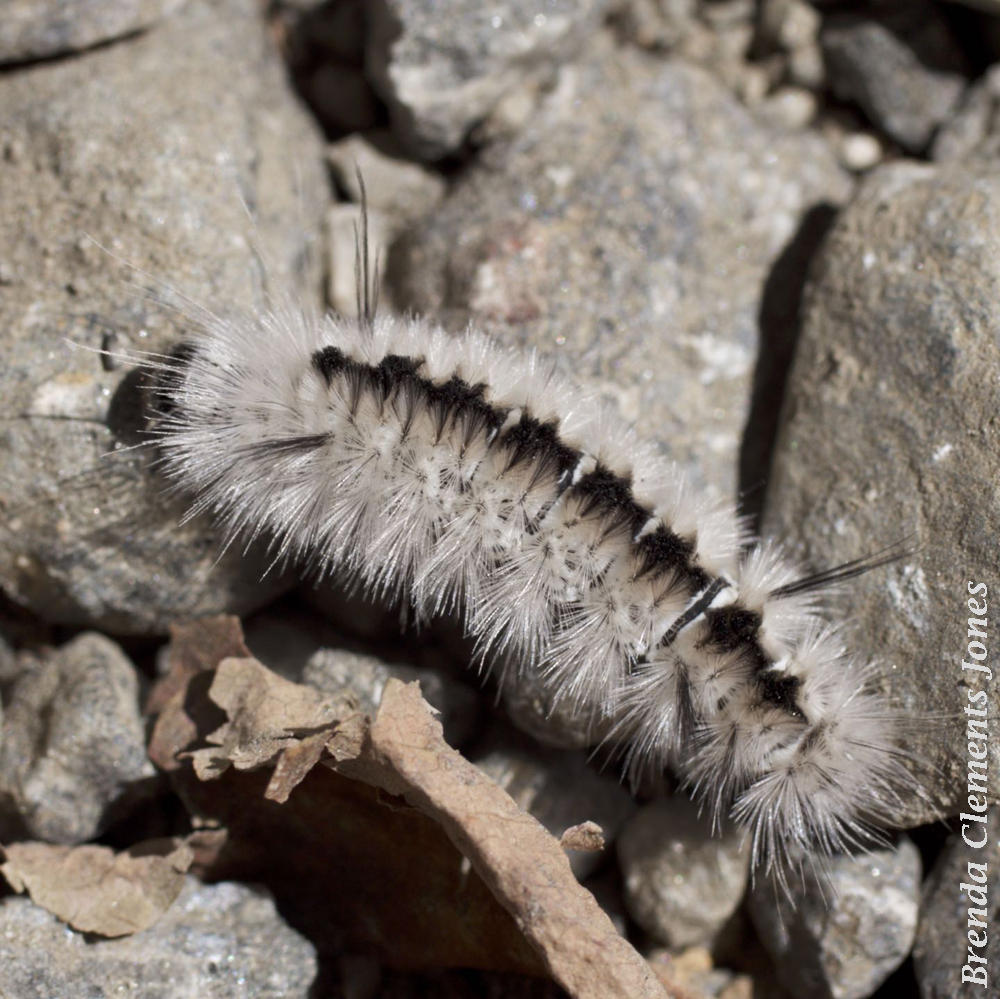
Hickory Tussock Moths (Lophocampa caryae) are native to northeastern North America down to North Carolina and a few even wander to Texas and down into Mexico. These photos are their larvae, their caterpillars. Hickory Tussock Moths have just one generation per year. Eggs are laid in clusters of 100 or beyond, on the undersides of…
-
Yoga Tree
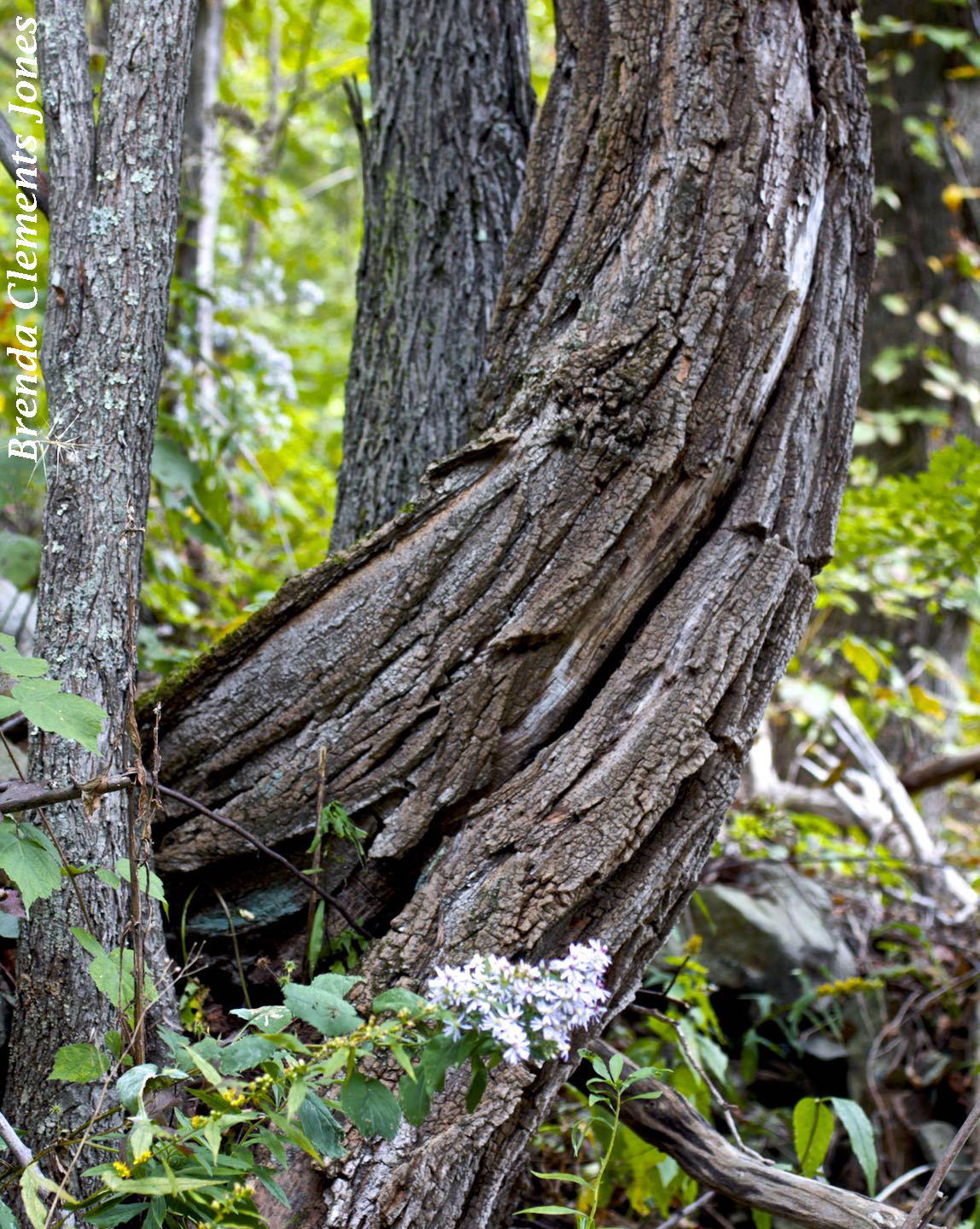
Twisting and stretching. In a sensuous way. Accented by Goldenrods (Solidago), Asters (Aster) and even some beautiful Blue-green Wood Stain Mushrooms, (Chlorociboria aeruginascens), in the dark cavity at the base of the tree. You can read more about Blue-green Wood Stain Mushrooms in my blog post: brendaclem.com/turquoise-mushrooms!/.