-
Chicken of the Woods
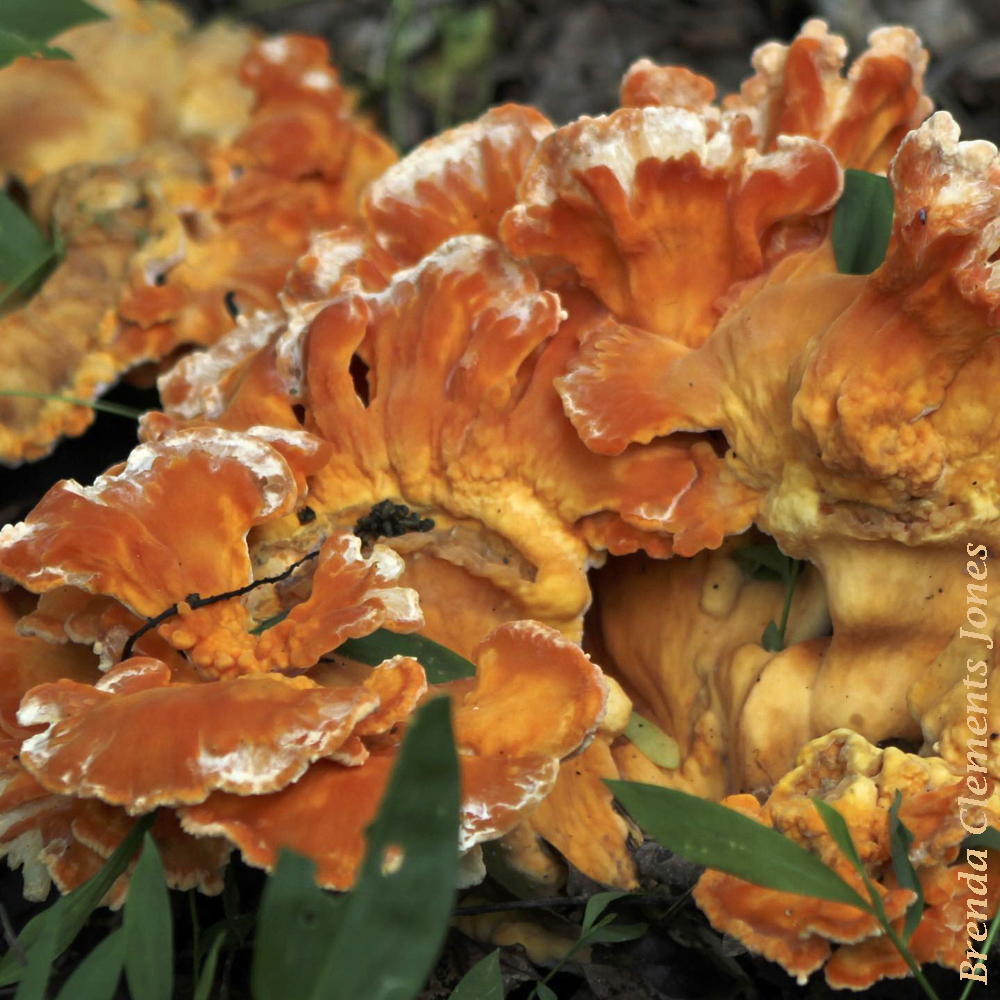
Chicken of the Woods (Laetiporus sulphureus). A species of bracket fungus found in Europe, North America east of the Rocky Mountains, and parts of Asia. Primarily found on oak, but also cherry, beech, chestnut and sometimes on conifers. These trees found with Chicken of the Woods growing on them are often dead or dying but…
-
Ruby-crowned Kinglet
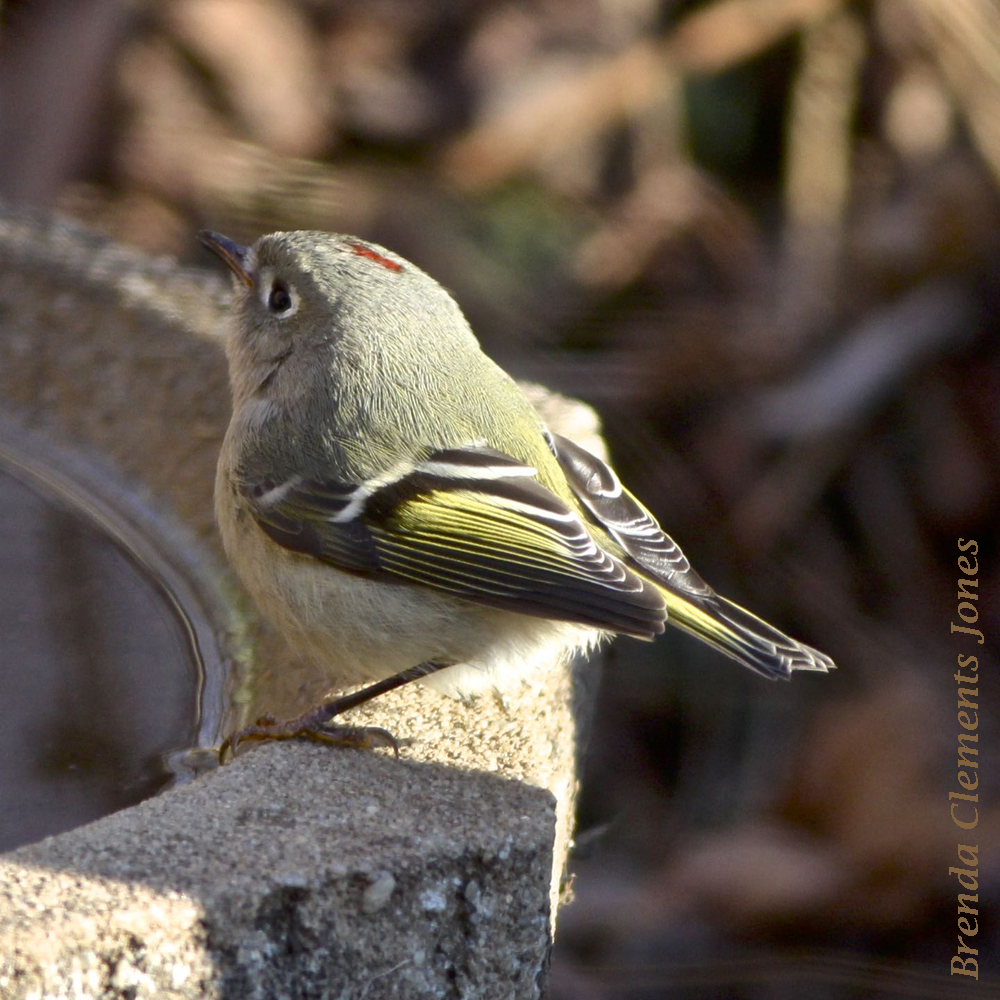
Ruby-crowned Kinglet (Regulus calendula). They spend their summer in far northern North America and the western mountains. Winters are spent in the southern and southwestern United States and Mexico. Some mountain populations in the West relocate to lower elevations during the wintertime. And now they’re here on my mountain. I’ve seen one or two the…
-
A Coral Mushroom
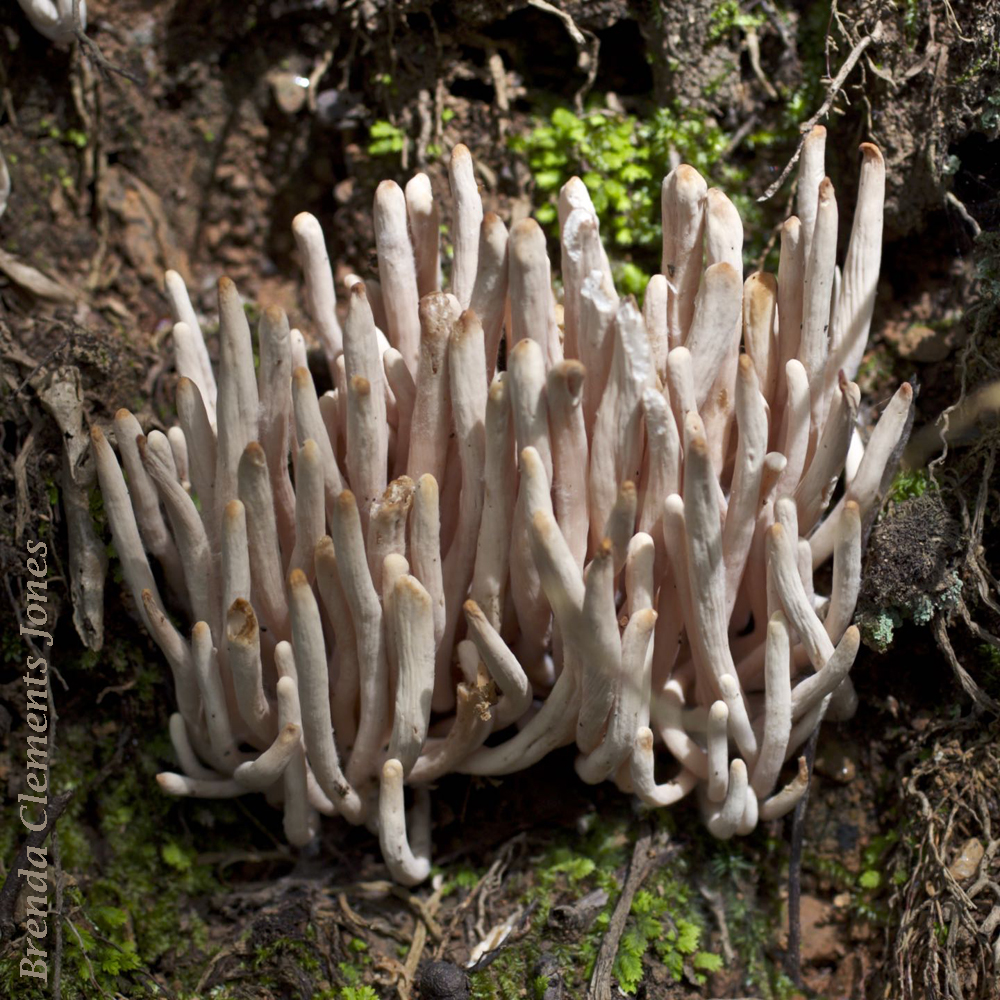
A Coral Mushroom. Perhaps a Smoky Worm Coral (Clavaria fumosa/rubicundula). Captured in pixels because as I hike through the woods I go slowly. Very slowly. The more slowly I proceed, the more I see. The more discoveries I make. Not discoveries that will shake the scientific world but discoveries that will bring great jubilation to…
-
Little Wood Satyr
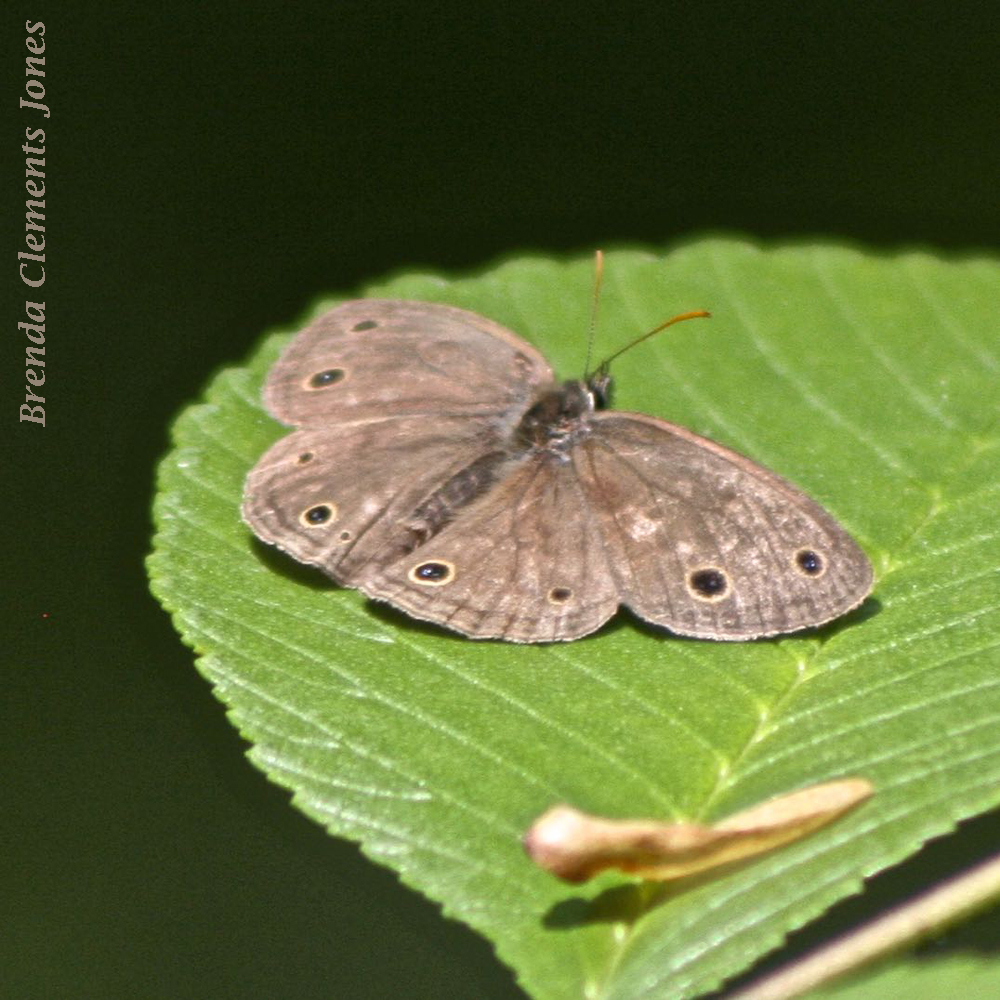
Little Wood Satyr (Megisto cymela). Not brightly colored. Not large. But this is not a moth but it is a butterfly. Its wingspan is 1.5 to 1.875 inches. They often perch with wings wide open on the leaves of trees or in leaf litter. Larval host plants are sundry grasses such as Kentucky Bluegrass, Orchard…
-
Scarecrow and Goldfinch
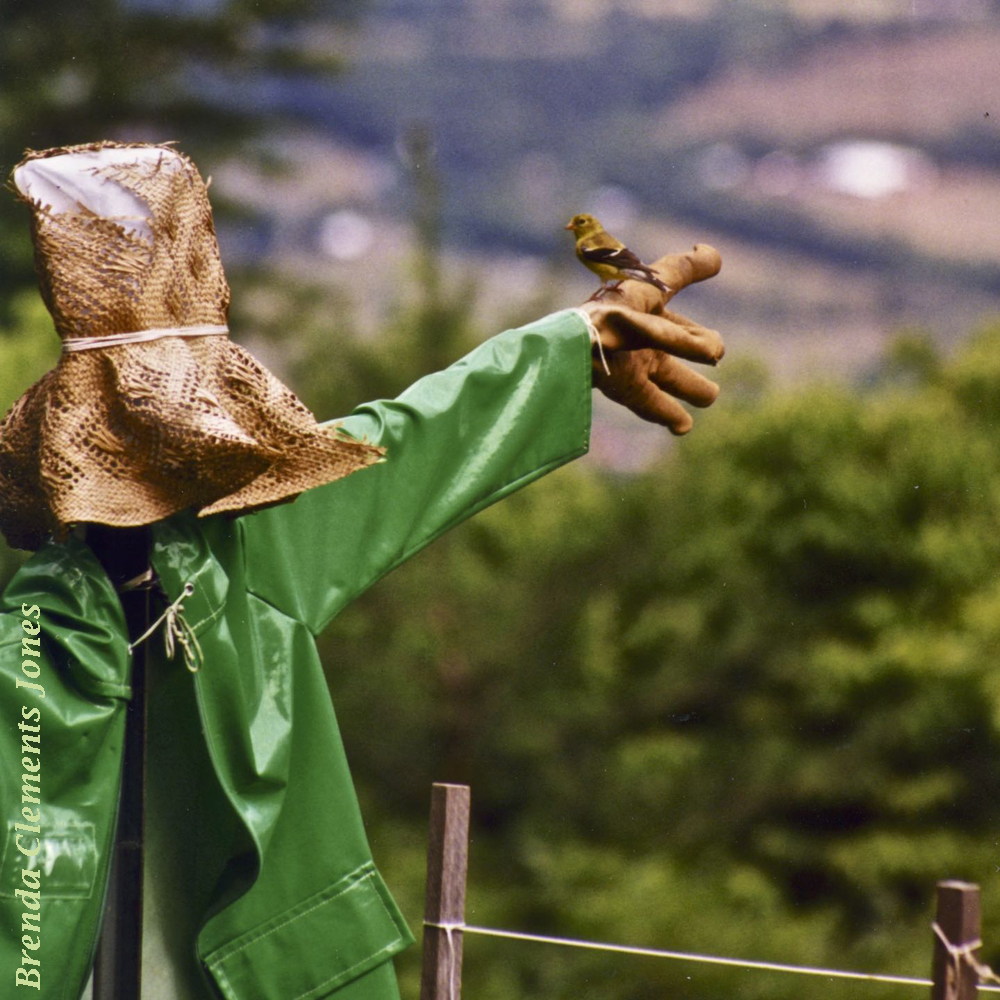
As they look upon their world, Scarecrow and Goldfinch in serious discussion. Ruminations of Ray Bolger.
-
Silverrod Revisited
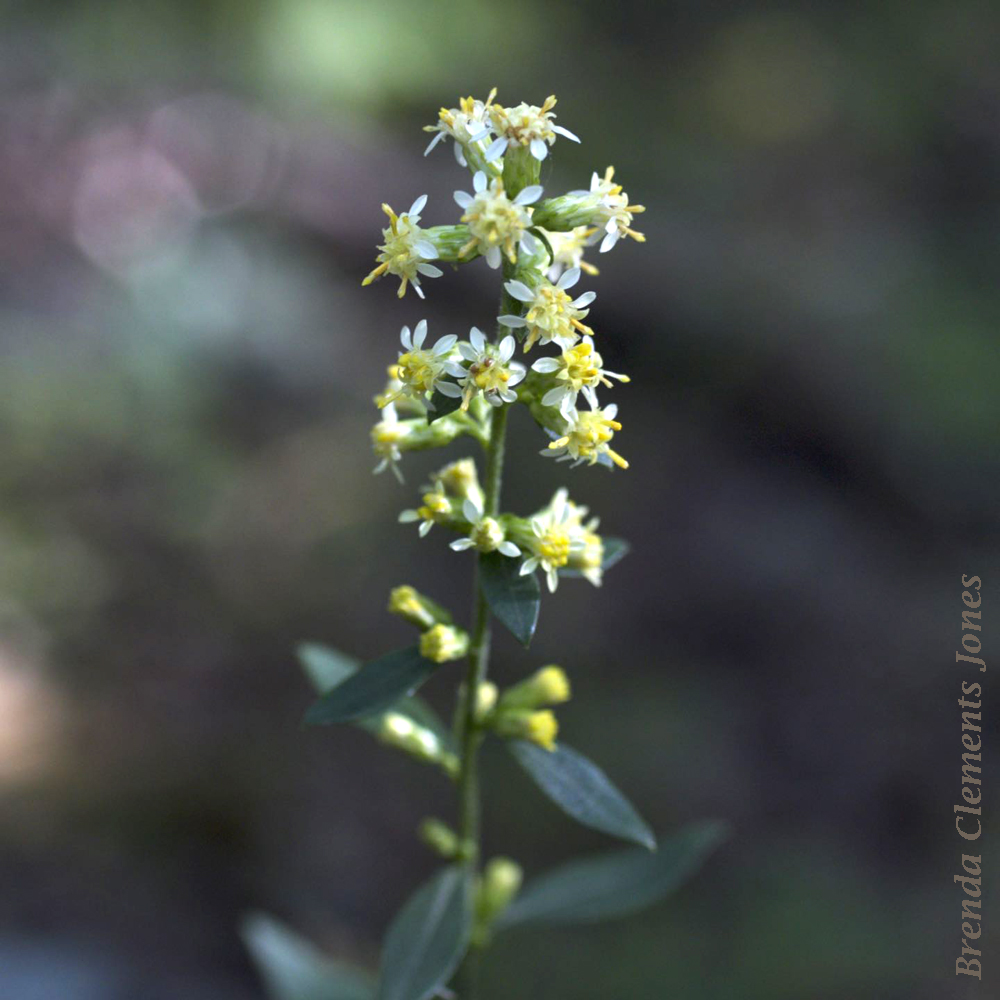
Silverrod is a perennial, herbacious plant. Its scientific name is Solidago bicolor. “Solidago” in that name means that this plant is in the genus of Goldenrod. There are approximately 150 species of Goldenrod, most of which are native to North America. A few of these are native to Asia and Europe. This one, Silverrod, was a total…
-
Pumpkins
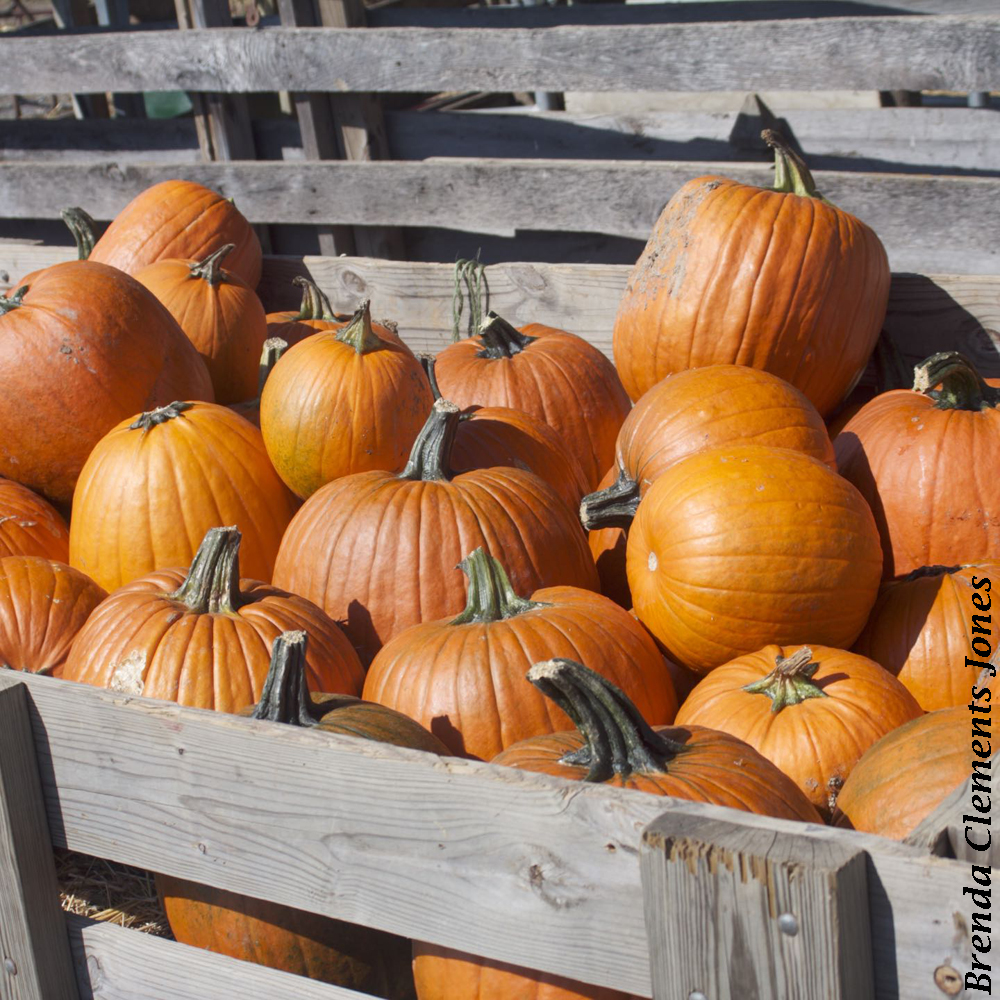
Not pumpkin spice. Some think there is just too much of that. This is just pumpkins. But much like pumpkin spice, pumpkins are ubiquitous right now. These marvelous round things are native to Central America and Mexico. The pumpkin was one of the first plants grown for human consumption some 7,500 years ago. Along with…
-
American Copper
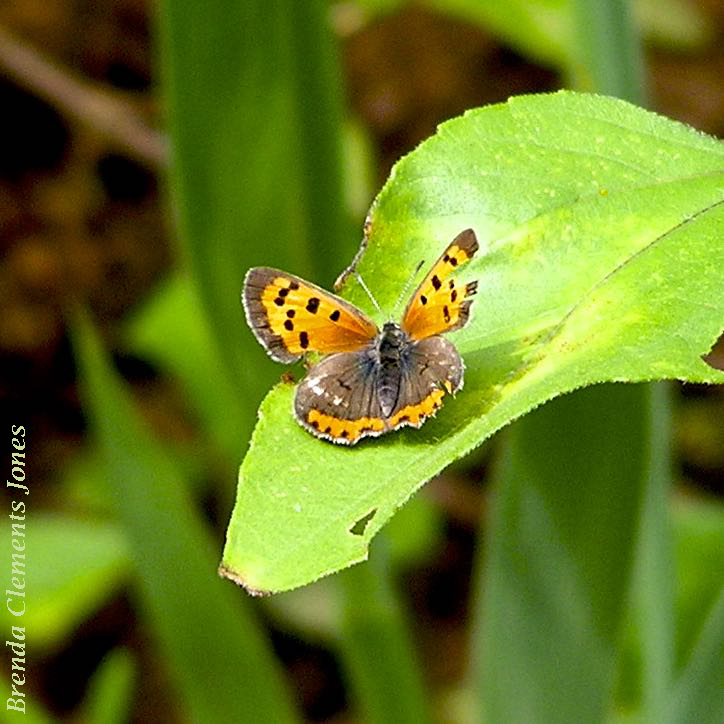
American Copper (Lycaena phlaeas). A butterfly that I seldom see. And yet the Massachusetts Butterfly Club describes its distribution in that state as, “One of our most ubiquitous butterflies.” Looking at a distribution map of this butterfly in North America I see it can be found from Nova Scotia south to Georgia, Tennessee, Arkansas; and…
-
The Last One For This Year
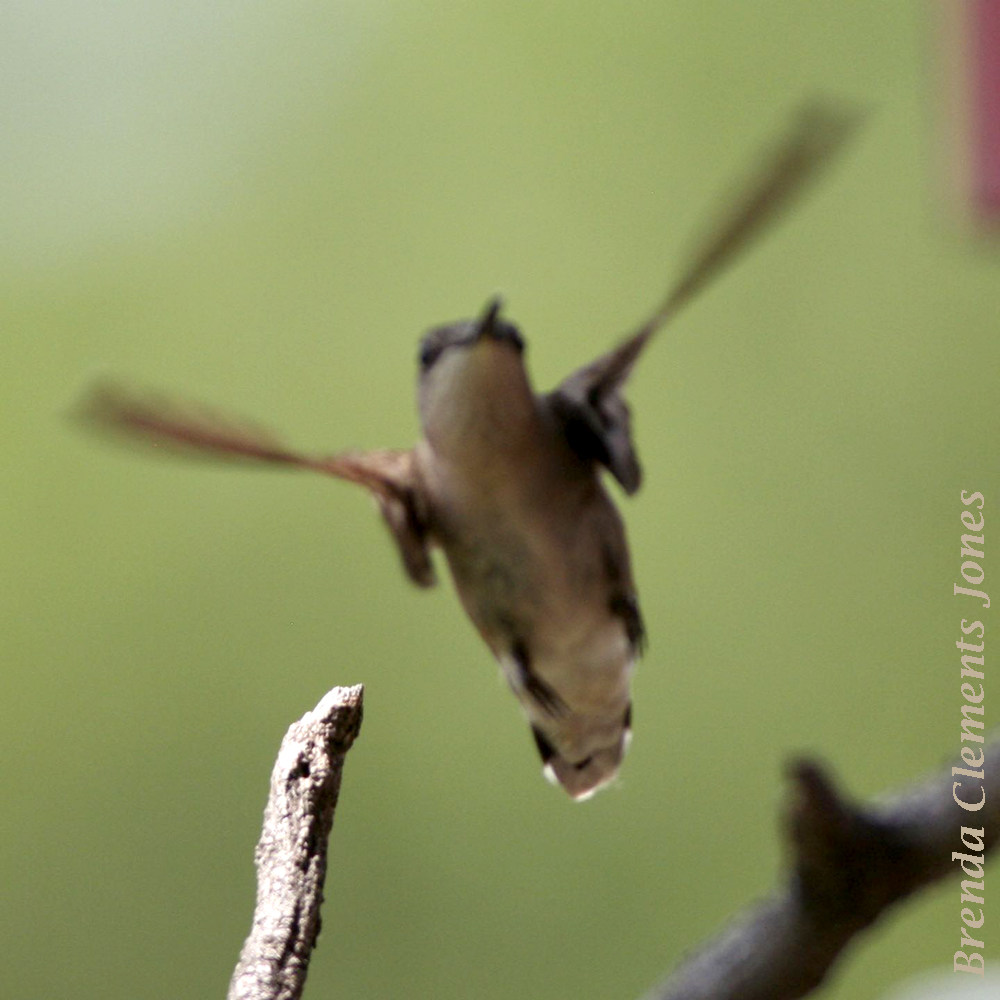
Ruby-throated Hummingbird (Archilochus colubris). It was while I was eating lunch. October 4th. The last one came through. I still waited. I left the last feeder out thinking there might be one more straggler. One more late little clown coming through. But it didn’t happen. At least not that I know. The feeders are all…
-
Yellow Bear Caterpillar
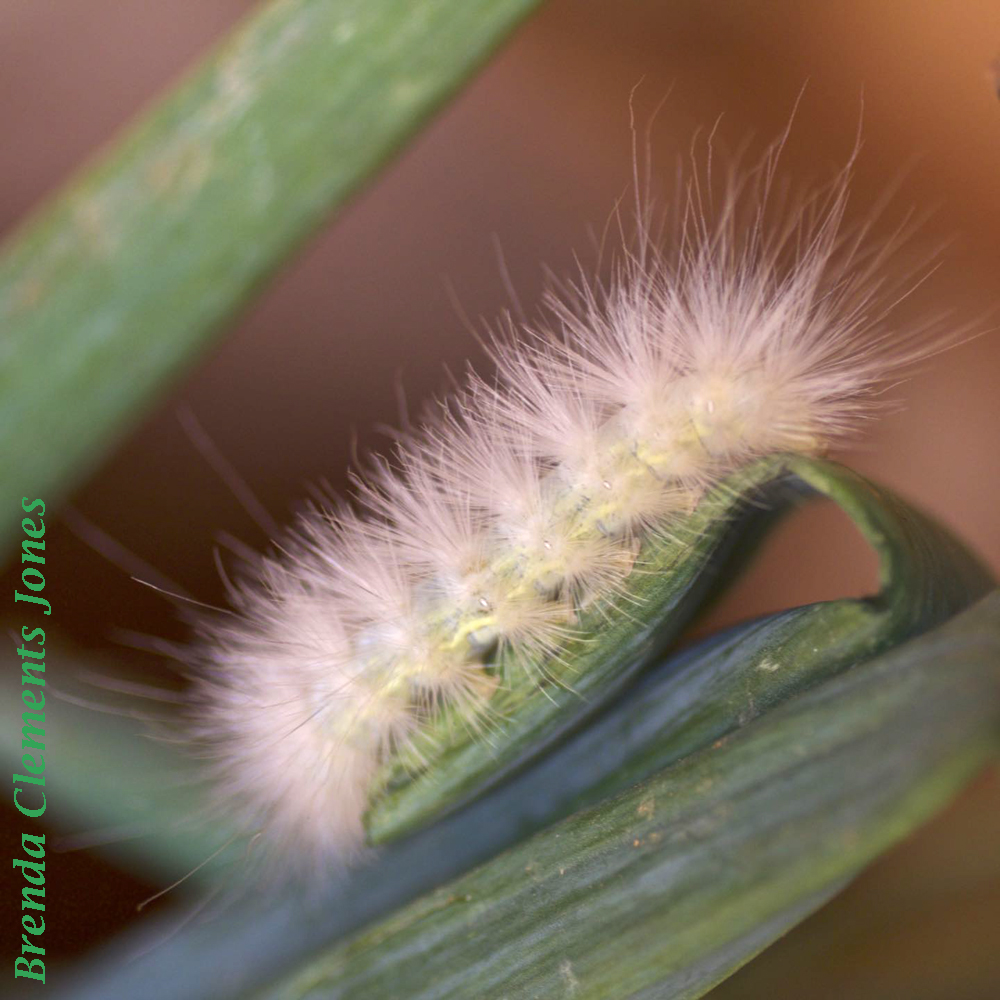
Yellow Bear Caterpillar (Spilosoma virginica). This is the larval stage of the Virginian Tiger Moth. These caterpillars are covered in tufts, or small tubercles, which contain many hairs of different lengths. Varying in color from caterpillar to caterpillar from snow white, soft yellow, brown-yellow, to orange-red. The Yellow Bear Caterpillar is not poisonous but folks…