-
Trumpet Honeysuckle
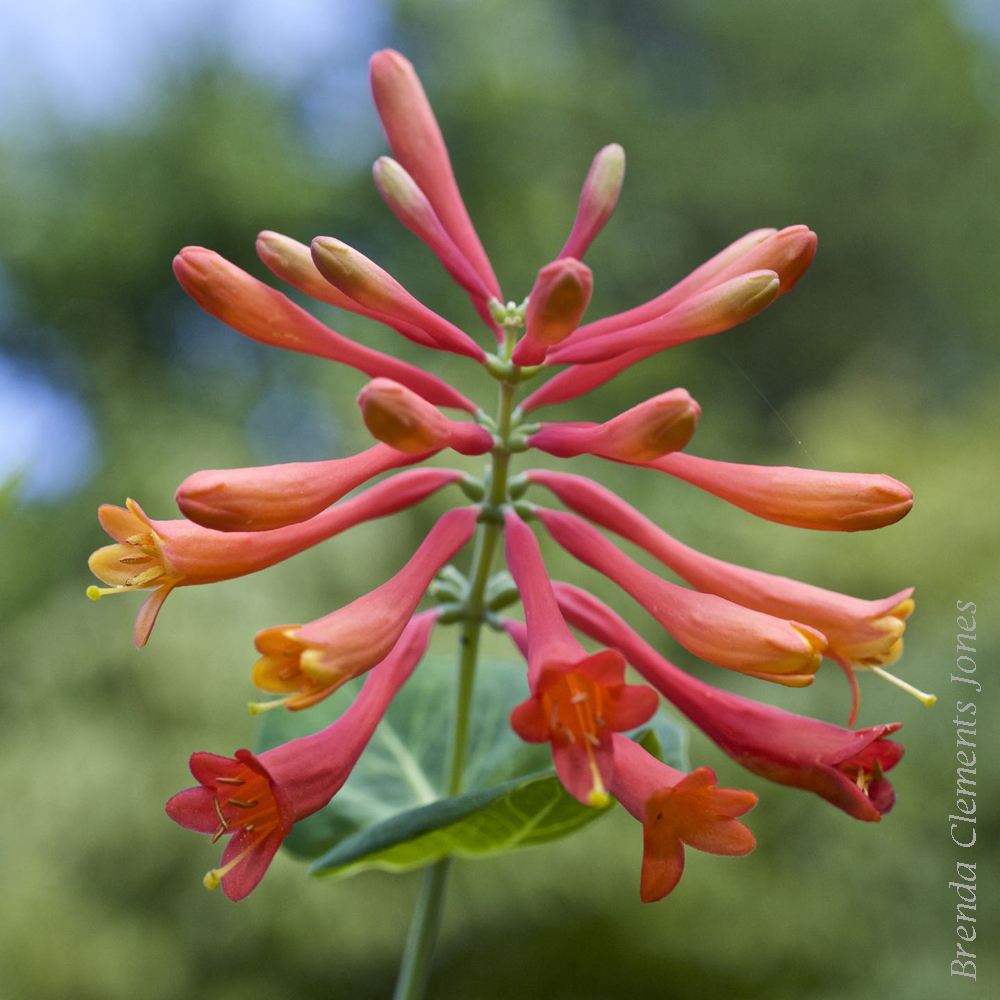
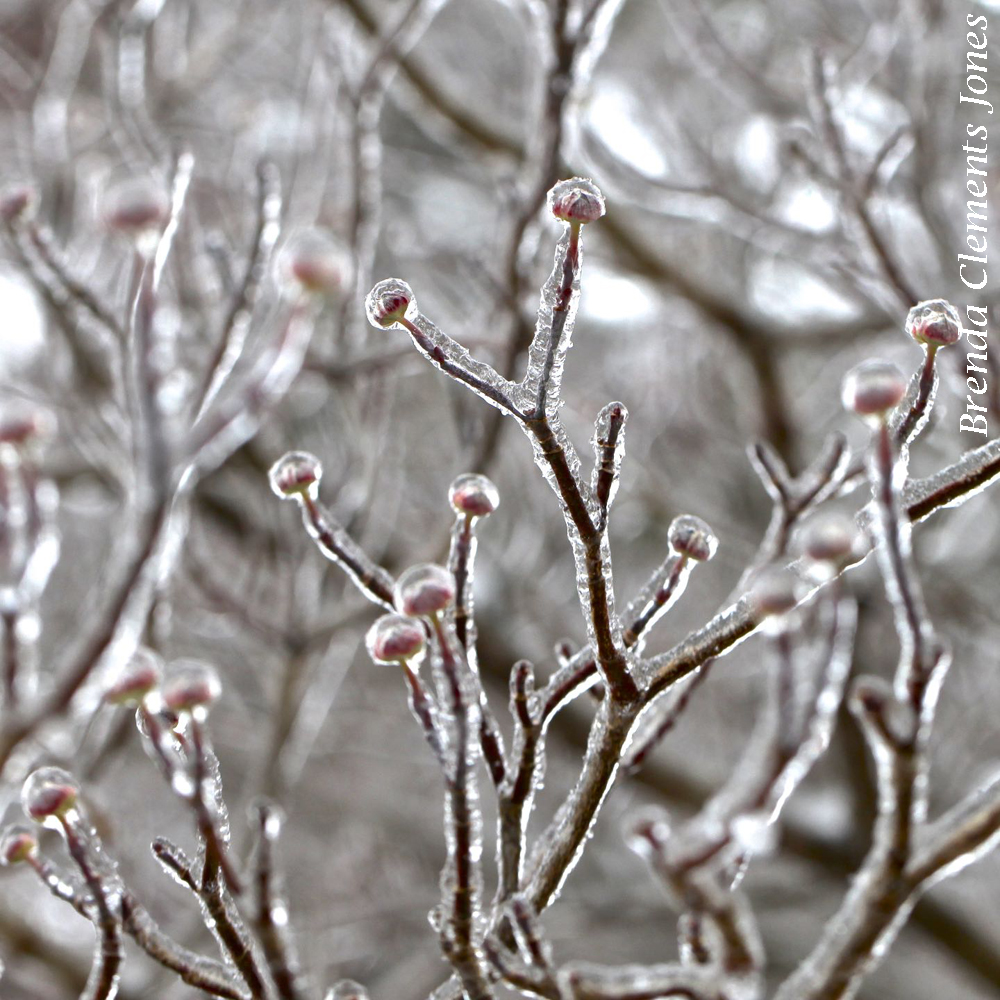
Ice covered berries of NATIVE honeysuckle. Trumpet Honeysuckle (Lonicera sempervirens). The scarlet berries bring Quail, Purple Finches, Goldfinches, Hermit Thrushes, American Robins, and surely more birds, to the vines which are native to the southeastern United States. Spring Azure butterflies and Snowberry Clearwing moths use the Trumpet Honeysuckle as their host plant. And if you’re…
-
Not Every Winter
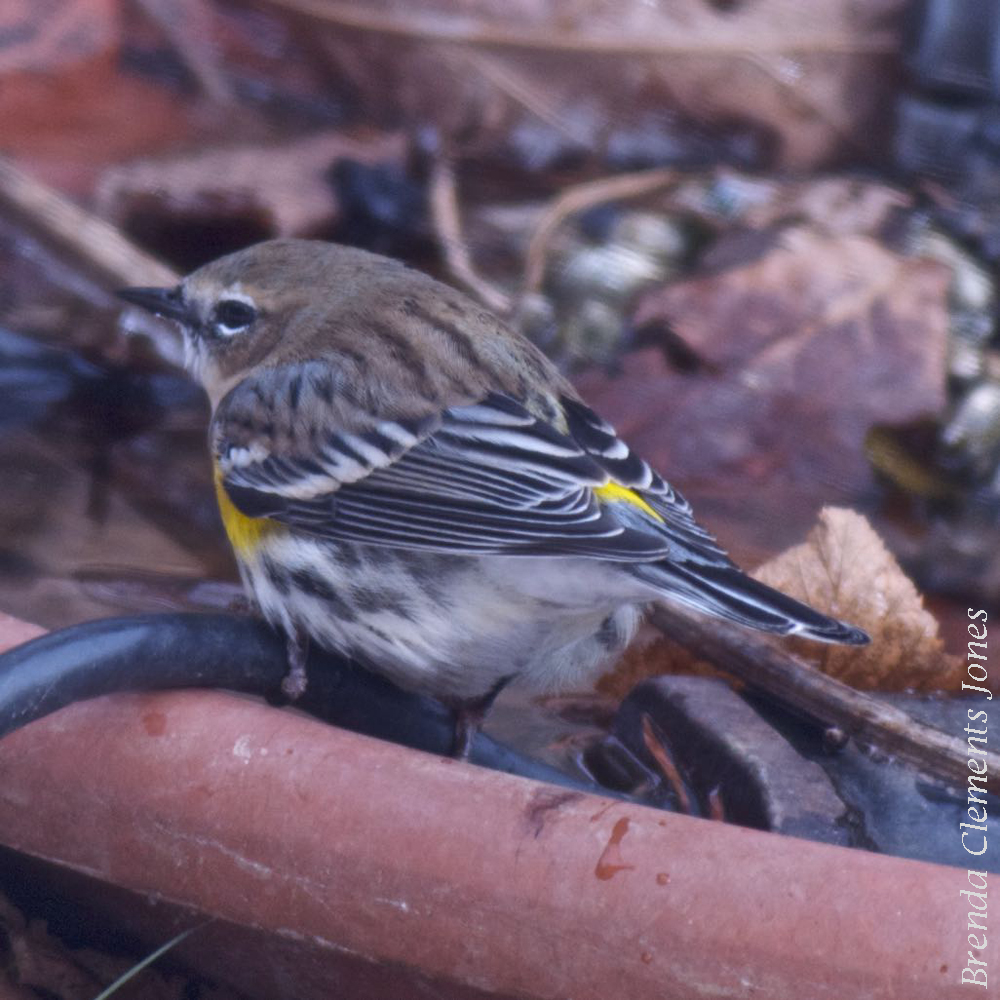
It’s not every winter I see them. But quite the treat to see when they do show up. The Yellow-rumped Warbler (Setophaga coronata). Internet sites say you can attract them with sunflower seed, raisins, suet, and peanut butter. Where I see them most often though, not at the feeders but at the birdbath. I’ve got my…
-
They Laugh at Winter
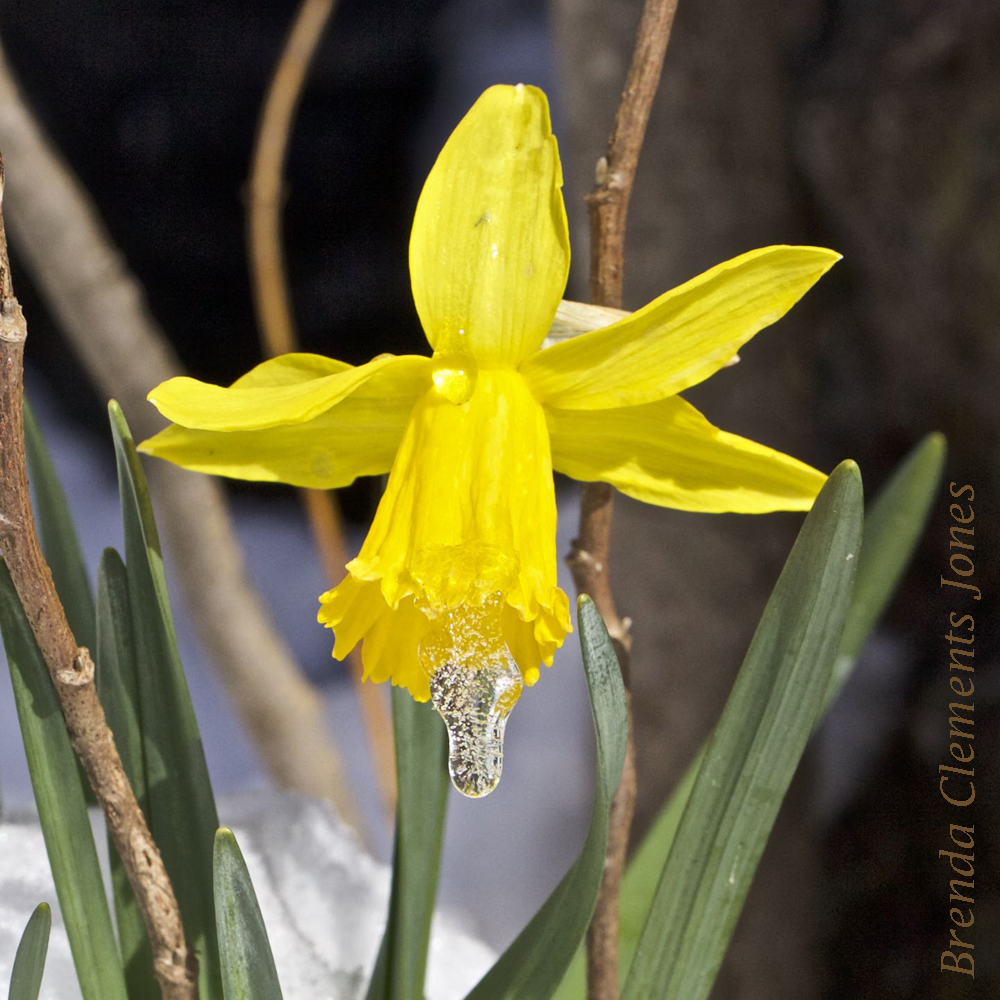
It’s been a mighty cold January. Last night’s low was an invigorating 6°. And yet here they come. Leaves emerging from the soil and soon there will be buds. Daffodils (Narcissus) are intrepid plants native to southern Europe and North Africa concentrated mainly in the western Mediterranean area. In the genus Narcissus there are over 50…
-
Midwinter Blooms
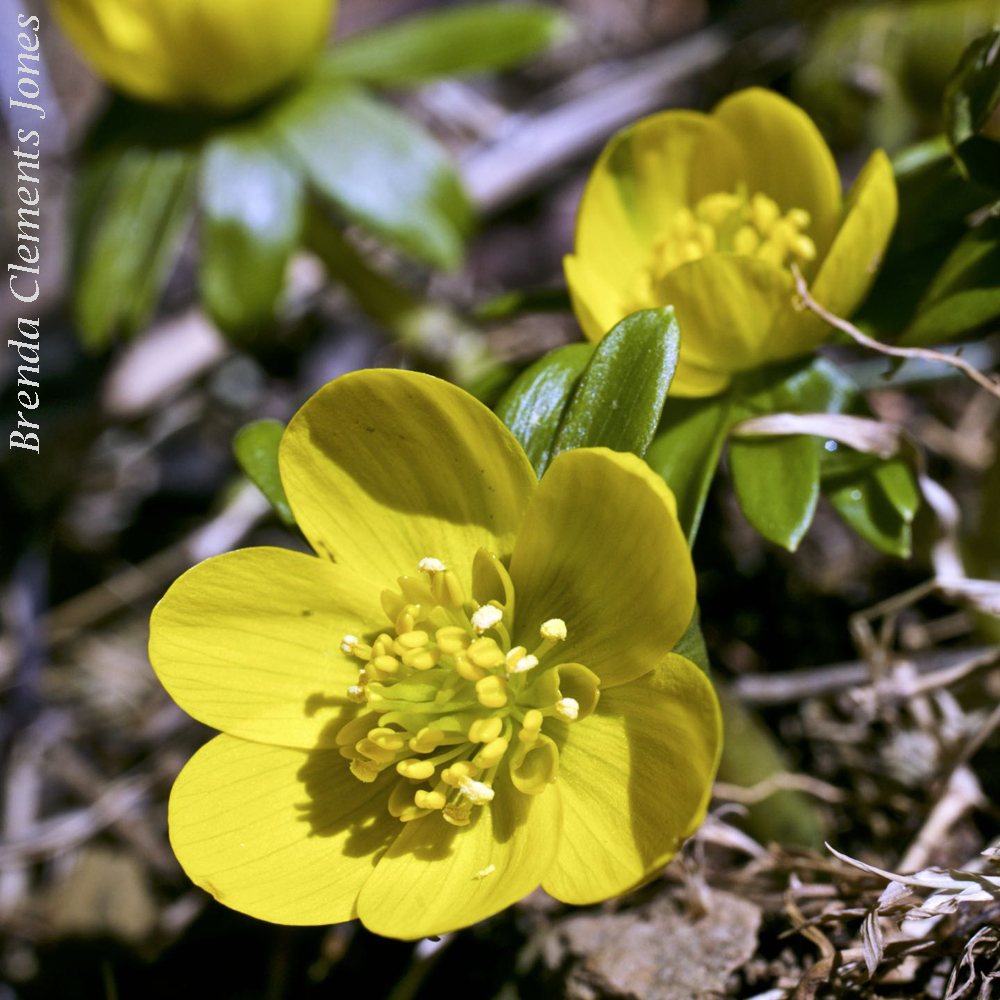
Many months of new discoveries. Training to become a master naturalist. February 2010. Blandy Aboretum of Virginia. Midwinter, and my first introduction to Winter Aconite (Eranthis hyemalis). Then a precious friend shared some of her Winter Aconite with me. All these years later they still emerge, sometimes through the snow, in early February. Like rays…
-
Time Travel and Hackberry Emperors
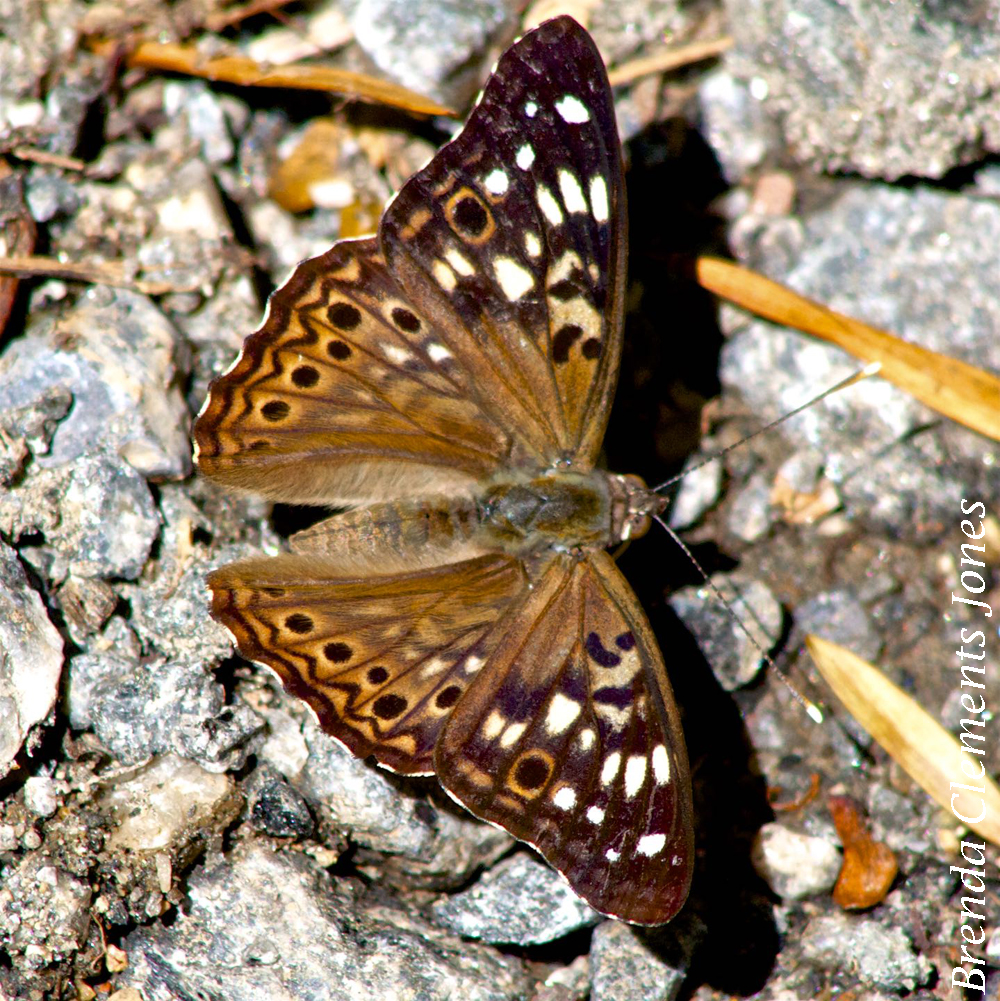
Come with me while I do a bit of time travel. Leaving the snow, ice and invigorating cold, we emerge in the sweltering heat and humidity of midsummer. Be sure to bring along your insect spray. Ticks are everywhere. And watch where you step, snakes are active too. I’ve come upon these photos of Hackberry…
-
Flicker in the Tulip Poplar
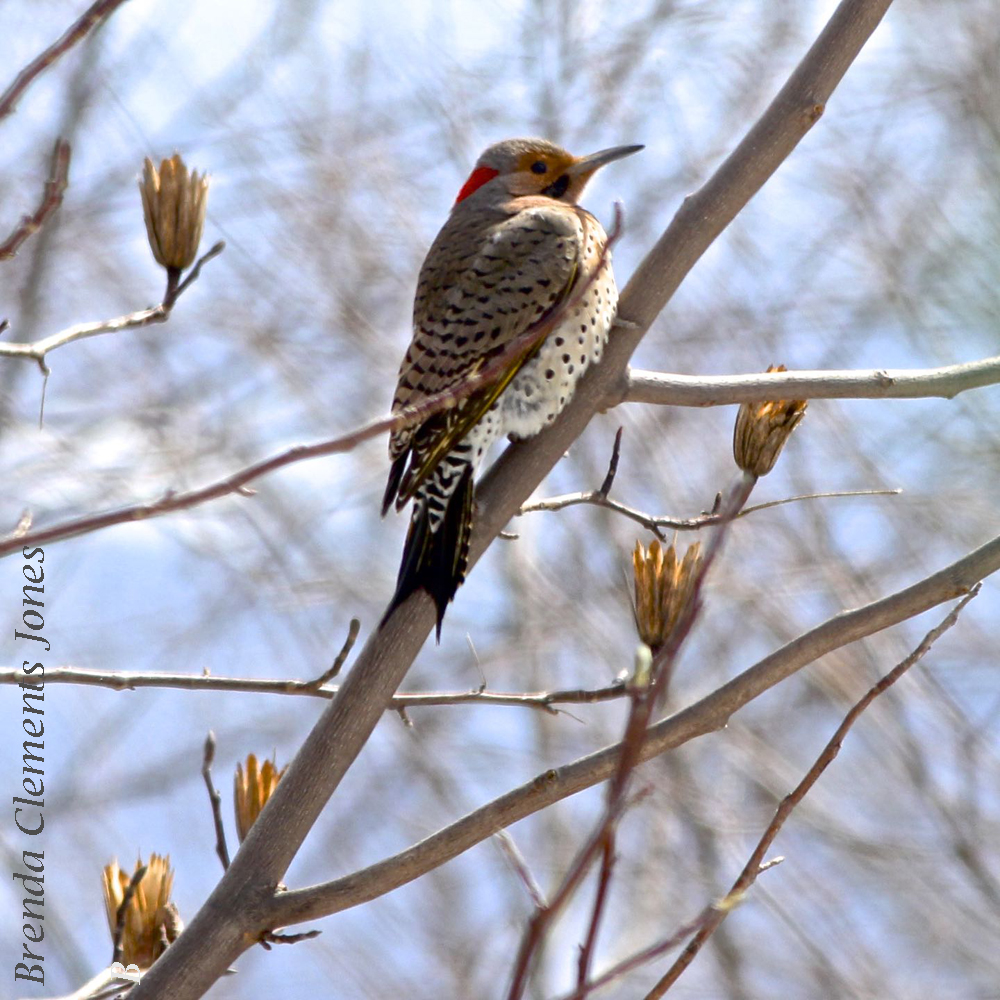
Northern Flicker (Colaptes auratus). A woodpecker that normally is seen on the ground, searching for ants, beetles and grubs. They pound into the soil in a way similar to what you’d expect to see other woodpeckers doing, pounding into a tree. As with most other insect eaters who are in this wintery land, Flickers switch…
-
The Name, Tufted Titmouse
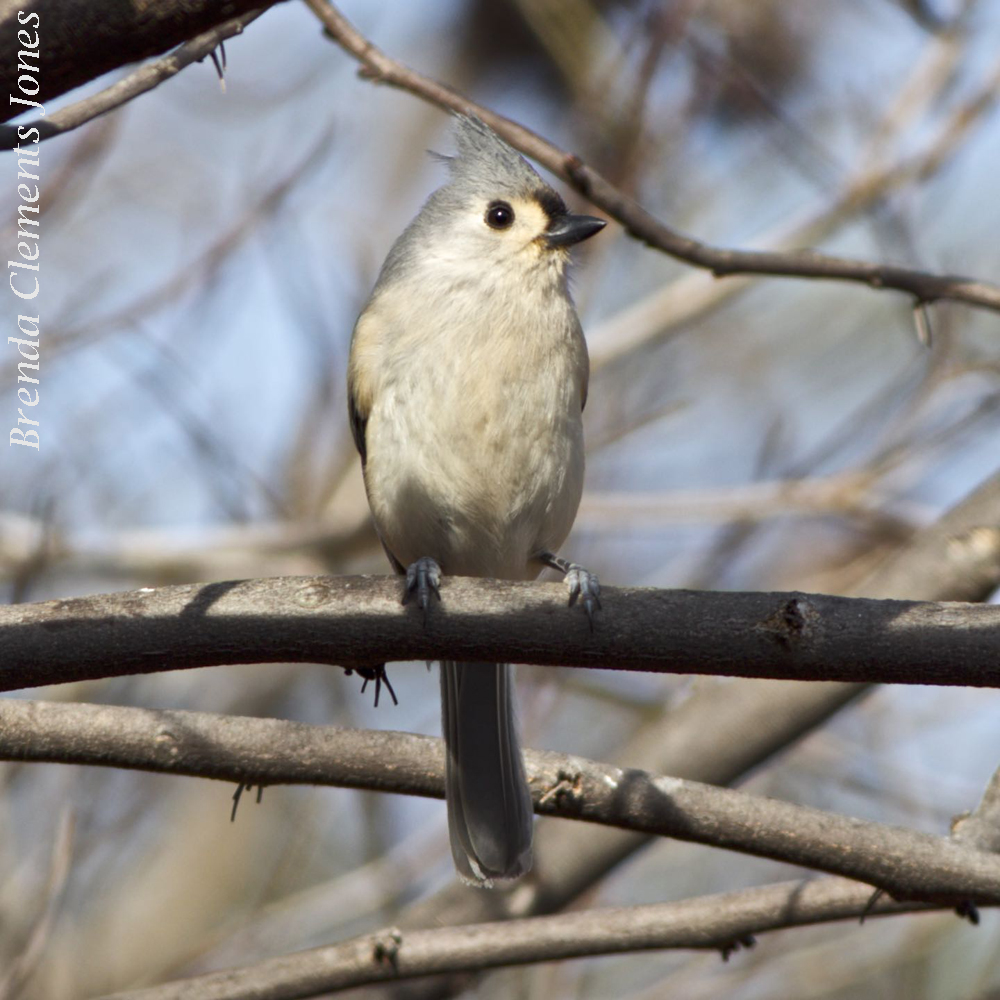
It all began long long ago, in the 14th century when the Old English name for bird, “mase,” and “tit,” meaning something small, were put together to represent the Tufted Titmouse. Time went by, the word “mase,” morphed into “mose” which eventually became “mouse” and took on new thoughts of what it means. A quick…
-
Berries on the Winter Diet
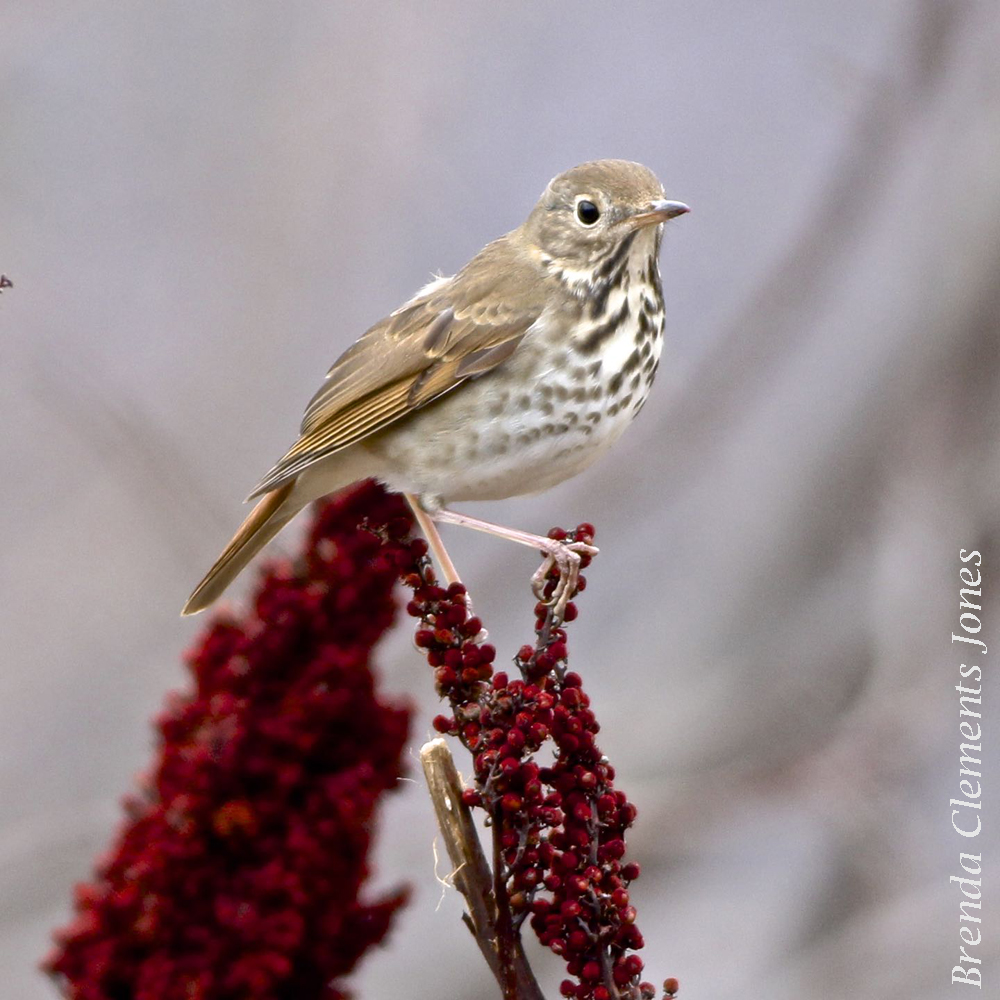
They eat insects spring, summer and autumn but when the Hermit Thrush (Catharus guttatus) arrives here for the winter, insects aren’t prevalent. Fruits and berries fill in for that lack. A favorite in this image, Smooth Sumac (Rhus glabra). A favorite for many birds and a favorite of mine for its drawing power. The power…