-
Rabbits in Winter

Summer, and rabbits are seen often. Winter, and the sight of a rabbit is a rare thing. A time to stop and take notice. If you see a rabbit in Virginia, more than likely it is an Eastern Cottontail (Sylvilagus floridanus). Rabbits don’t hibernate. But during the winter they are most active during dusk and…
-
Marcescence
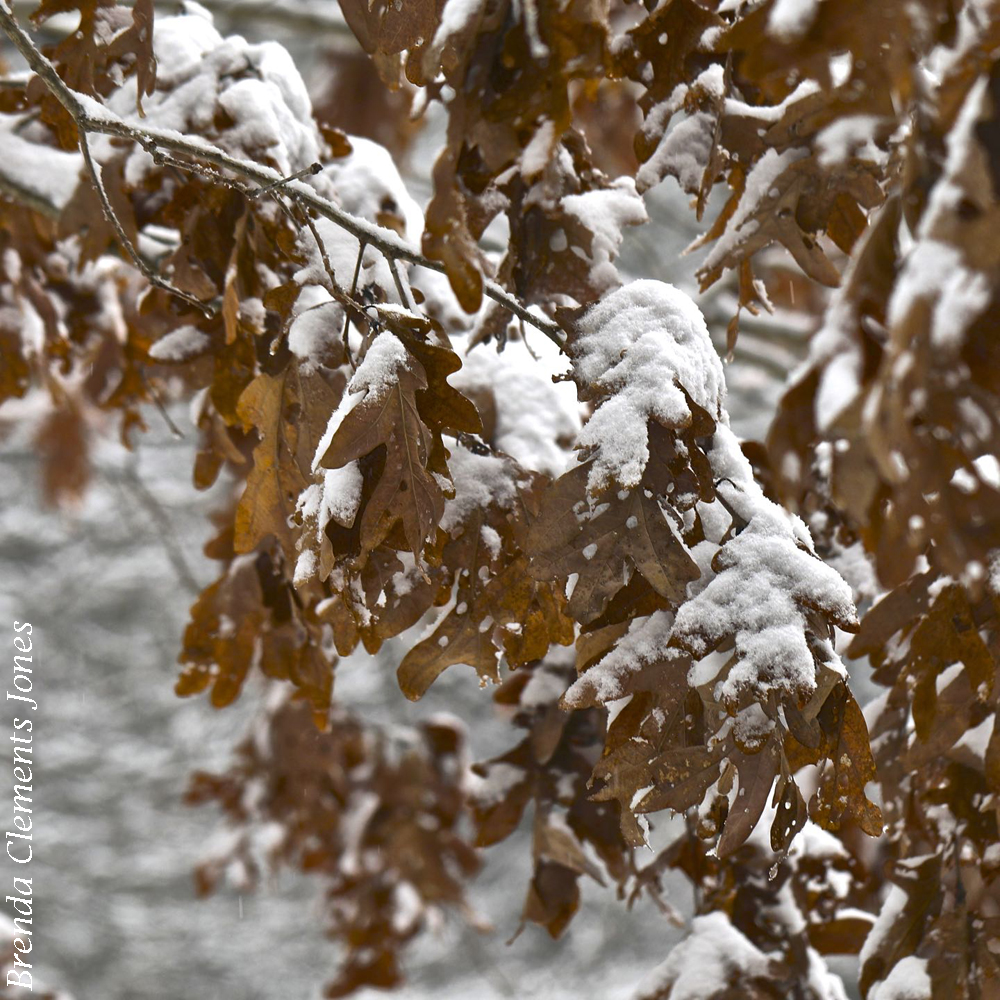
It doesn’t happen often. Deciduous trees that hang onto their leaves through the winter, marcescence. These trees fail to create the abscission layer at the base of the leaf stem, that is, the layer that helps the plant release those leaves (also the layer that will initiate the release of flowers or fruits). It will…
-
Purple Coneflower
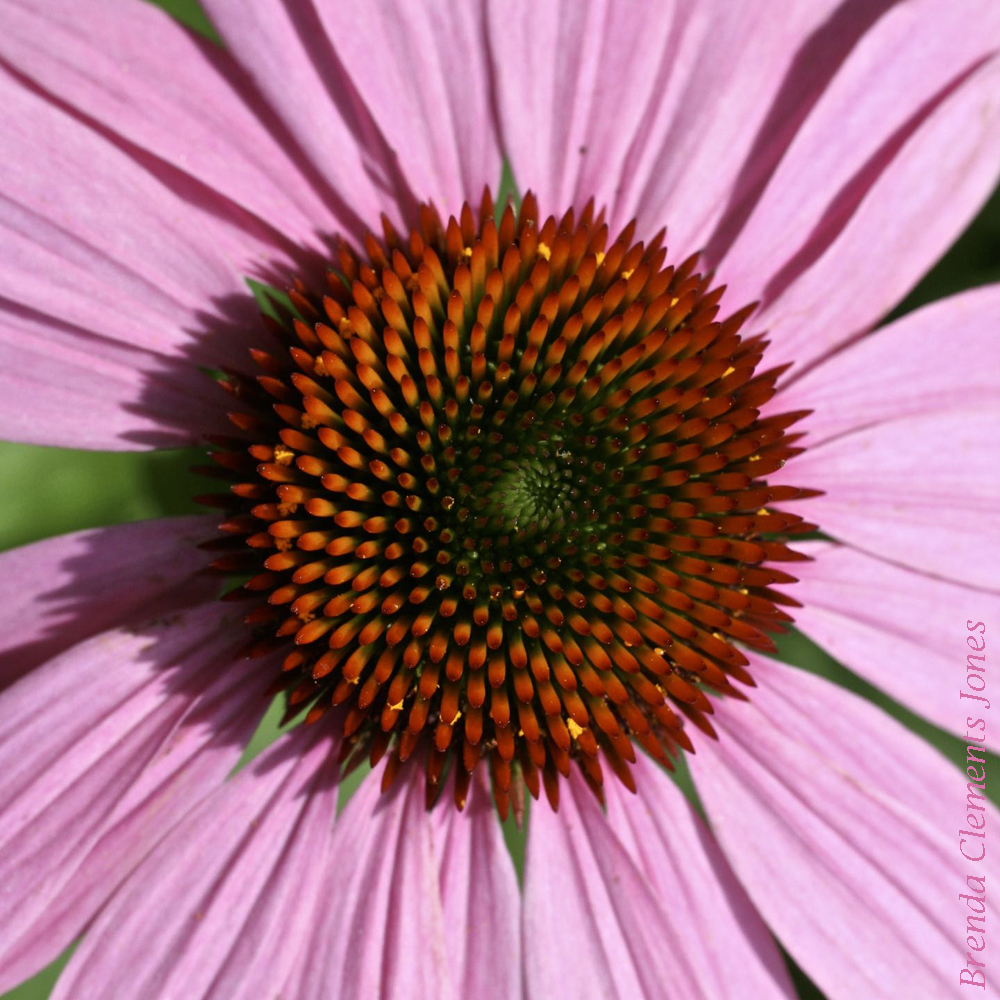
Purple Coneflower (Echinacea purpurea). Native to central to southeastern United States. Pollinators love the flowers. Leave the seedheads over the winter for Goldfinches who will gather for a snack of seeds. And then for the math/nature nut there is the Fibonacci spiral of the disk florets that become those seeds.
-
Snowdrop Buds Today
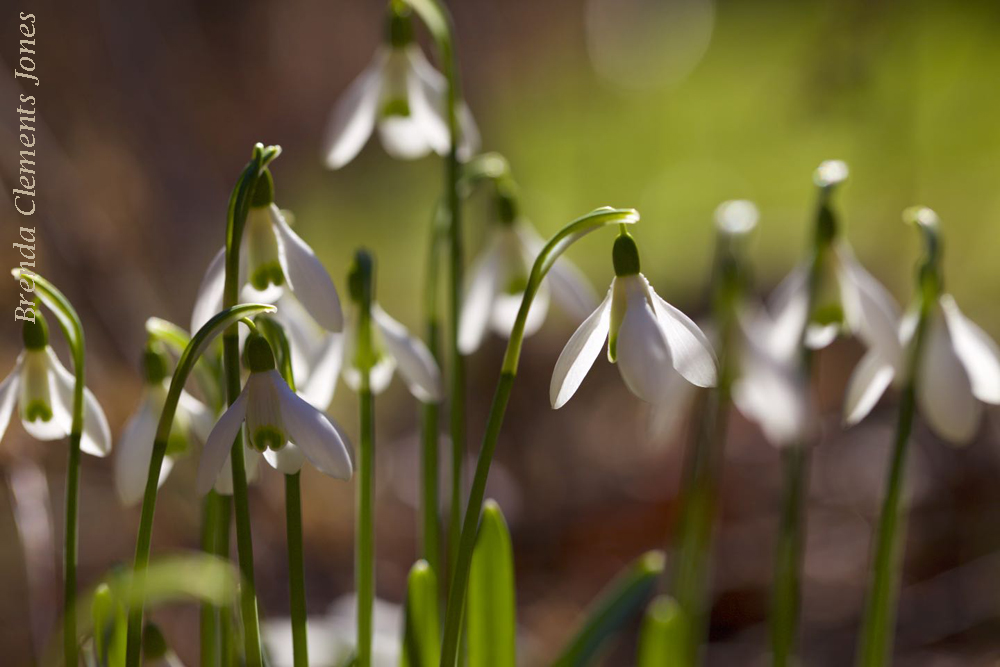
The Snowdrops (Galanthus nivalis) have emerged at my back porch. Not blooming yet, but it’s soon to happen. This is what they looked like this afternoon, thoroughly enjoying the odd warmth of this mid-February day. Native plants are a TOP PRIORITY in my gardens but there are some that, because of sentimental value, and so…
-
Bobcat
Certainly something that I would not have expected to find anywhere around my cabin. Something that doesn’t make itself known very often at all. But on rare occasions I get the thrill of my life, when a Bobcat (Lynx rufus) makes an appearance. These creatures are secretive in nature, solitary, territorial, and nocturnal, most often…
-
Confusing Bumblebee
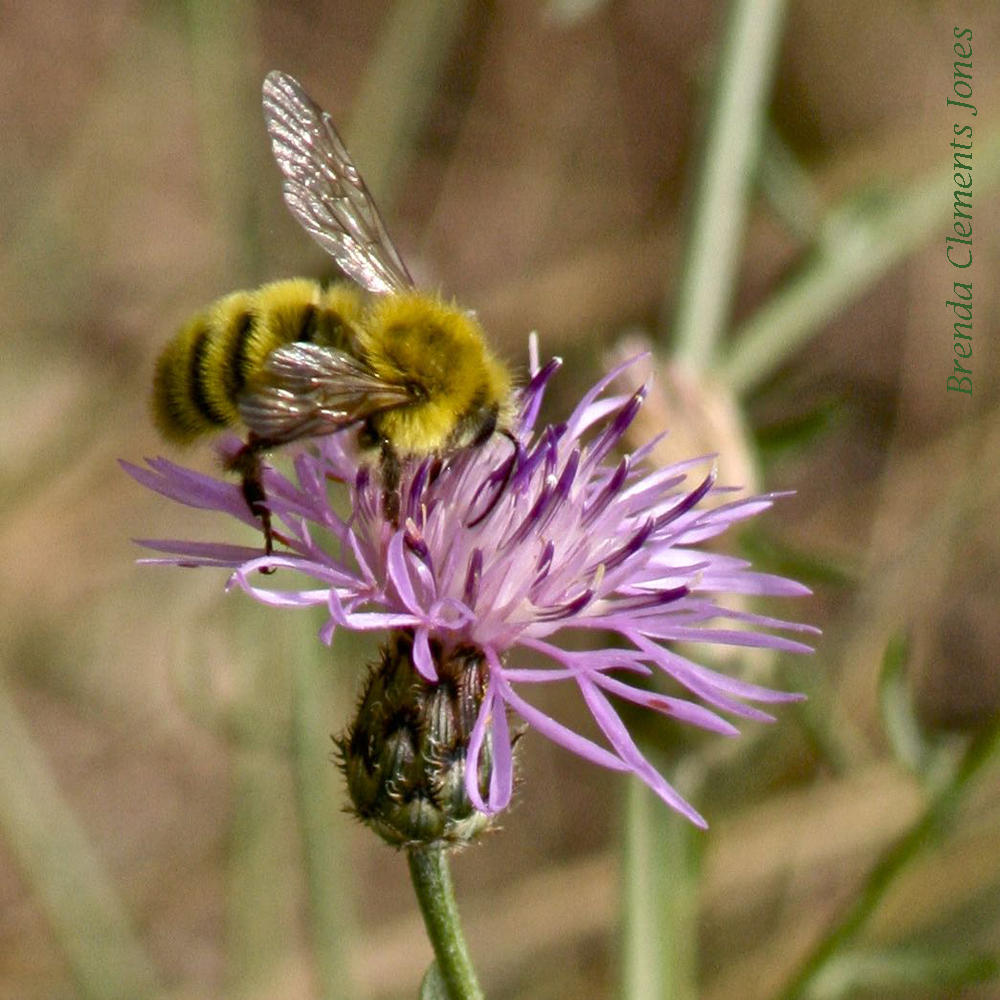
Confusing Bumblebee (Bombus perplexus). Native across Canada and south into the eastern portion of the United States. This critter surprised me when I saw it. I’m not used to seeing bumblebees are are almost entirely yellow. What a thrill to see. The flower though is not such a thrill. It’s Spotted Knapweed (Centaurea maculosa), which…
-
Io Moth Caterpillar Stings!
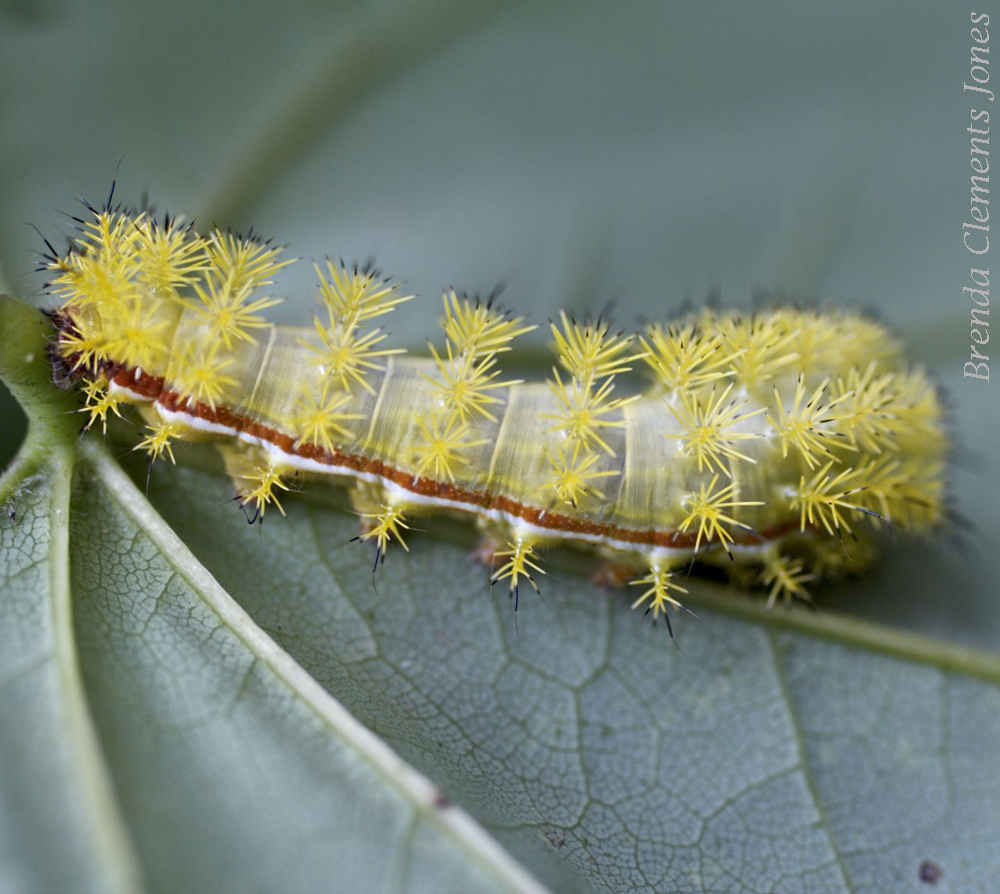
Io Moth Caterpillar (Automeris io), a beautiful creature that feeds on an extensive collection of plants including corn, roses, sassafras, willow, linden, elm, oak, locust, redbud, apple, beech, ash, currant, and clover. Quite the wide variety. The young caterpillar is orange. As it grows it changes color, and as a mature caterpillar it is bright…
-
Dark-spotted Palthis
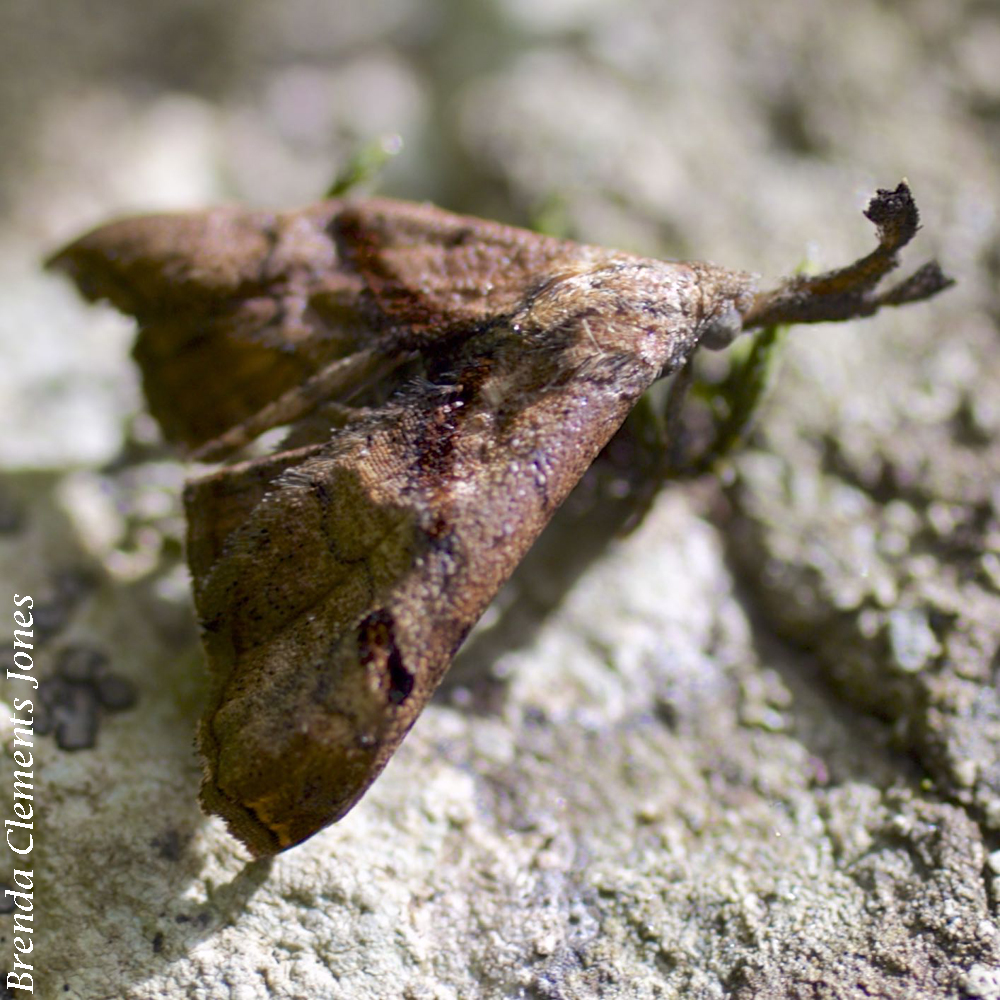
Looking much like the Northrop B-2 Spirit, Stealth Bomber. But don’t get confused, it’s a moth. A Dark-spotted Palthis (Palthis angulalis). The caterpillar of this Palthis eats leaves (living or dead) of shrubs and trees, including Alder, Ash, Basswood, Birch, Pine, Spruce, Willow; and of forbs including Aster and Goldenrod. I love that they eat…
