-
Common Blue-eyed Grass
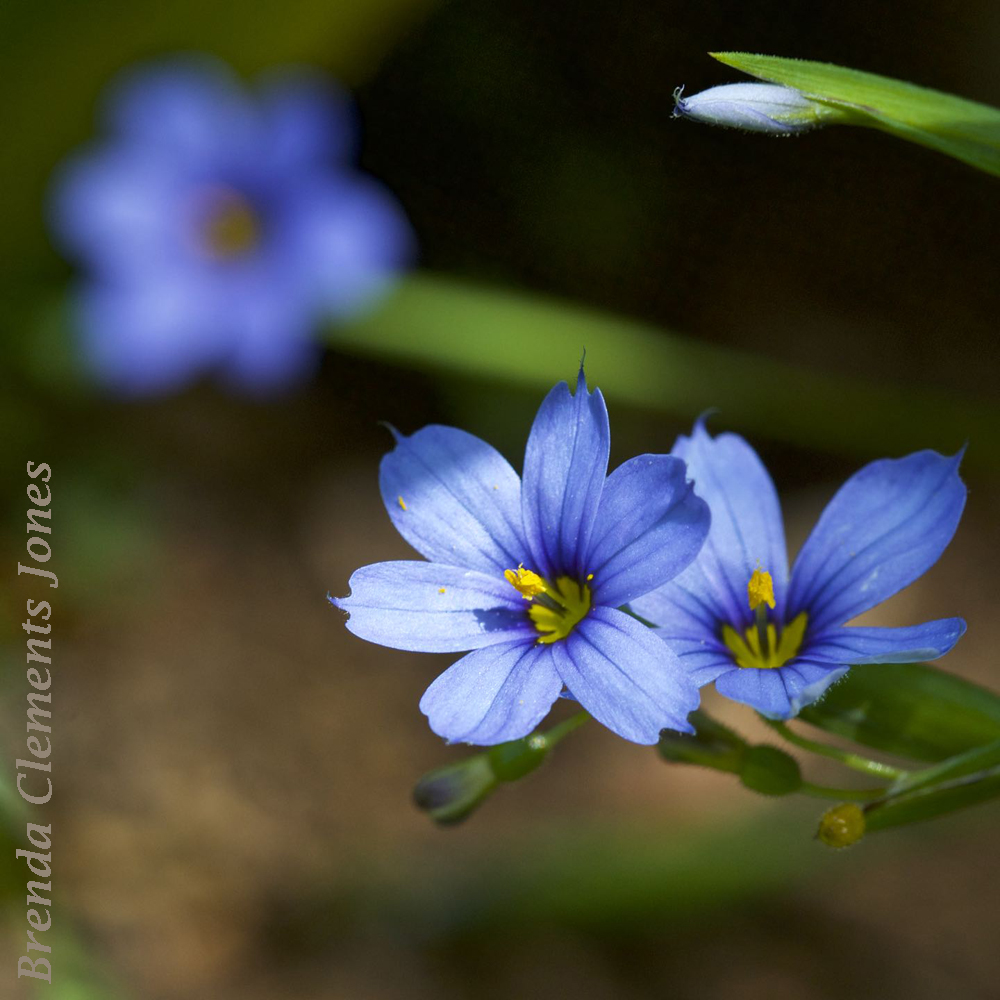
A clump of grass in early spring becomes green streaks, highlighted with six pointed dots of cheery blue. Common Blue-eyed Grass (Sisyrinchium angustifolium) is native to the eastern two thirds of the United States and Canada. Though “grass” is in the common name, it is not a grass at all but is in the iris…
-
Eastern Fence Lizard
A cute little creature that I see climbing on the cinder block foundation of my cabin on occasion. An Eastern Fence Lizard (Sceloporus undulatus). With golden eyes that stare back at me wondering what I am. Fence Lizards grow to be between four, and seven and a quarter inches long. Usually females are gradations of…
-
Yellow Lady Slipper
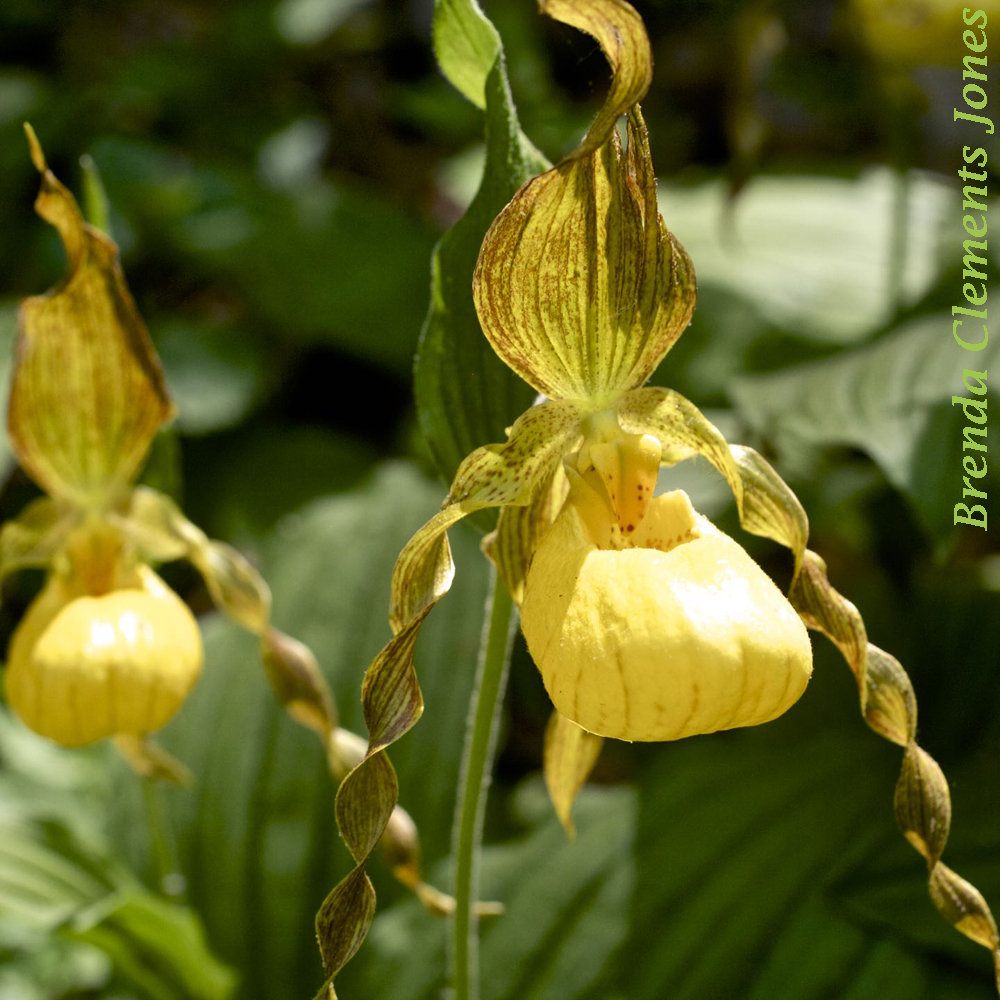
Is there anything else so beautiful? Yellow Lady’s Slipper (Cypripedium parviflorum). A trek in Shenandoah National Park is pure joy no matter what, but add a sighting of this native orchid and I’m more than elated. But it’s not just in Virginia. This species of Yellow Lady’s slipper can be found in much of North…
-
Zabulon Skipper
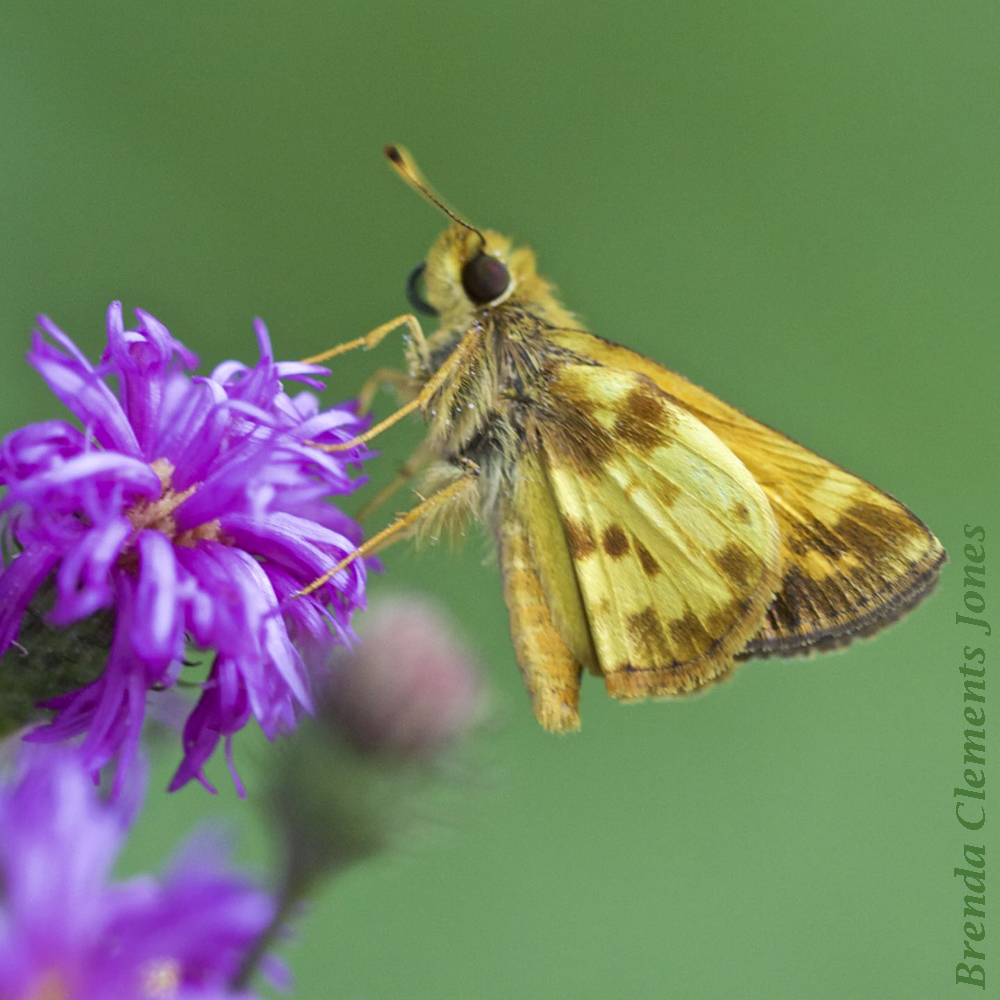
Quite the contrast, this Zabulon Skipper (Poanes zabulon) on Ironweed. Gold on magenta. Skippers are called butterflies, but they are not true butterflies. One difference, antennae of a skipper is thread like, ending in clubbed tips which taper to hooks. The photo above is of a Duskywing Skipper with its hooked antennae. The antennae of…
-
Zebra Swallowtail
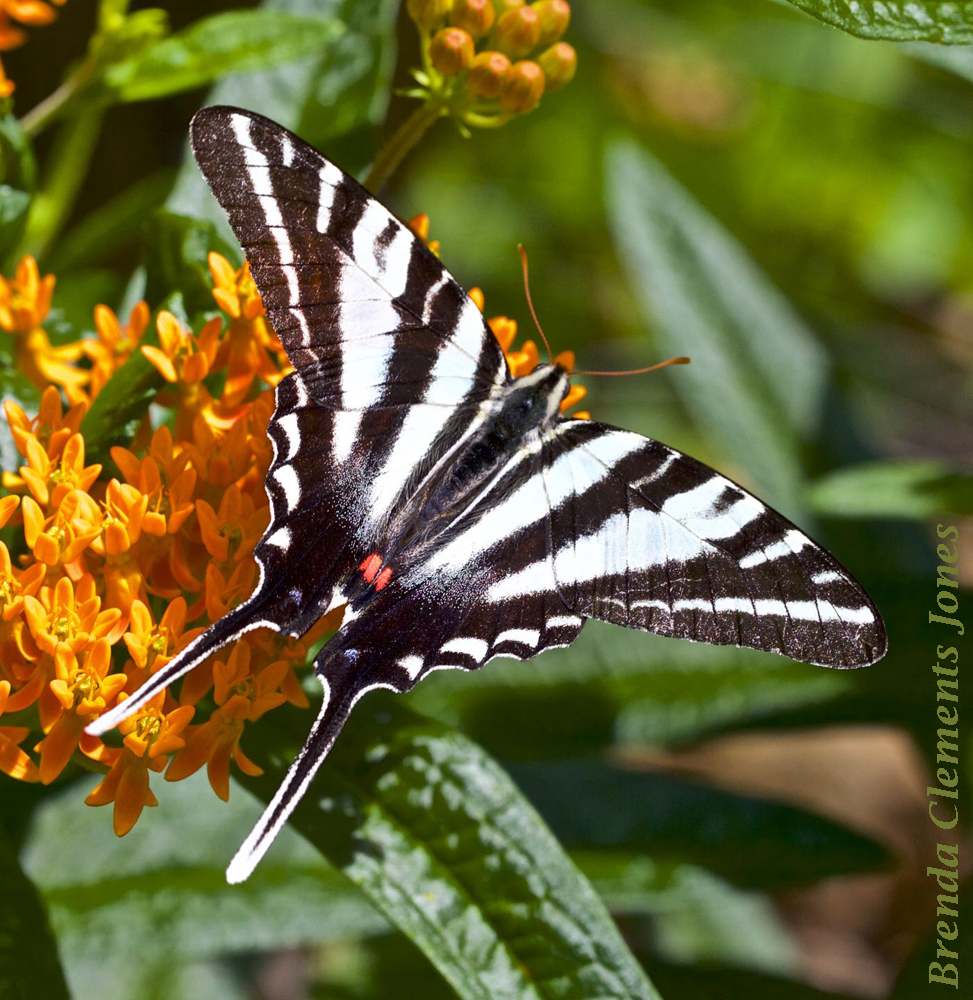
The larval host of Zebra Swallowtail (Protographium marcellus) is any of the eight species of the genus PawPaw (Asimina). I’m in the process of replacing three PawPaw trees that I recently lost. An important quest for me. Exquisite Zebra Swallowtails depend entirely on PawPaw trees for their very existence. No PawPaw trees, no Zebra Swallowtails.…
-
Golden Alexanders
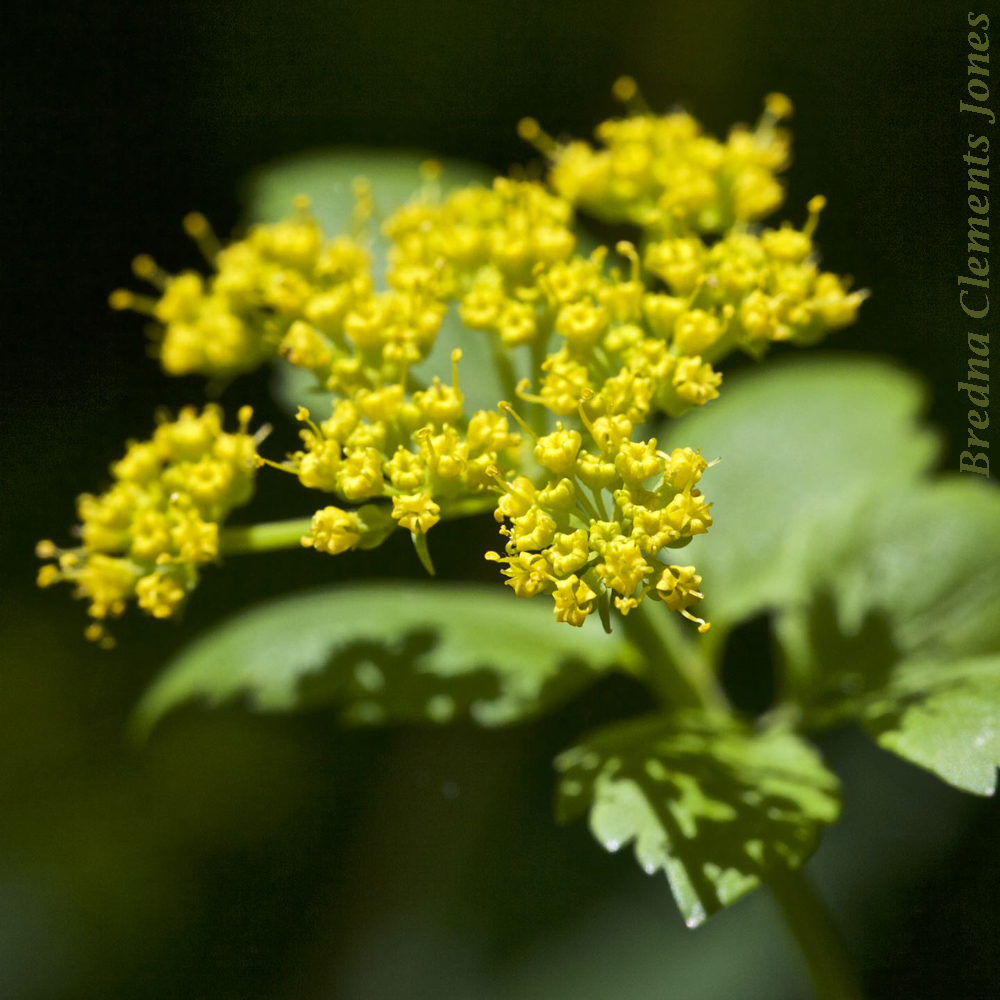
A favorite of mine, late May trailside. Golden Alexanders (Zizia aurea). The color might be the catch for me. Or perhaps it’s the tiny flowers arranged in flat-topped umbels. A short-lived herbaceous perennial that enjoys moist soil, and full sun to part shade. I tried once, long ago to add it to one of my…
-
Luna Moth
In late spring nearly every year I’m treated to a remarkable visit. A Luna Moth (Actias luna) magically crosses my path. Luna Moths are native to Eastern North America, clear to Texas, and including a great part of Southeastern Canada. The Luna Moth has a wingspan of about four to four and a half inches.…
-
Purple-flowered Raspberry
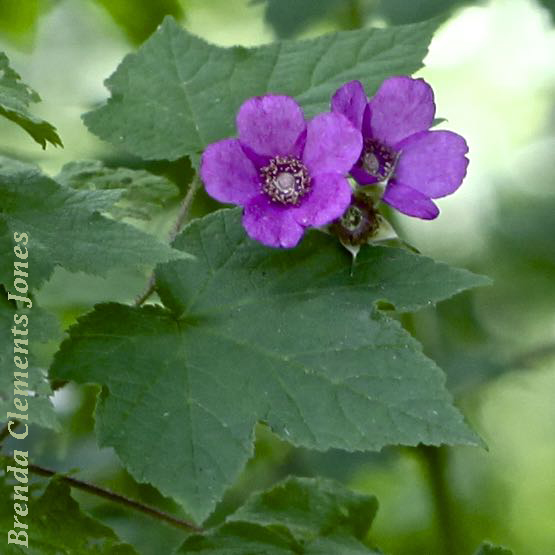
I had no idea such a thing existed. A raspberry bush with such pretty flowers. Raspberry blossoms of a bright magenta rather than white. Being up on Skyline Drive at just the right time, during bloom time revealed this unusual plant to me. Purple-flowered Raspberry (Rubus odoratus). Since it was growing in Shenandoah National Park,…
-
White Turtlehead
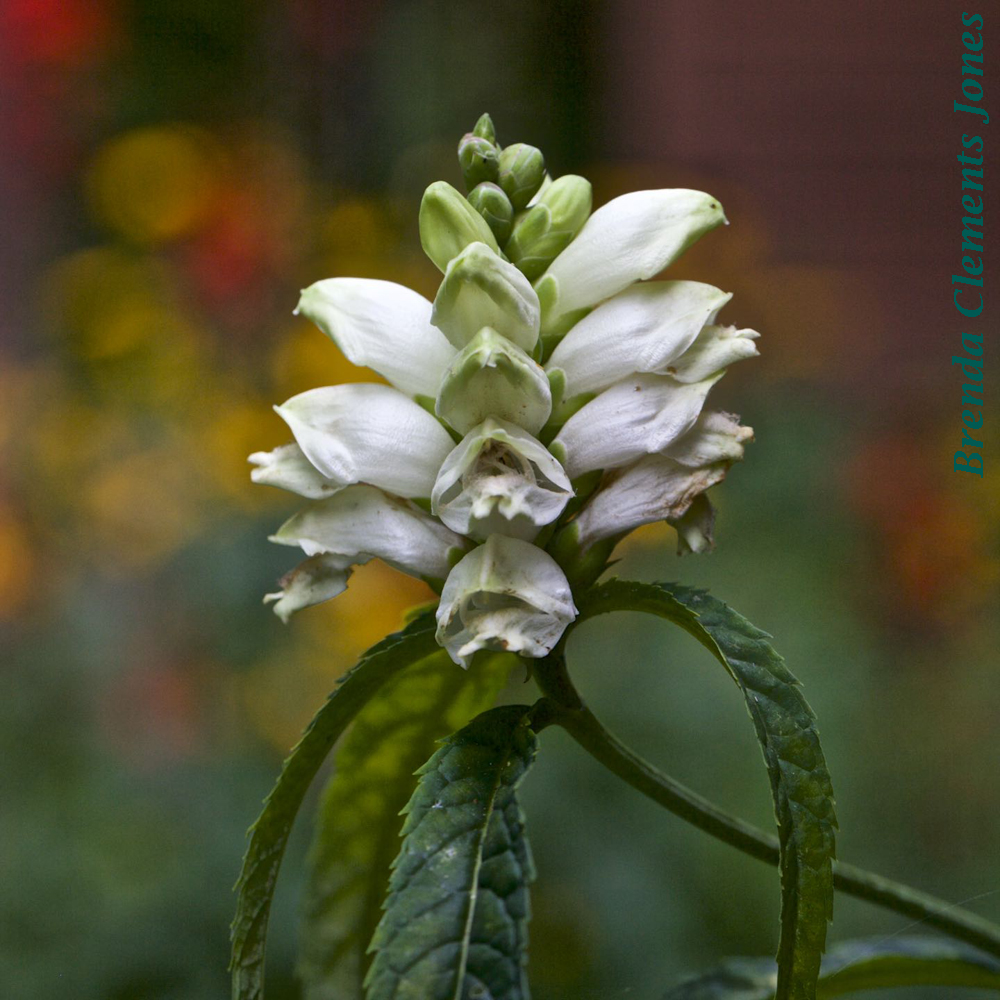
I’ve only ever seen the caterpillar of the Baltimore Checkerspot (Euphydryas phaeton). Never the adult. That one sighting was an hour from my cabin at Buck Hollow in Shenandoah National Park. Since that brief observation I’ve learned that the main larval host plant of the beautiful Baltimore Checkerspot is White Turtlehead (Chelone glabra). I’ve learned…