-
Eastern Cottontail

Populating the area around the cabin, a few Eastern Cottontail Rabbits (Sylvilagus floridanus) provide fun entertainment as they grow from the size of one’s hand to an adult. They love to eat the clover which grows in great abundance and because care is taken not to tempt them, they eat little else. Little else that…
-
Common Whitetail Dragonfly
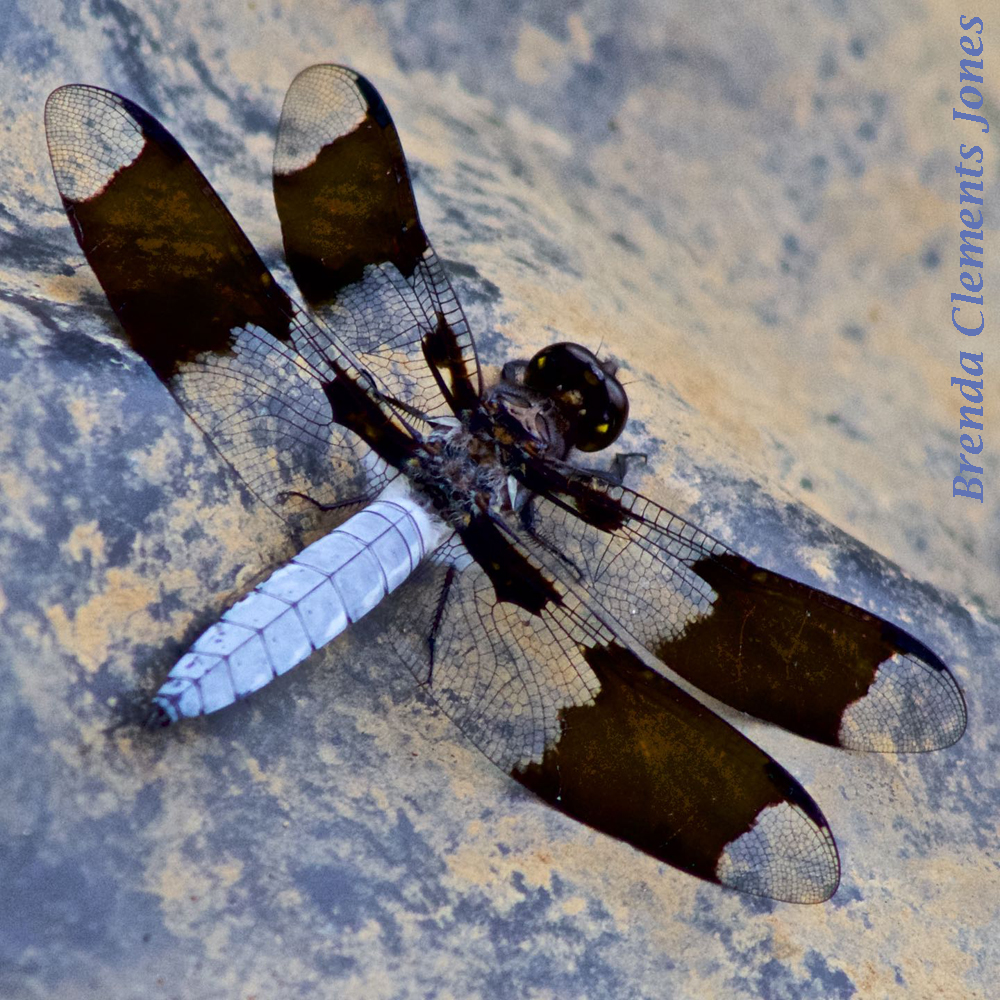
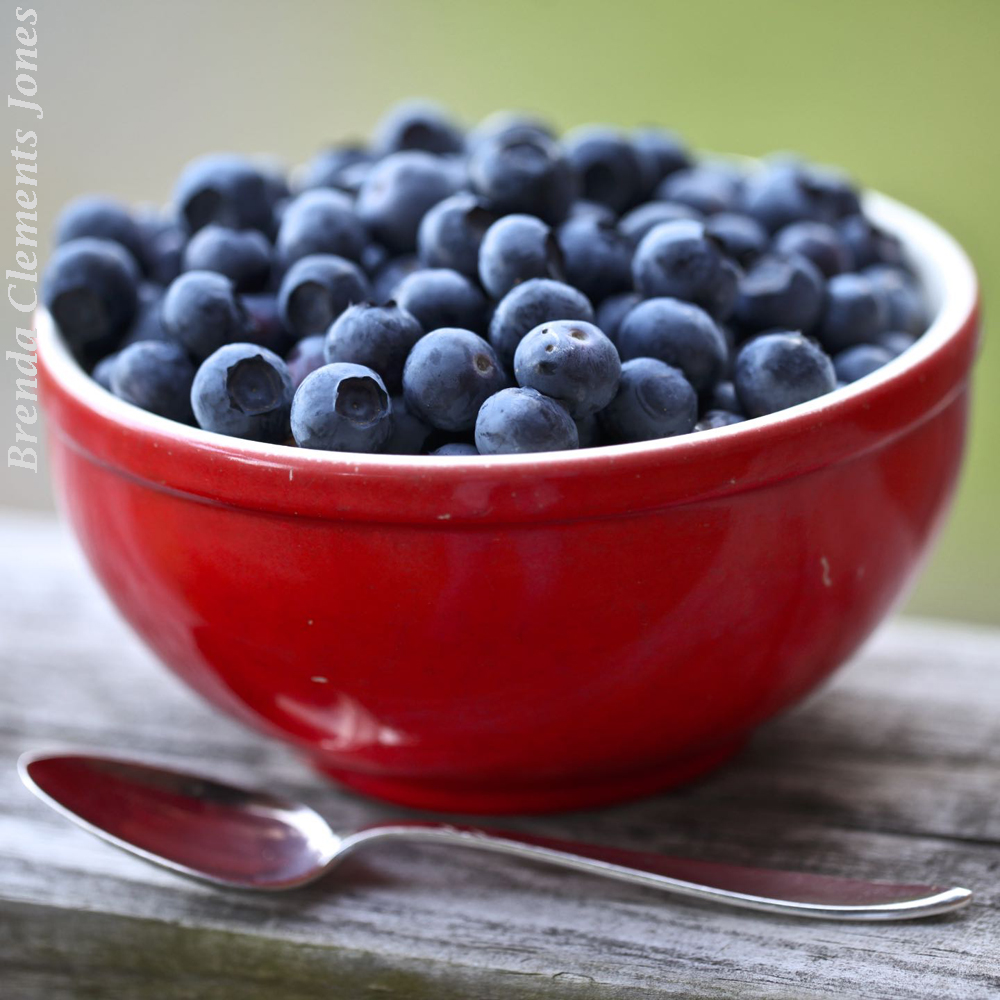
I’m constantly learning things as I dig through my books and page through various sites on the internet. One of today’s new things is the word to describe the color quality of the abdomen of a male Common Whitetail (Plathemis lydia). That word: pruinose, which means frosted in appearance. Makes me think of blueberries which…
-
Hooded Warbler
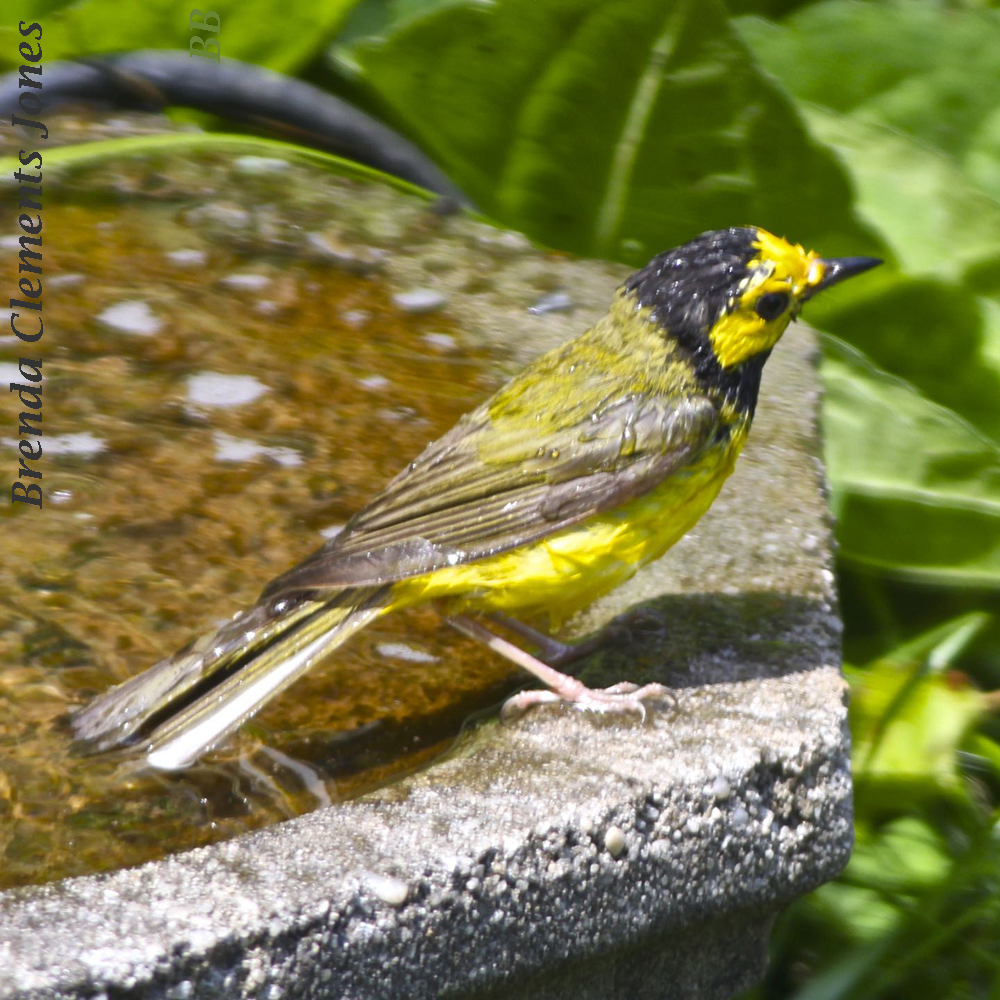
Hooded Warblers (Setophaga citrina) have been delighting me here in the mountains for many years. They spend the breeding season in eastern North America, and the winter in Central America and the West Indies. If you feed the birds during the summer, these birds generally won’t come to your feeders. They spend all their feeding moments gleaning…
-
Pickerel Frog
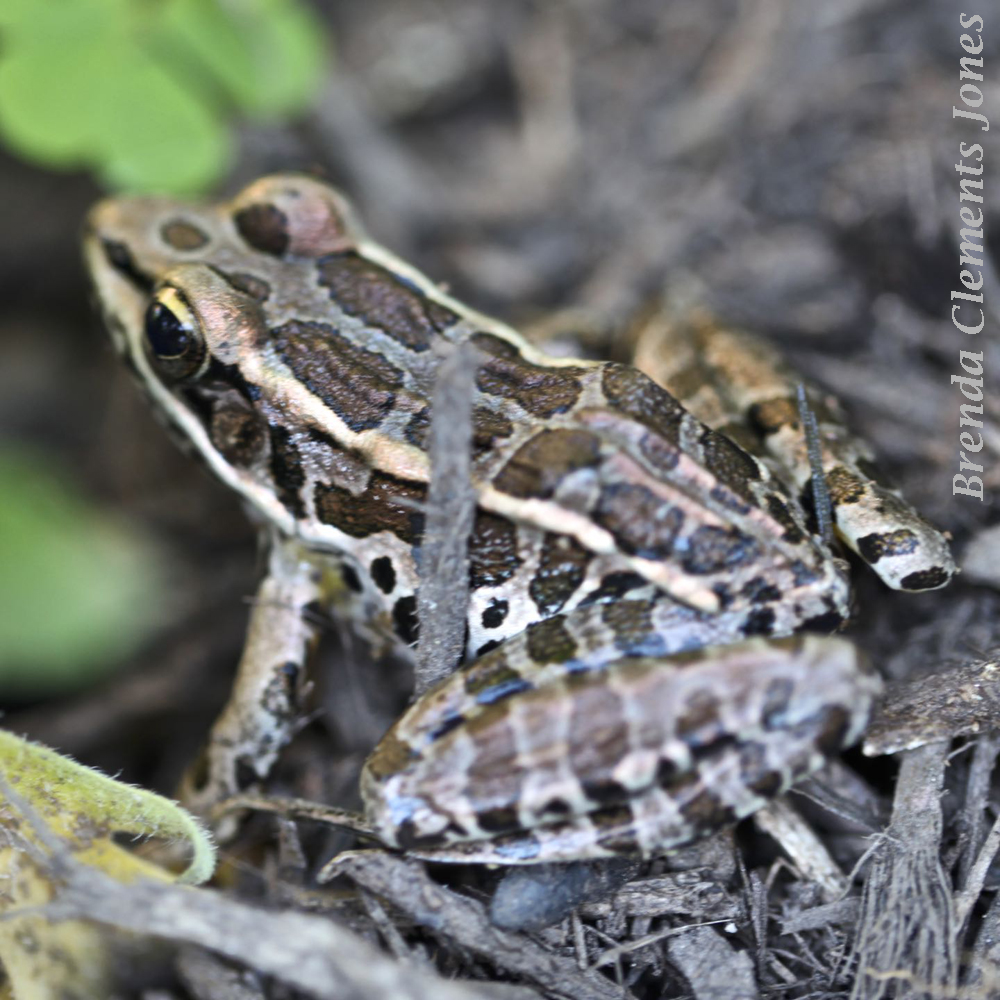
A pond will attract some fun creatures. Even a small man-made pond. Immediately after the pond at my cabin was put in, frogs began arriving. One species of frog that visits is a Pickerel Frog (Lithobates palustris). A word of caution. The pickerel frog is the only poisonous frog native to the United States. You may…
-
Great Spangled Fritillary
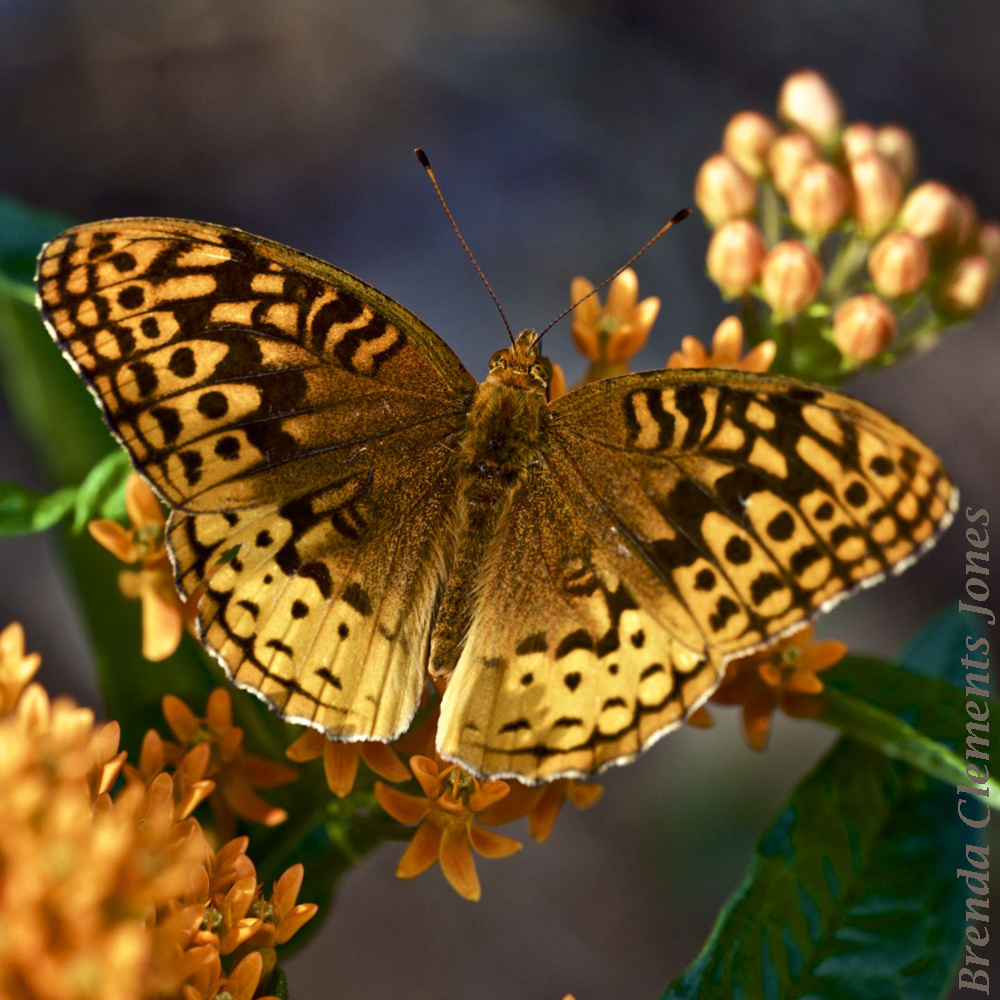
One of many species of Fritillary that depend on native violets as their host plant, Great Spangled Fritillary (Speyeria cybele). They’re seen in the central and northern United States and southern Canada sporting a wingspan of about three inches. Many adult butterflies have a very short life. In contrast, adult Great Spangled Fritillaries live from…
-
Violets for the Birthday Girl
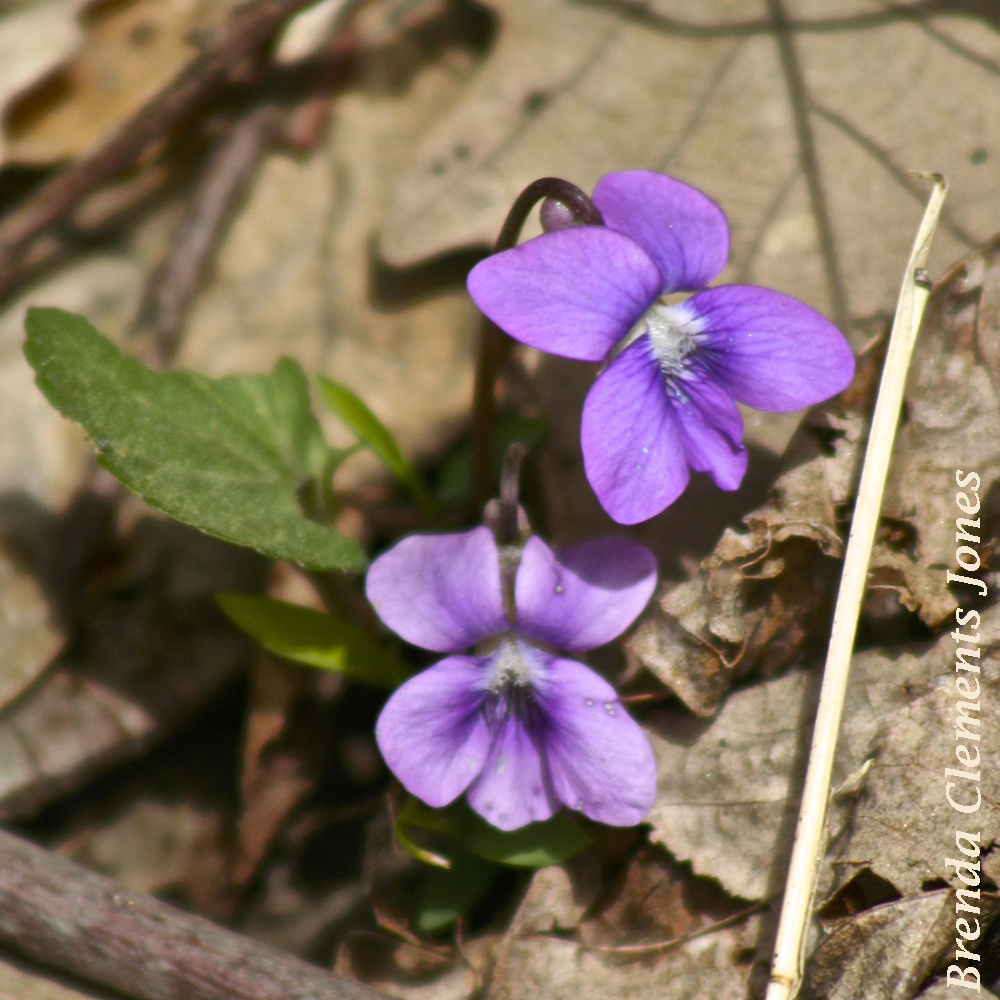
She’s celebrating her 104th birthday. Absolutely marvelous. She’s part of an amazing family. A family that brings love to everything they do. And she loves Violets. So Violets it will be. There are somewhere between four hundred and five hundred different species of Violets in the genus Viola, and those Violets are scattered all over…
-
Red-spotted Purple
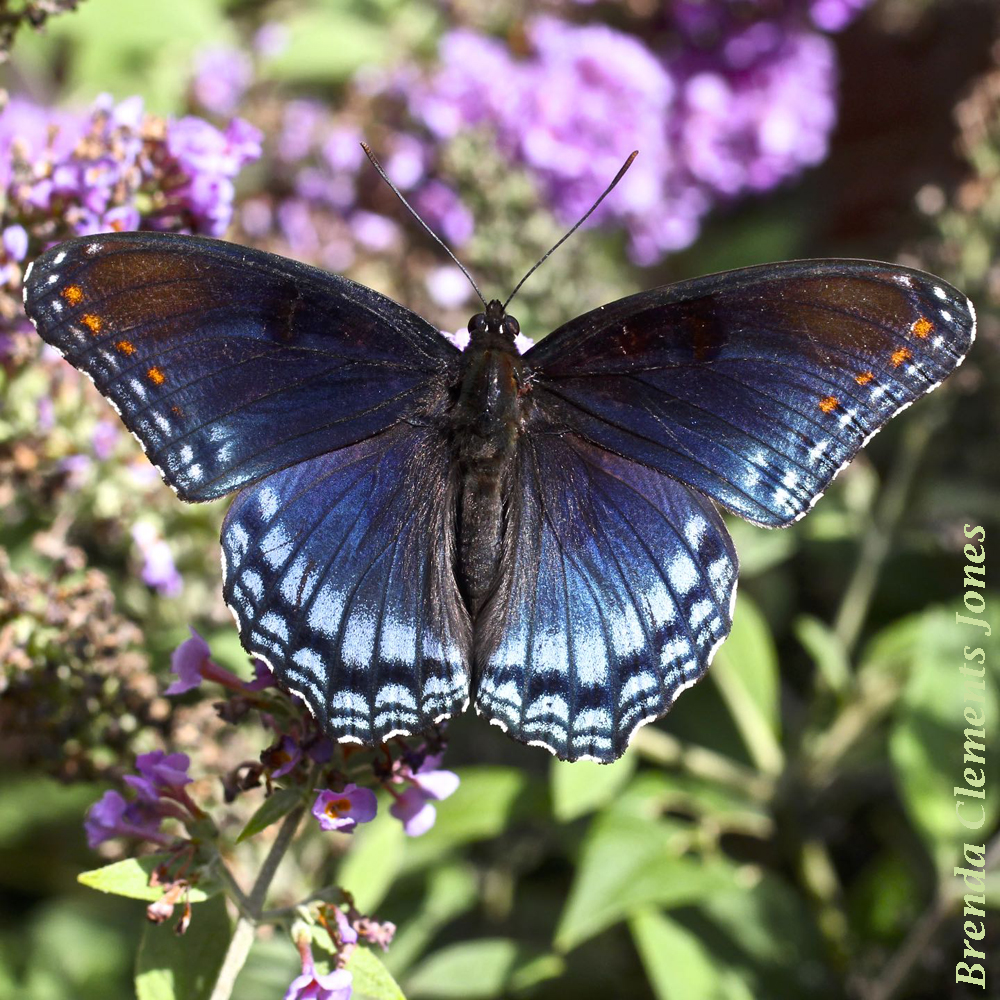
Red-spotted Purple (Limenitis arthemis). With a wingspan of three to three and a half inches. Looking quite handsome with its iridescent blue with tiny orange spots on the dorsal (top) side of its wings. At this point I have to mention that this butterfly is on Butterfly Bush. BUT this plant is NOT in any…