
-
Cedar Waxwings
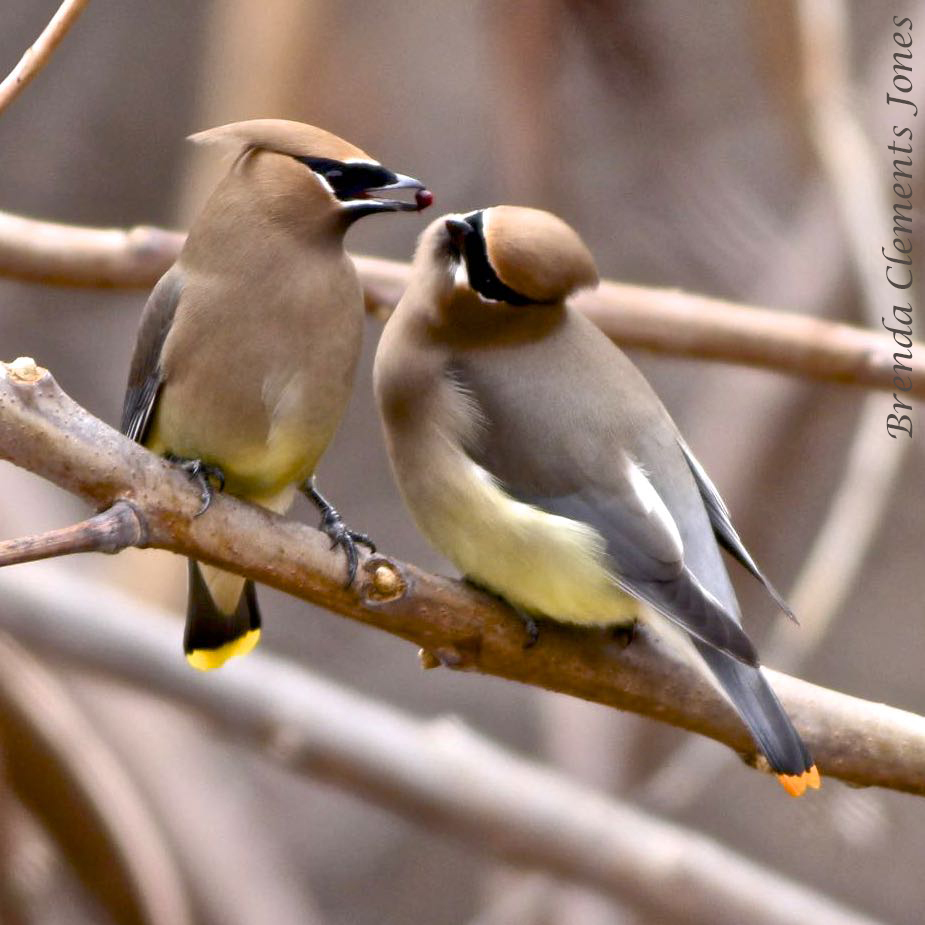
Perhaps you’ve seen this photo in the past. It’s one of my favorite images of the many many that I’ve taken. Surely I’ve used it before. These Cedar Waxwings (Bombycilla cedrorum) are performing a mating ritual in which the pair pass a treasure (in this case a sumac berry) back and forth. No telling which…
-
Cutleaf Toothwort
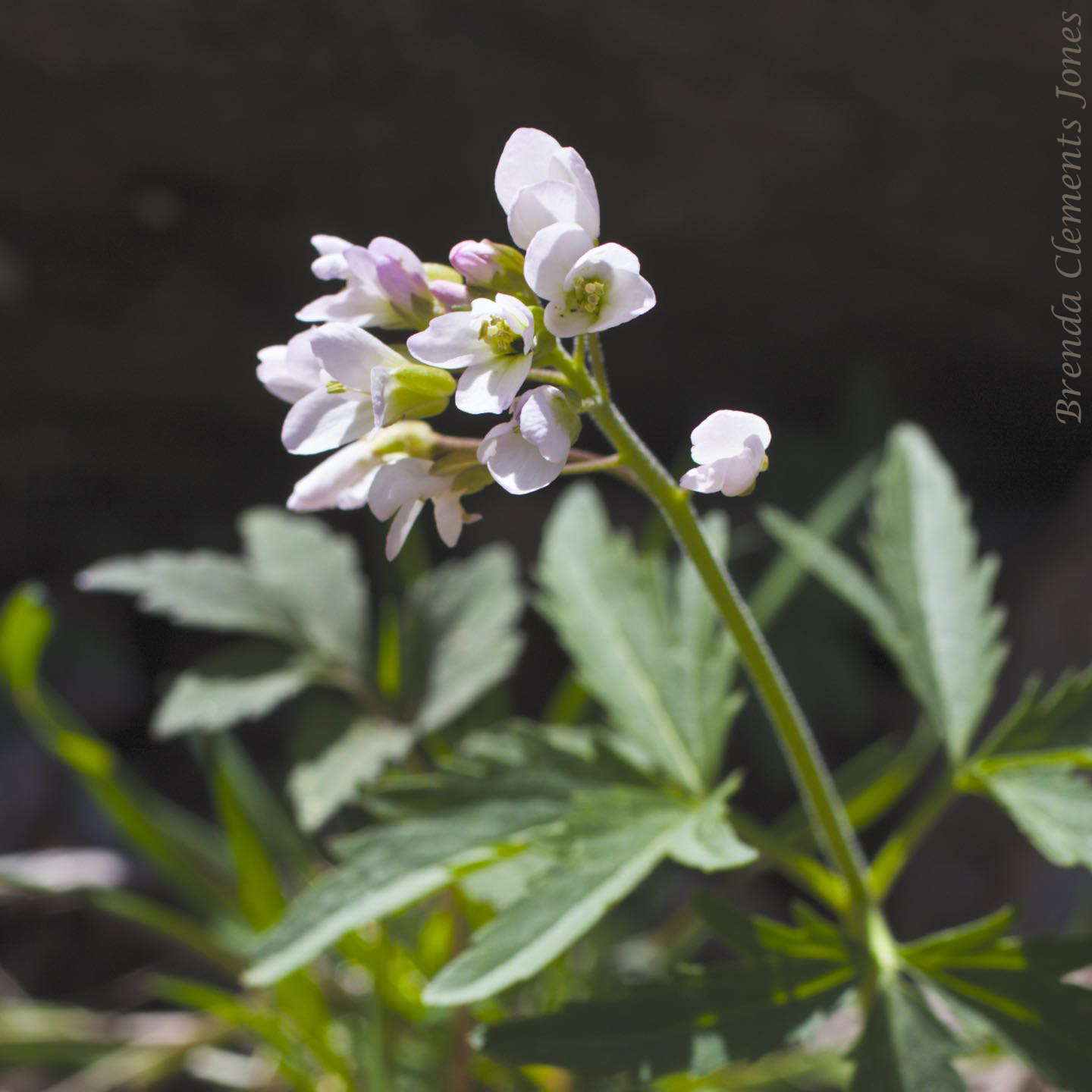
A spring ephemeral, a perennial native to eastern North America. Cutleaf Toothwort (Cardamine concatenata). The “toothwort” of its name is thanks to the appearance of its rhizome. The Cutleaf Toothwort likes woods with mesic soils covered with lots of leaf litter. This certainly must be the description of the woods where I live. Many of…
-
The Middle of March
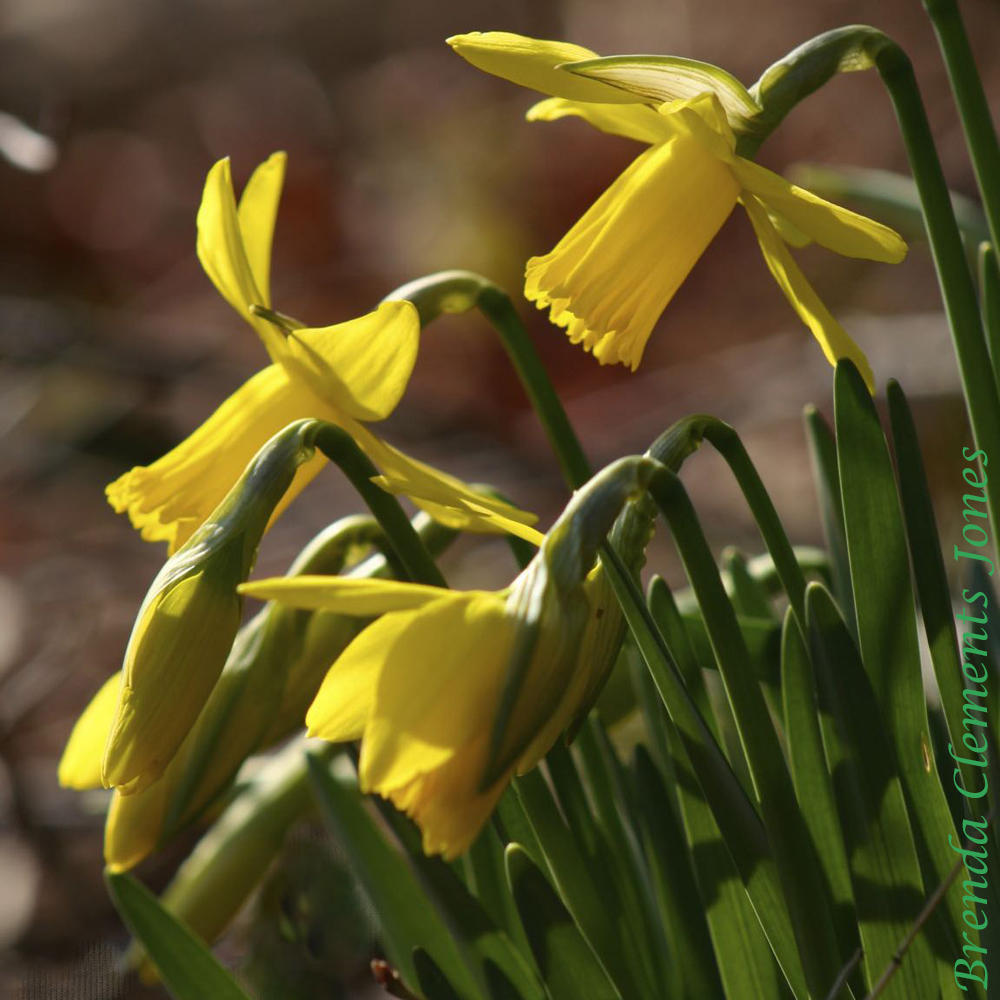
It’s the middle of March and the first of my daffodils are up and blooming. Looking so lovely as they trumpet the arrival of spring. Don’t get too confident though you golden beauties. Mother Nature has a way of bringing surprises. Surprises like SNOW, even in the middle of APRIL!
-
Bear Corn
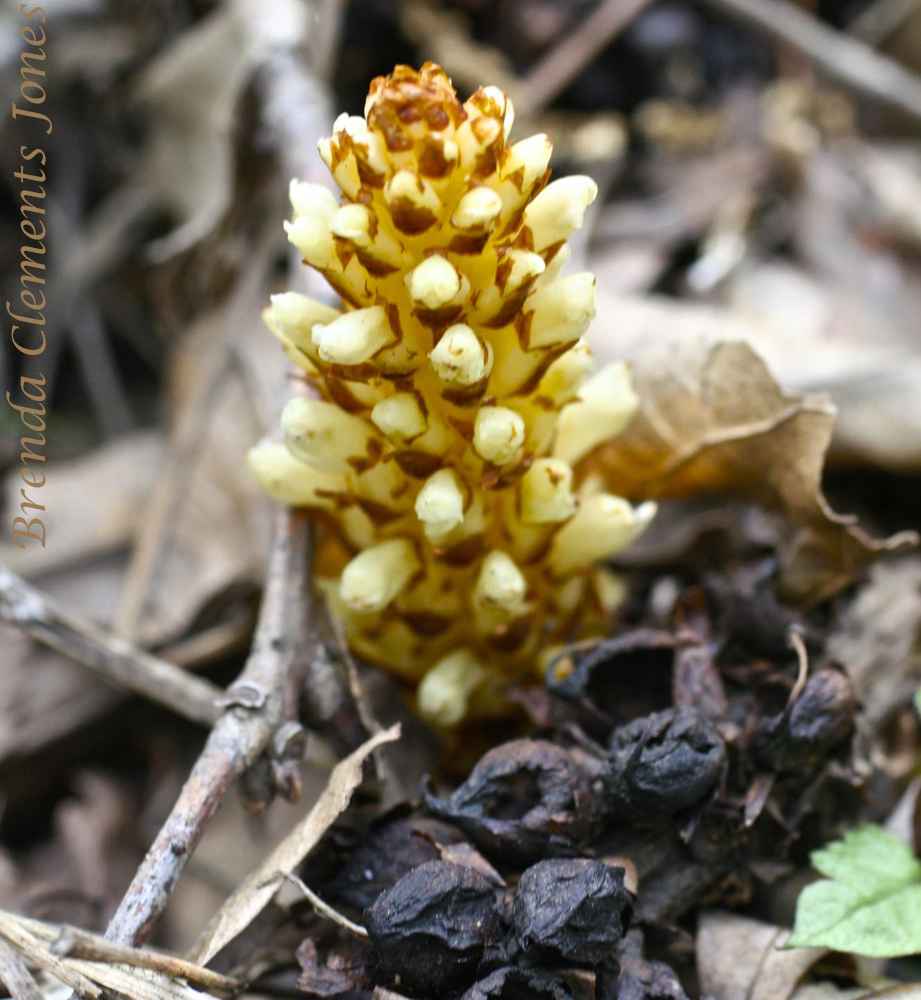
There are so many awesome treasures to be found in the woods. One of those treasures that is right up there near the top of my list is Bear Corn (Conopholis americana). It’s a native to eastern North America. This is a plant that doesn’t have a speck of the color green because Bear Corn…
-
Wild Ginger
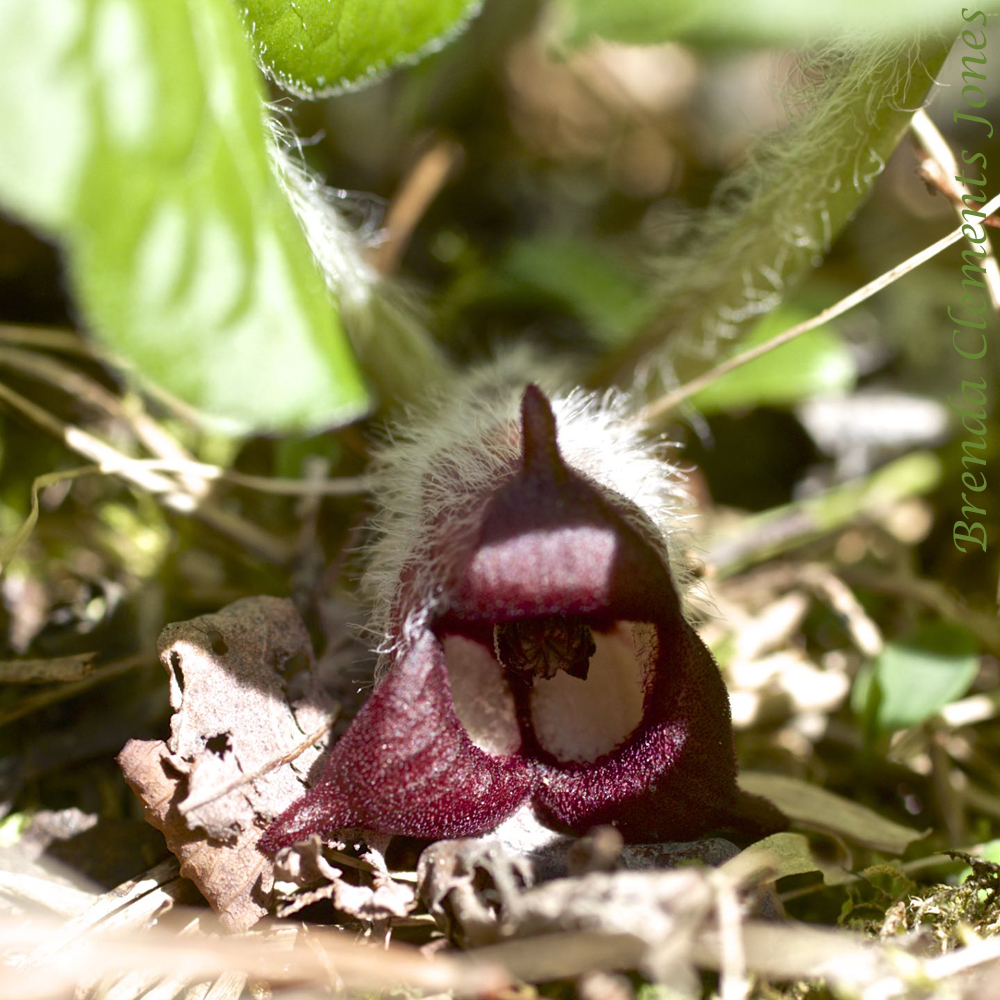
Along the trails here in the Blue Ridge, come April there will be green leaves peeking up through the earth. Take your time as you hike. There’s so much out there to see. Like patches of Wild Ginger (Asarum canadense). Each plant sends up two heart shaped leaves that split at the soil’s surface. At…
-
Wood Poppy Revisited
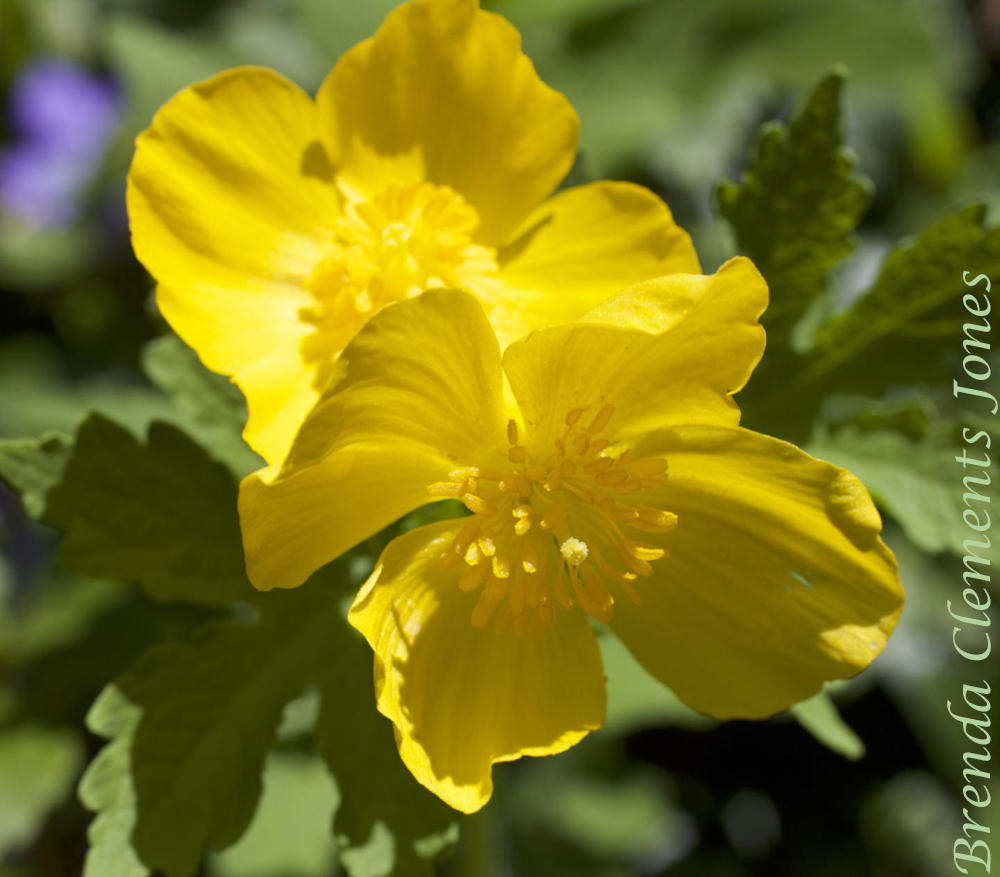
I’ve written about Wood Poppy (Stylophorum diphyllum) before but I enjoy the native flower with its happy yellow so much I’d like to tell you more about it. The deeply lobed green-blue leaves of Wood Poppy are poking up from the surface of the soil here in the Blue Ridge now, as the month of…
-
Eastern Bluebirds
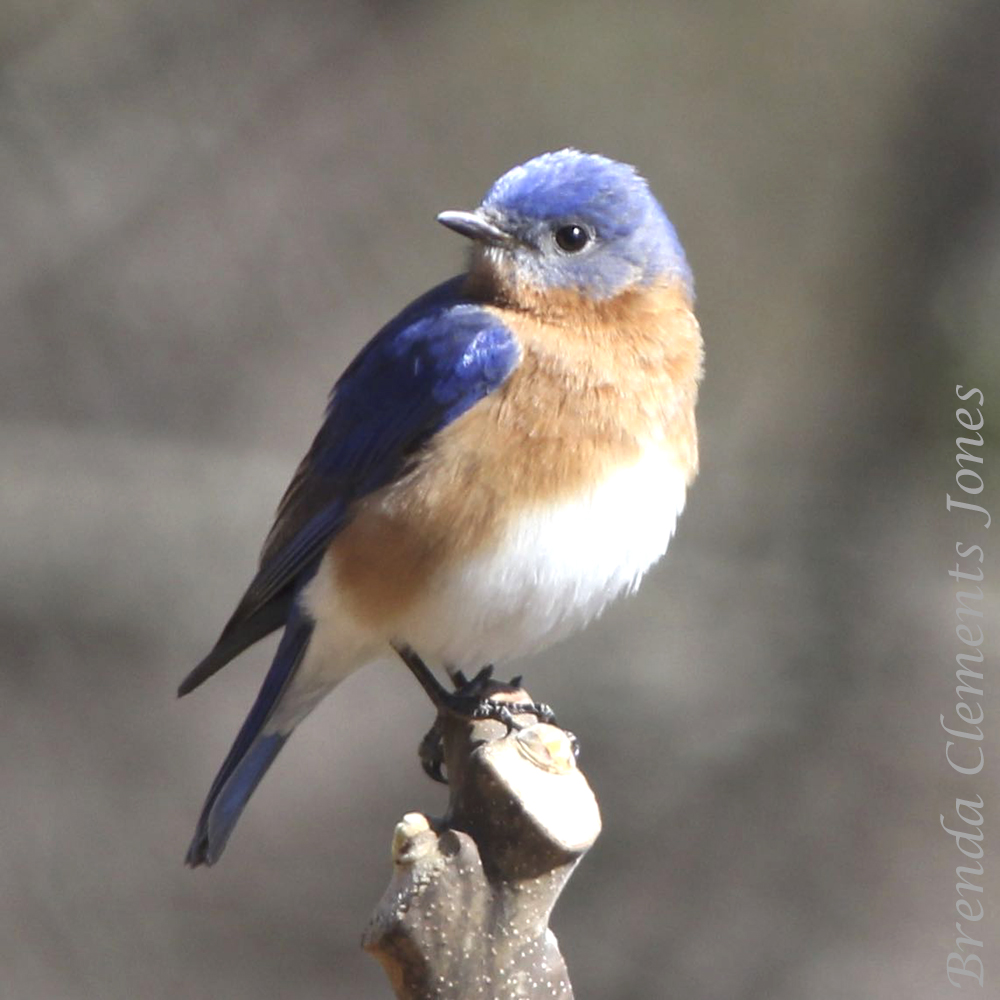
Two Eastern Bluebirds (Sialia sialis) in search of rental property. One room nesting box would be perfect. Buffet complete with mealworms also desired.
-
Wood Betony
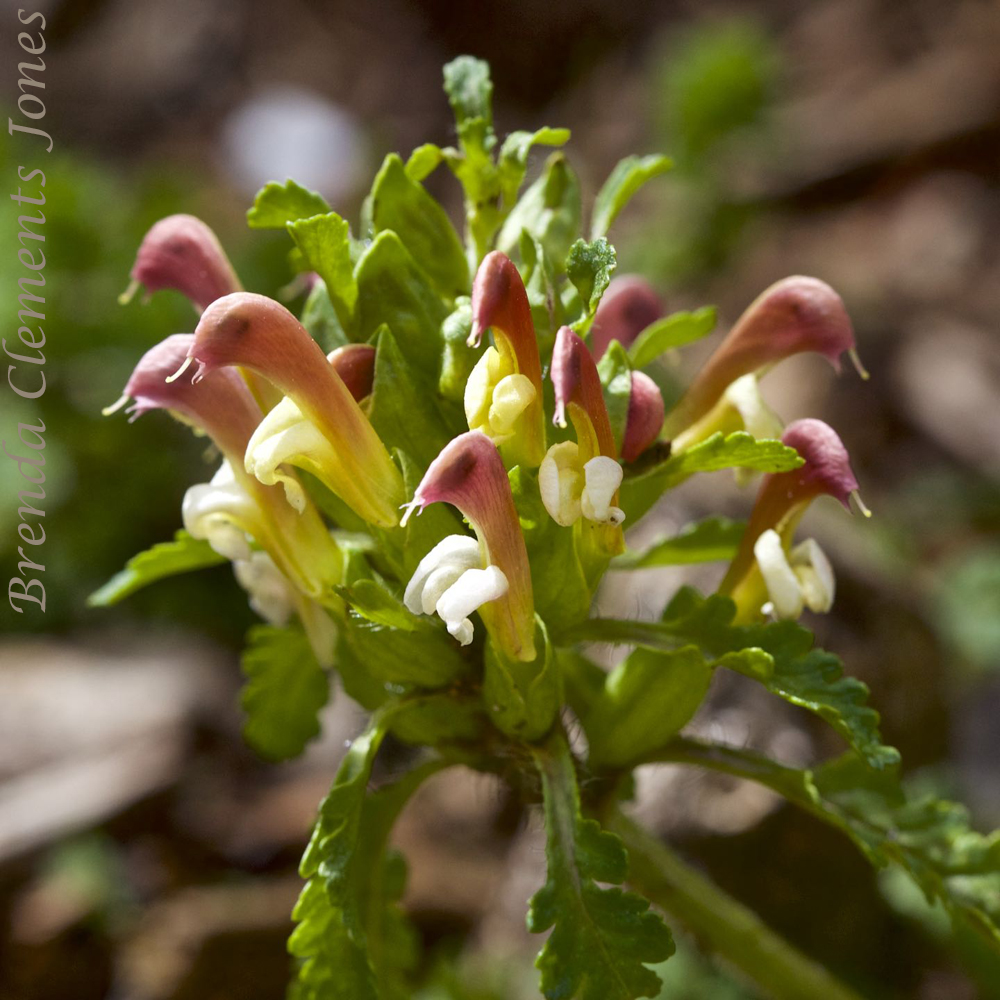
This native perennial is found in southeastern Canada, eastern North America (as well as New Mexico and Colorado) and eastern Mexico. Wood Betony (Pedicularis canadensis). The first time I ever saw this plant was along a trail here in the Blue Ridge. As is often the case, I took a picture of the flower, went…
-
More Eastern Phoebes
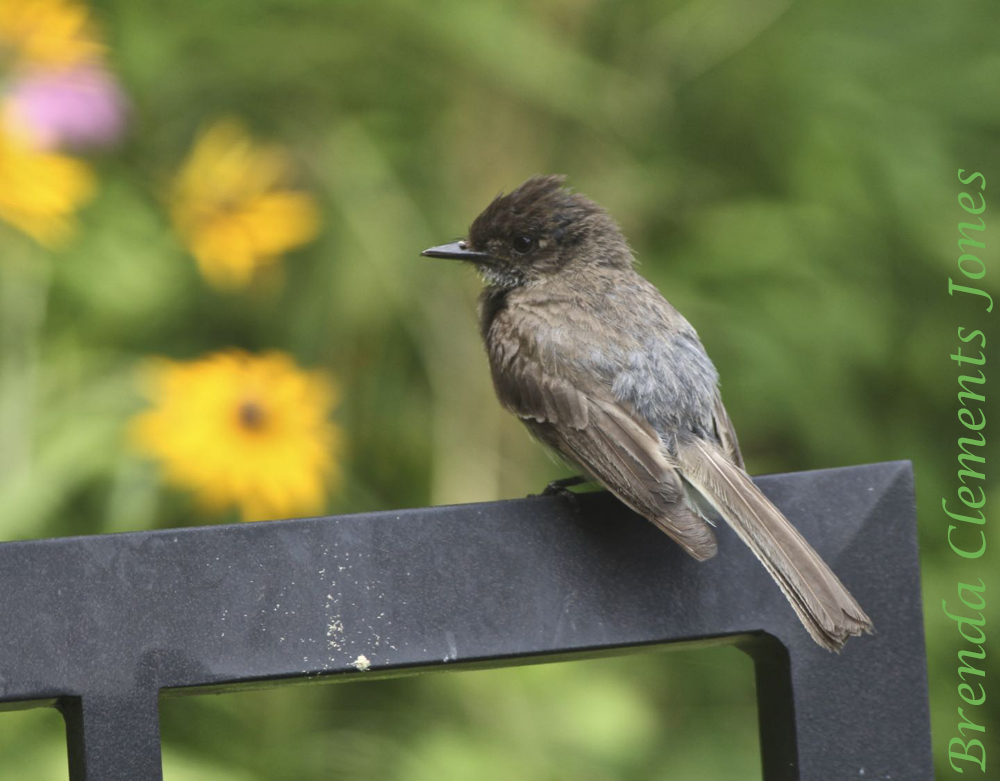
That bobbing of the tail and saying its name makes identification of the Eastern Phoebe (Sayornis phoebe) mighty easy. Many bird songs baffle me, but this one is easy. Just think “fee-bee” (Phoebe) and you’ve got it. I was delighted as I was refreshing my memory about what Phoebes eat to see that they not…
-
Tulip Poplar
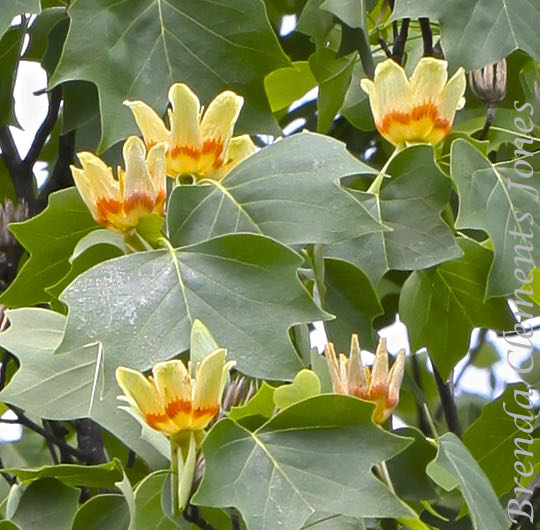
The first tree I remember getting to know. Growing right next to our patio. As a little one I’d listen for its “heartbeat” and give it “injections” though now I’m sure it was totally healthy. Back then I had the title of “Tree Doctor” and would take care of it. A Tulip Poplar (Liriodendron tulipifera).…