Time Travel and Hackberry Emperors

Come with me while I do a bit of time travel. Leaving the snow, ice and invigorating cold, we emerge in the sweltering heat and humidity of midsummer. Be sure to bring along your insect spray. Ticks are everywhere. And watch where you step, snakes are active too.

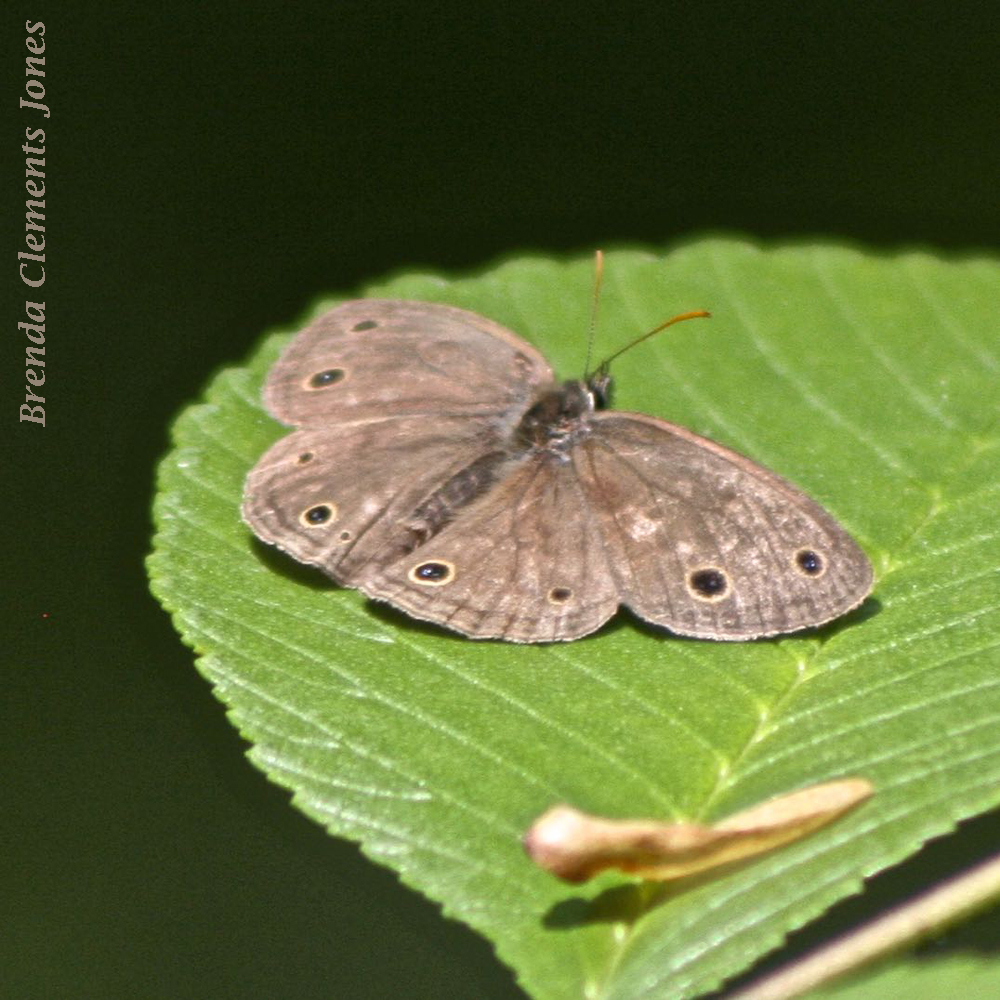
I’ve come upon these photos of Hackberry Emperors (Asterocampa celtis) as I’m going through my innumerable images, giving them keywords, so that I can find them. An ever present task. A must. You wouldn’t believe how many picts I have. Impossible to find things without those keywords.

And here we have brown winged insects. These Hackberry Emperors are not moths but are butterflies. Not impressive colors like many would expect but nonetheless butterflies. The “Hackberry” of its name is this butterfly’s only host plant and is the food source for its larvae. And now, traveling back to beautiful cold winter.

Flicker in the Tulip Poplar

Northern Flicker (Colaptes auratus). A woodpecker that normally is seen on the ground, searching for ants, beetles and grubs. They pound into the soil in a way similar to what you’d expect to see other woodpeckers doing, pounding into a tree.

As with most other insect eaters who are in this wintery land, Flickers switch to berries, fruits and seeds during the cold months. They have a long list of things they seek out to dine on including poison ivy berries, dogwood berries, sumac berries, wild cherries, grapes, bayberries, hackberries, elderberries, sunflower and thistle seeds. I’m grateful to this amiable Flicker that struck some great poses for me in a Tulip Poplar.

The Name, Tufted Titmouse

It all began long long ago, in the 14th century when the Old English name for bird, “mase,” and “tit,” meaning something small, were put together to represent the Tufted Titmouse. Time went by, the word “mase,” morphed into “mose” which eventually became “mouse” and took on new thoughts of what it means. A quick little rodent?

They certainly do make one think of a little mouse. But we’ve got to remember that it’s not named because it resembles a mouse but it’s a “little bird!”

The Tufted Titmouse (Baeolophus bicolor), a very common bird at my feeders and in the woods around my cabin. And it seems their best buddies are Chickadees. I see them so very often together. They’re close cousins, members of the family, Paridae.

Berries on the Winter Diet

They eat insects spring, summer and autumn but when the Hermit Thrush (Catharus guttatus) arrives here for the winter, insects aren’t prevalent. Fruits and berries fill in for that lack. A favorite in this image, Smooth Sumac (Rhus glabra). A favorite for many birds and a favorite of mine for its drawing power. The power to attract birds.

Busy Day at the Edge of the Woods

Here in the woods I’ve still got patches of snow from last week, and today’s temperatures were mighty cold. Birds gathered ’round the feeders, the birdbath, and the bushes that still have countless berries on them. Consuming calories which will go a long way toward keeping them warm. Keeping warm, something they’re constantly working on during the winter. The body temperatures of birds range from 100°F to 110°F and are generally about 104°F. Like a human putting on a warm coat during the winter, birds have 35 to 70% more feathers than during the summer. An increase in outer contour feathers as well as down feathers.

Yes, a busy place today. With Song Sparrows, White-throated Sparrows, Cardinals, Juncos, White-breasted Nuthatches, Robins, Robins, Robins, Cedar Waxwings, Yellow-bellied Sapsuckers, Tufted Titmice, Downy Woodpeckers, the ever-present Chickadees. And a few Hermit Thrushes (Catharus guttatus), including one that was kind enough to pose for me for the photo above.

Patiently Waiting for the Snow

Trying to remain calm. I’ve flushed my ice cubes as is my tradition. Wonder if little granddaughter has done the same. Quite likely, we often think alike. Now to distract myself. Focus on months from now when snow is certainly not to be expected. Late April when Red Maple (Acer rubrum) trees are leafing out. Flowers are gone, turned to samaras. Winged seeds getting ready to delight children and playful adults who know to look for such diversion. Can’t get the images out of my imagination though. Just a couple days away. Sunday afternoon. SNOW!

Crimson in a Black and White Landscape

Late May into June they go from tiny bud to minuscule flower.

A flower and lots of buds of Winterberry (Ilex verticillata). A deciduous species of Holly native to eastern North America in the United States and southeastern Canada.

And now in WINTER a big splash of color. Crimson berries that attract oodles of birds like Bluebirds, Hermit Thrushes, Robins, Catbirds, and Cedar Waxwings. Brilliant color in a black and white, pen and ink landscape.

Magic in the COLD

What might look like the edge of a ringed planet in deep space is actually ice in a vernal pool.

A White Oak (Quercus alba) leaf frozen in ice.

Another White Oak leaf on the surface of the ice. Or are those ripples of that same deep space?

And here, a forest of minuscule trees with limbs of frost. Or grass blades decorated with ice.

Vernal pools aren’t there all the time. They’re small, shallow, ephemeral bodies of water. A depression that is filled occasionally with rain and snow melt then dries up again. This particular one had been there dependably for what seemed like years until this past summer. Then, POOF! It was gone. Its ephemeral aspect took over. But, much to my delight it is back, providing my imagination a place to play. My camera a source of photographs.

A Winter Essential

It’s wonderful to feed the birds. They become friends, these little feathered visitors. But there’s something more they need – water, not frozen water, but water in liquid form. So many birds gather ’round my birdbath. I know they appreciate it.

I’ve recently had questions about what water warmer I use. I wouldn’t recommend one unless I had total faith in it and that certainly is the case with the one I use. I can’t tell you when I bought it. It was that long ago. And I’ve only had this one all these years. So, yes, I’d recommend this one. In case you can’t quite see the labeling, it says, FARM INNOVATORS, INC DE-ICER 50 WATTS 120VAC. I’ve checked on the Internet and I see that they’re still available at a variety of prices. Hoping you have a water warmer already, or can find one for your bird friends.