-
Camouflaged Looper
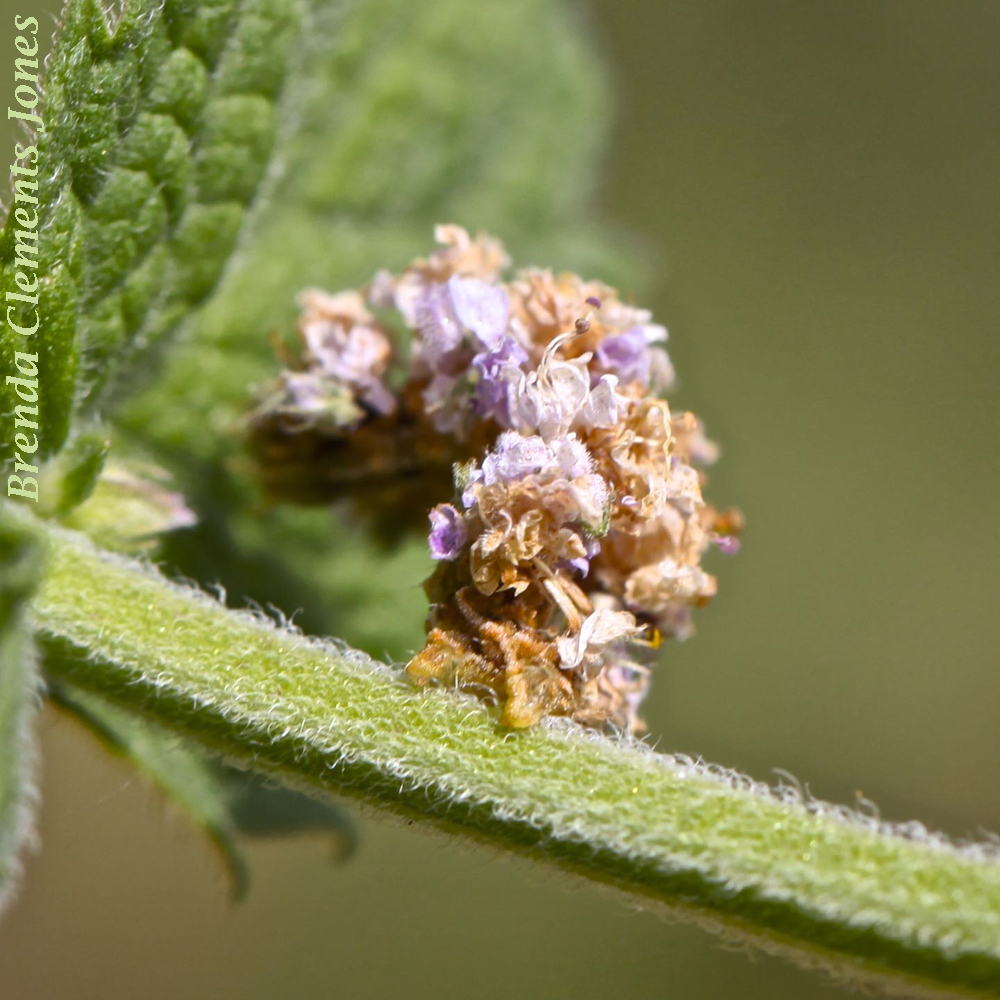
And the award for the best costume goes to the Camouflaged Looper (Synchlora aerata). A little inch worm which generally is no larger than 1/2 inch in length. The challenge of the Camouflaged Looper being an inch worm is that inch worms are a favorite food of many birds. And this challenge is met with…
-
Imperial Moth Caterpillar
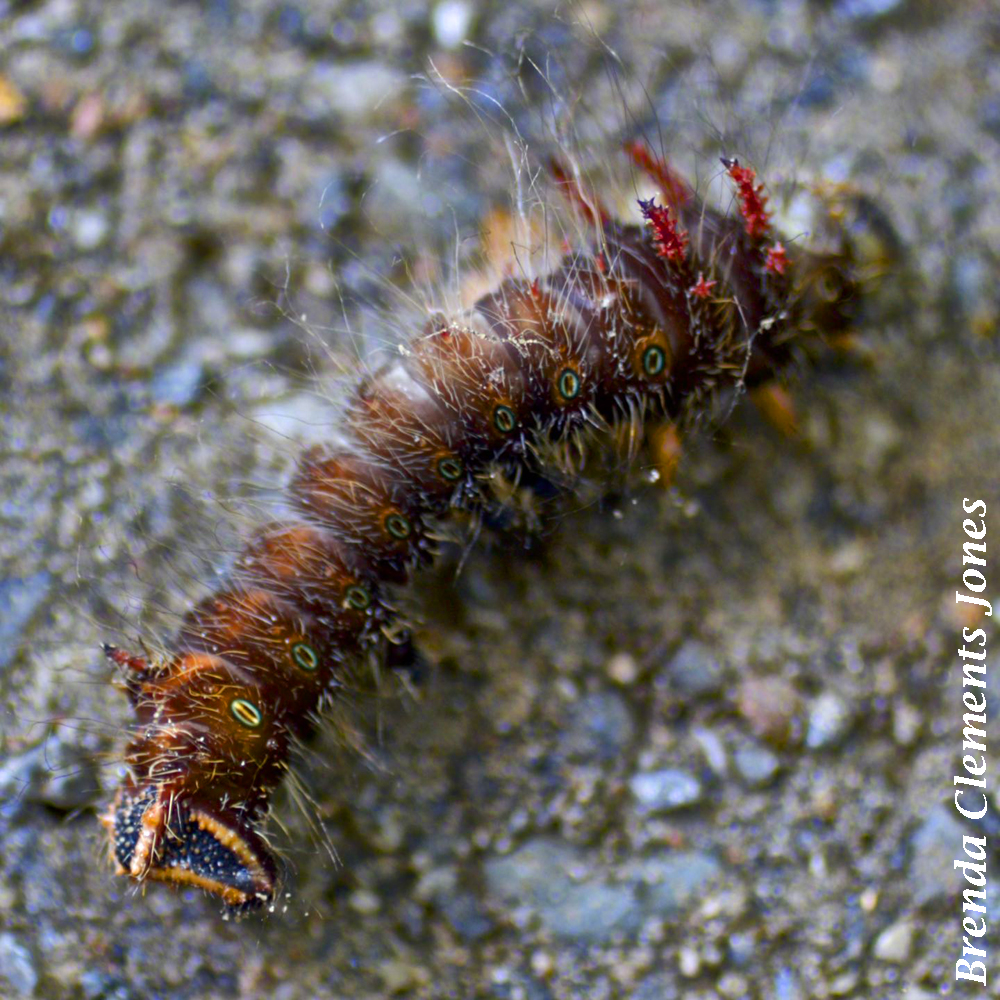
Imperial Moth Caterpillar (Eacles imperialis). One of our largest caterpillars. The last instar, or larval stage, can grow to be 5.5 inches long. As an adult the Imperial Moth is mighty big too. Its wingspan ranges from 3 to 7 inches. They’re found from Quebec and Ontario to as far south as Argentina, from the…
-
Blackhaw Drupes
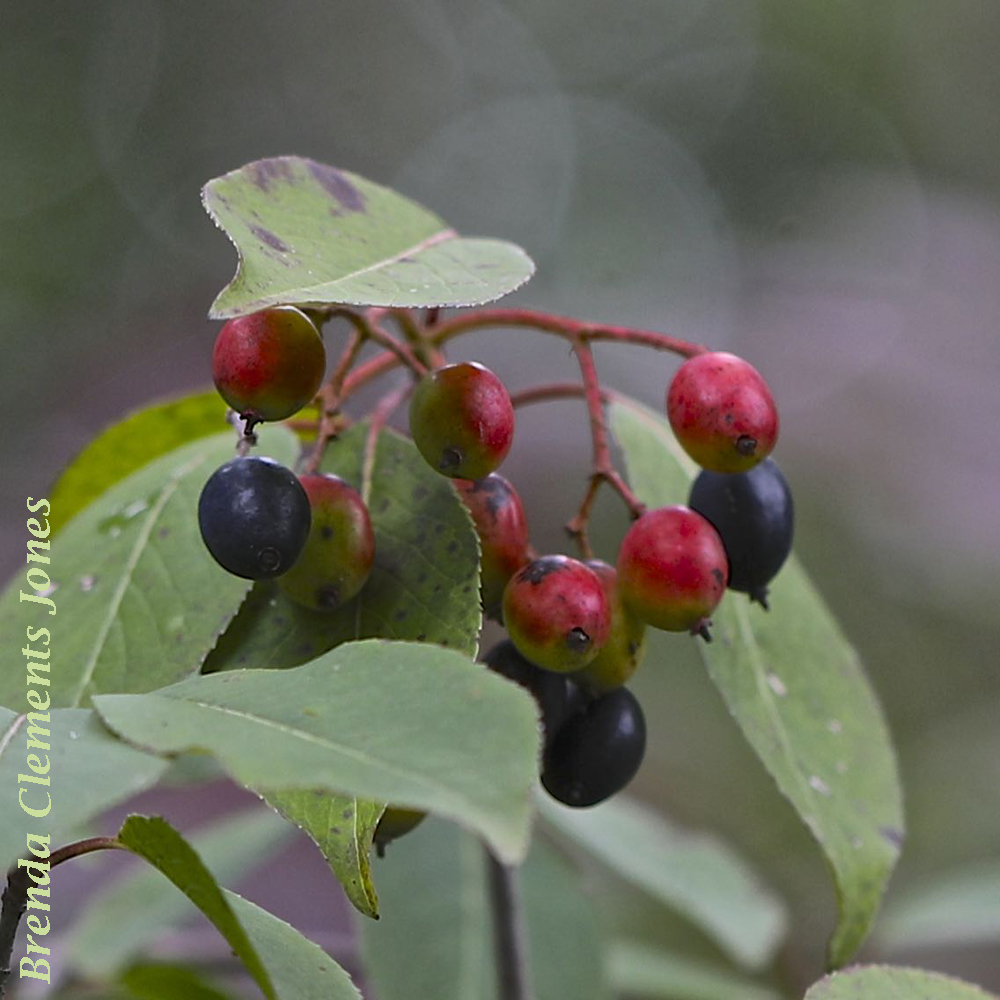
What are drupes? In botany a drupe is a plump fruit which does not split open when ripe, with a thin skin and a central shell containing a single seed. Examples are Almond, Cherry, Peach, Elderberry, Olive, Coffee, and Coconut. And of course Blackhaw (Viburnum prunifolium) seen in the picture above. Right now in the…
-
Honey Bee
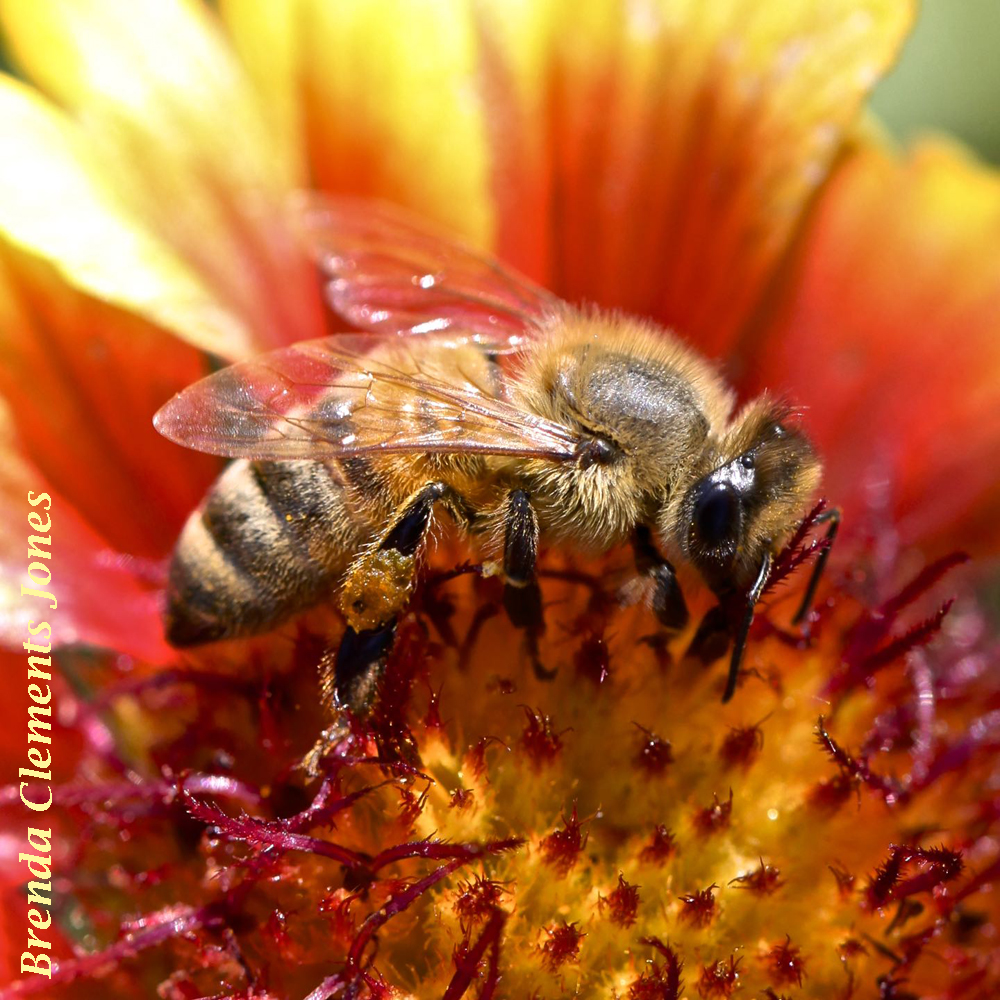
Honey Bee (Apis), surrounded by autumnal color in the center of a Gaillardia, collecting both nectar and pollen. Honey Bees need nectar and pollen for their colony. As they collect the pollen it is unwittingly distributed among other flowers, providing a helping hand, pollinating those flowers. The pollen provides nutrients including protein, which is used…
-
Pokeweed
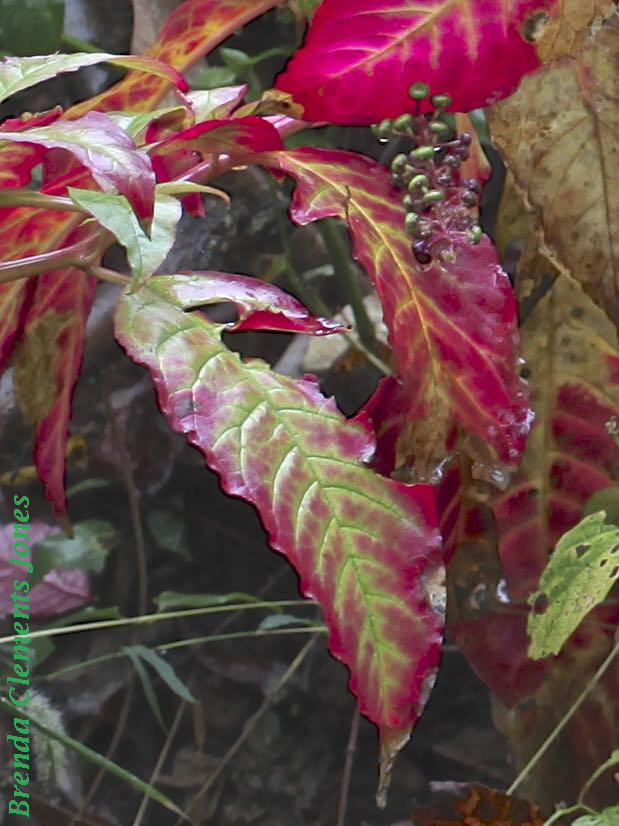
Pokeweed (Phytolacca americana). A poisonous, herbaceous, perennial plant with red stalks that can grow to be 3 to 10 feet tall. And under perfect conditions can reach more than 20 feet tall. It’s native to eastern North America, the Midwest, the South, through Texas, New Mexico and Arizona to the West Coast. All parts of the plant…
-
Blue Jay
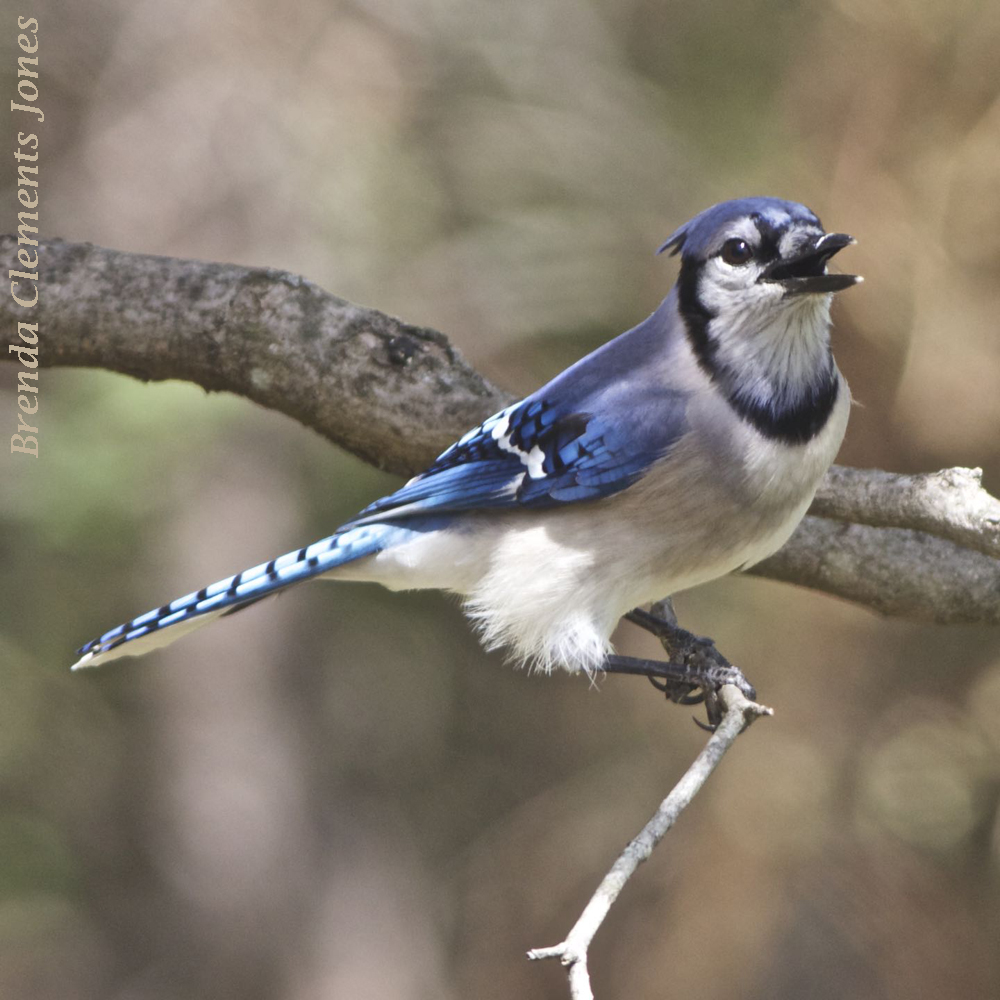
Blue Jay (Cyanocitta cristata). Beautiful and exceptionally intelligent birds. They’re mimics. Included in their repertoire, are the calls of many hawks, particularly the Red-shouldered Hawk, and some owls. Predators that Blue Jays will avoid. Males and females are alike except that males are a bit larger. They are monogamous, staying together for life. Both participate…
-
Sycamore Tree

Sycamore Tree (Platanus occidentalis). In fall, a speckled symphony of autumnal color. A tree seeming to have a marble trunk. A tree that enjoys a riparian life. Streams become easy to spot. Marbled trunks meandering through the woods following the stream. A bark that drops off in patches. Patches that might be perfect for writing…
-
Black-throated Blue Warbler
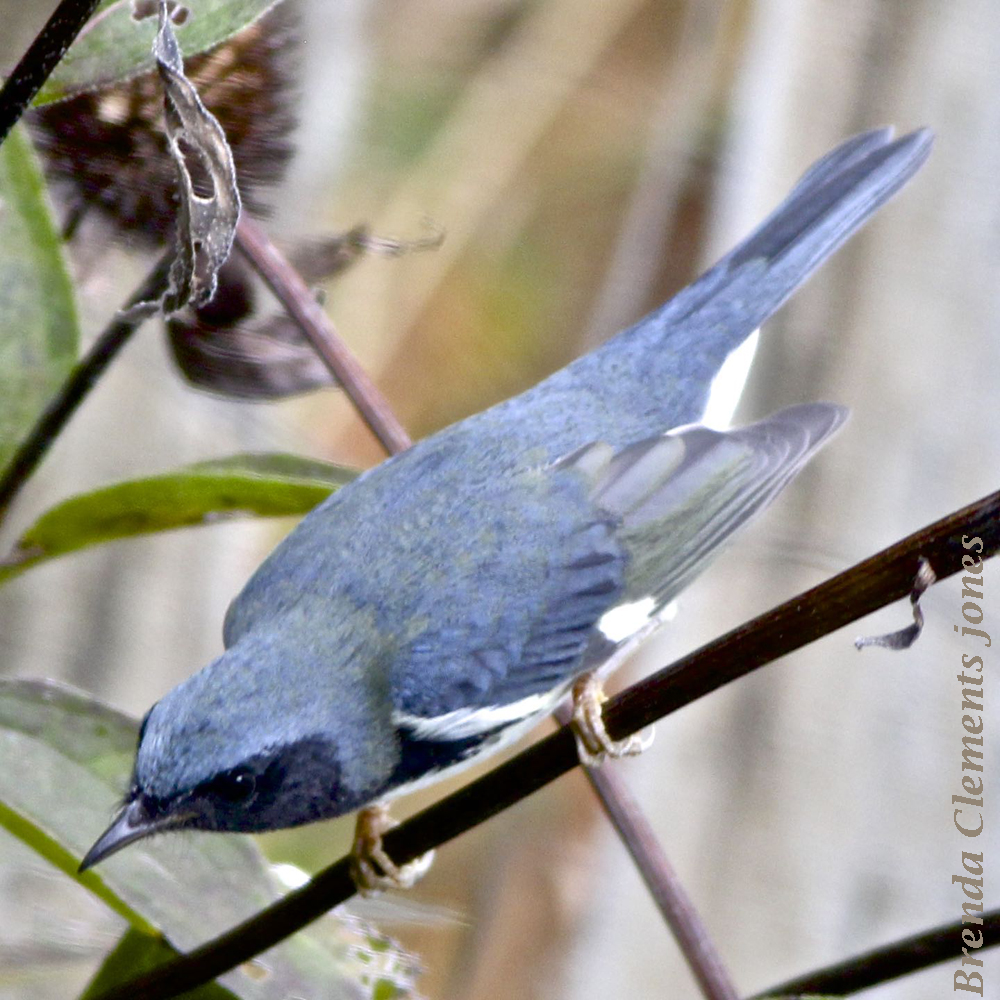
Stopping by for a meal on the way south. A Black-throated Blue Warbler (Dendroica caerulescens) enjoys the seeds of Purple Coneflowers that I’ve left for the travelers. My gardens may look untidy, but they are a way of welcoming these birds as they pass through. Birds that are migrating long distances during the dark of…
-
Correction: Not Creeping Cucumber But Mexican Sour Gherkin

UPDATE: There was great surprise when these cute miniature watermelon looking things were discovered in the vegetable garden. The two of us scratching our heads. What in the world could these be? I immediately put on my detective hat and began digging through the vast world of the Internet. I thought I found the answer…
-
Virginia Creeper

Virginia Creeper (Parthenocissus quinquefolia). If Virginia Creeper had the ability to party, this would certainly be its time. Sunlight shining through brightly colored leaves of vermilion. Glowing way up in the tree tops. Decorating the woods. For that long list of party attendees. If Virginia Creeper had the ability to party, this would certainly be…