-
Larger Elm Leaf Beetle
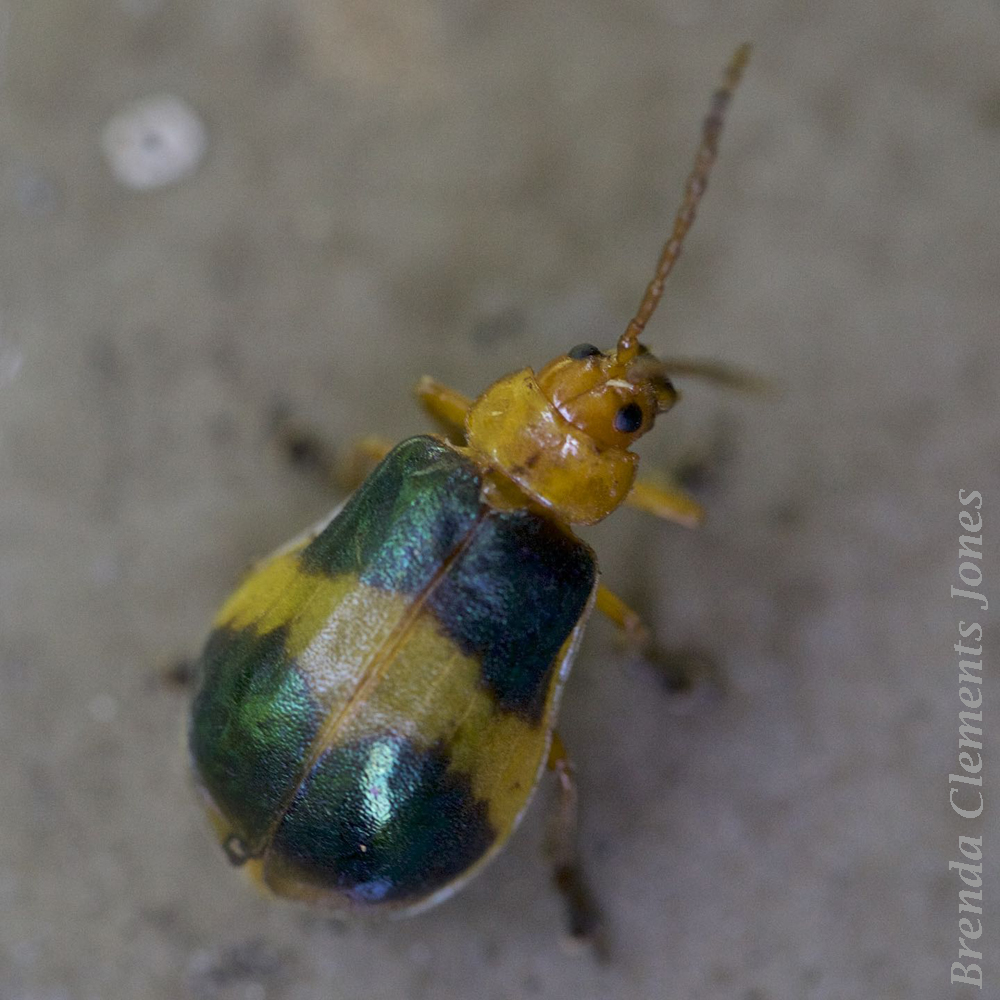
Quite a pretty beetle with its colorful iridescence, the Larger Elm Leaf Beetle can be found in the eastern and southeastern US, from Florida west to Kansas and north to Pennsylvania. Elm is a favorite tree that this beetle feeds on, but it also skeletonizes the leaves of Hawthorn, Hazelnut, Flowering Dogwood, River Birch, Pecan…
-
Red-eyed Vireo
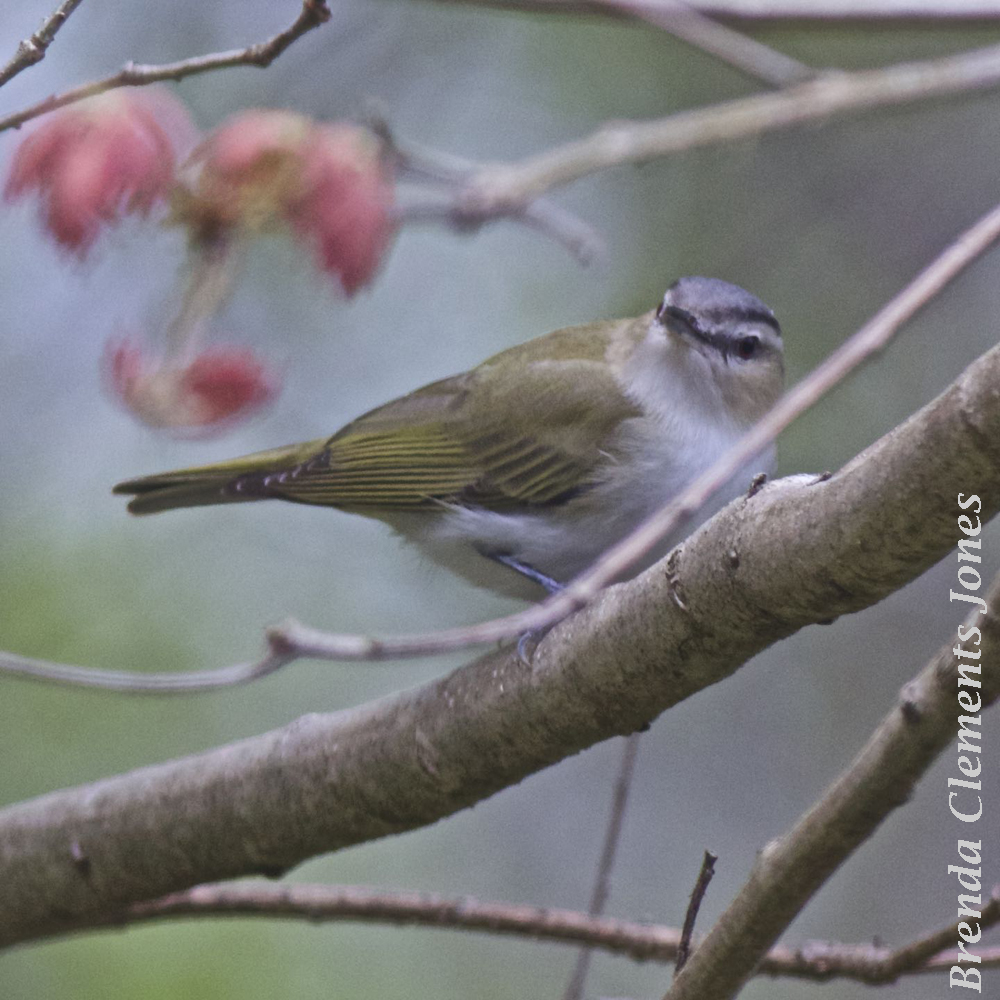
The Red-eyed Vireo (Vireo olivaceus) is a summer resident here at my Virginia cabin. They are constantly reminding me that they’re around, though I seldom see them. Their normal place to be is high up in the tree tops while hunting for their meals, out of sight. Their summer diet is predominantly insects of all…
-
A Difference Between Moths and Butterflies
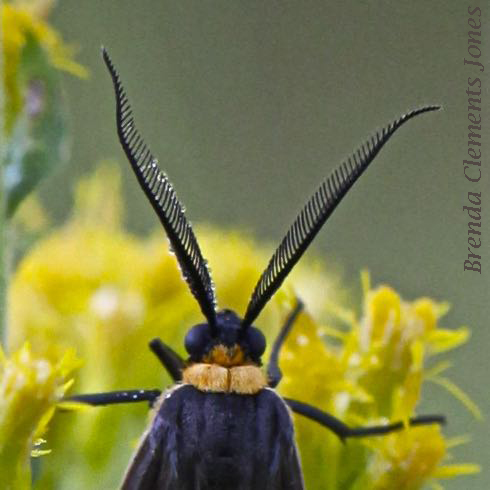
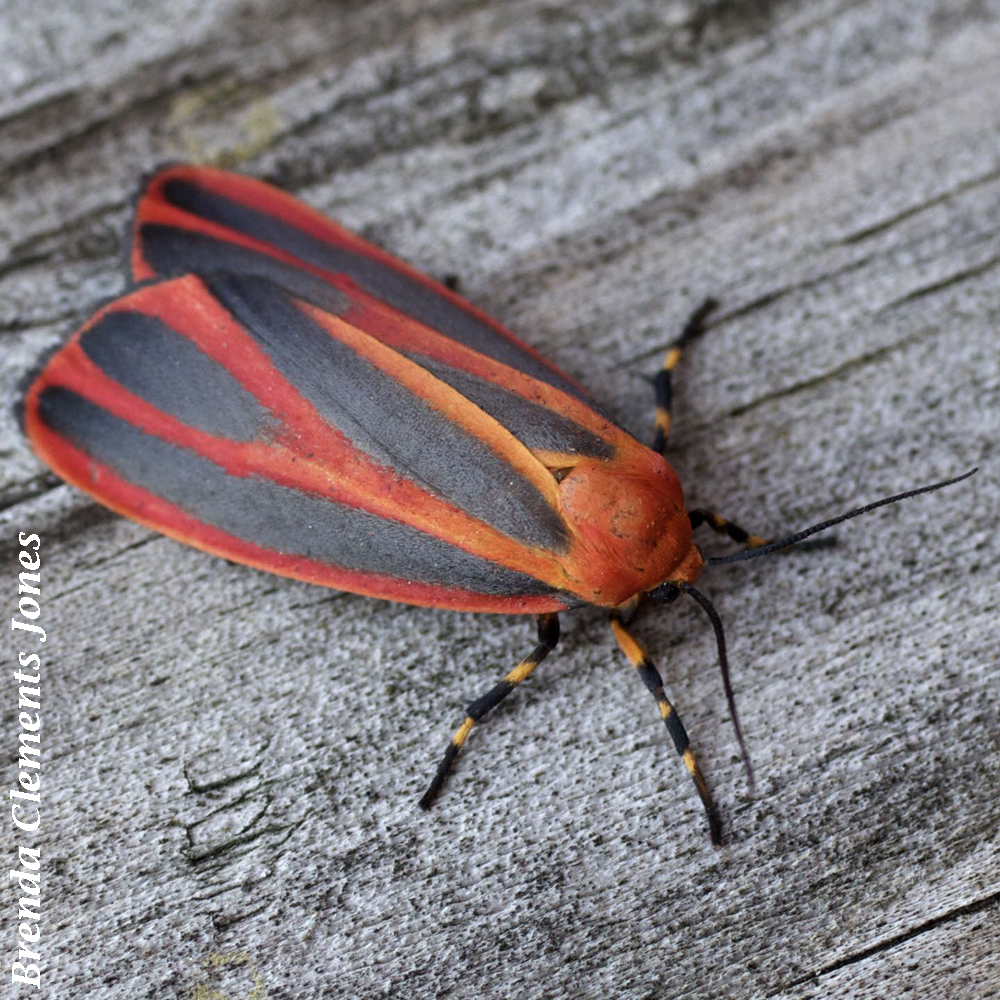
I keep reading about moths having drab colors and butterflies having bright colors. Don’t depend on that to decide which you are looking at. There are brightly colored moths. And there butterflies that have dull colors. I also see it being said that moths are small and butterflies are large. That can’t be depended on…
-
False Crocus Geometer
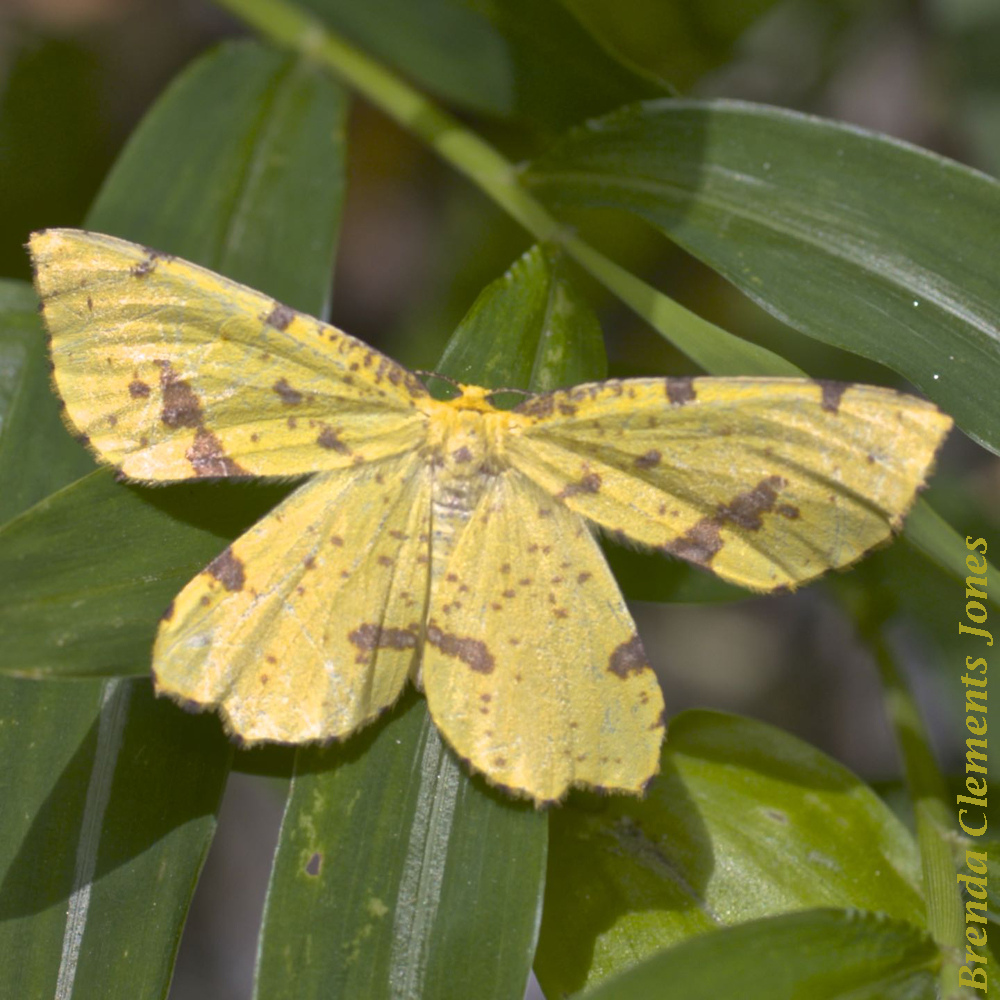
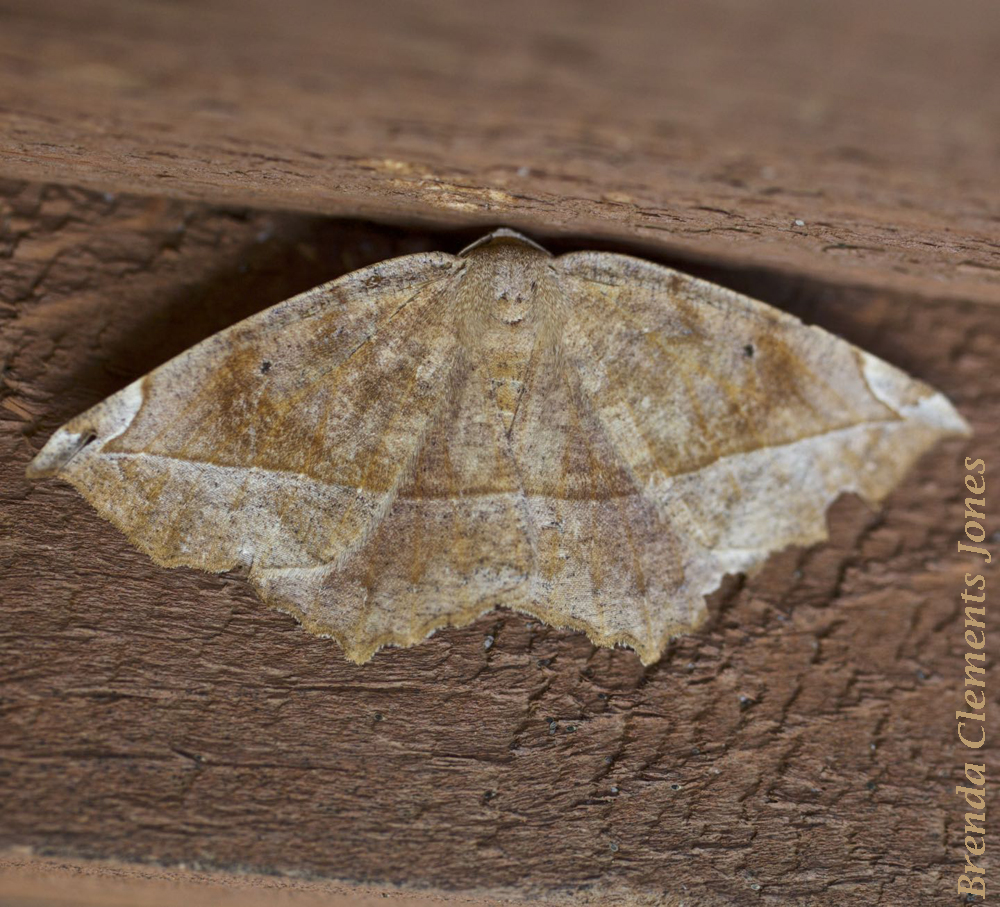
This last day of National Moth Week I’m bringing you the False Crocus Geometer (Xanthotype urticaria). They can be found from Nova Scotia to southern British Columbia, south to Colorado and Georgia. Host plants of this moth include Red Osier Dogwood, Ground Ivy, Catnip, Rhodora and Goldenrods. The larvae look much like little branches or…
-
Black and Yellow Lichen Moth
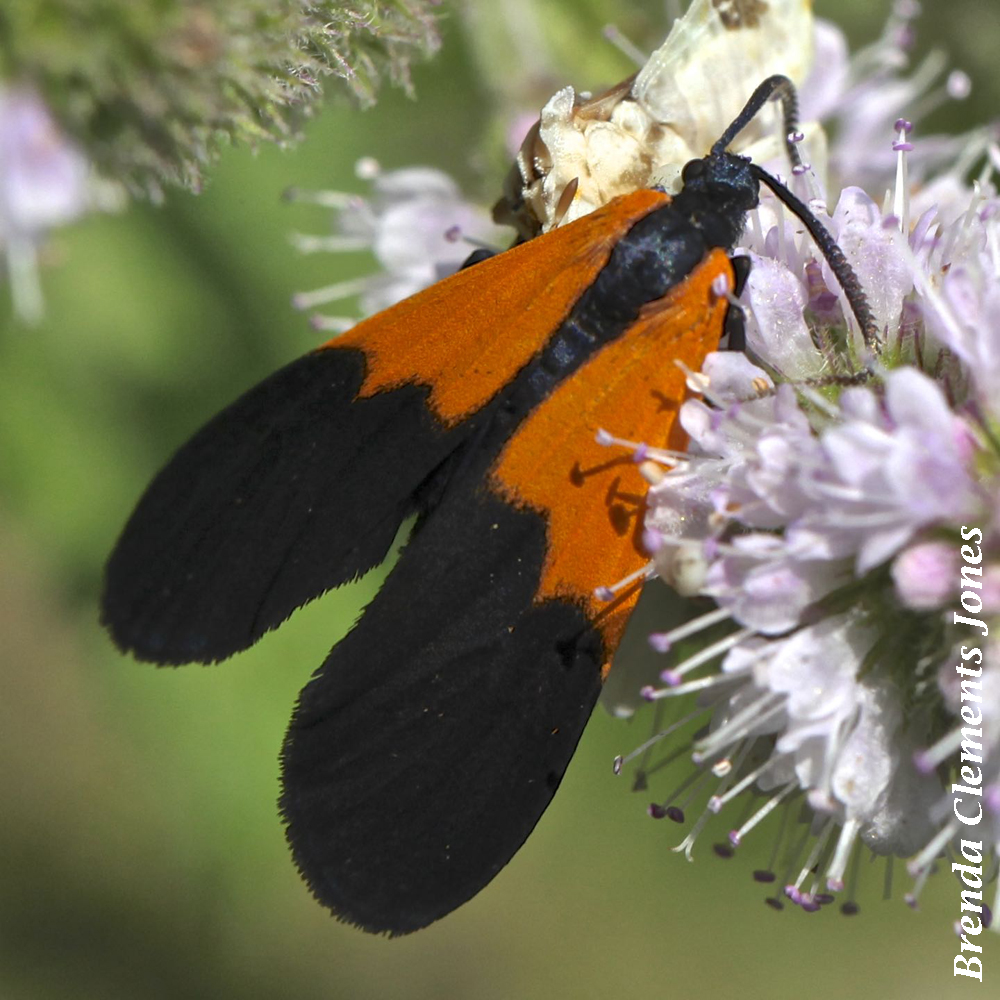
A moth that flies during the day, diurnal. A Black and Yellow Lichen Moth (Lycomorpha pholus). Though the name implies the color yellow you can see that this one, above, is reddish-orange along with the striking black with a subtle blue sheen. Many of this species of moth come in shades of not just yellow…
-
Cherry Scallop Shell Moth
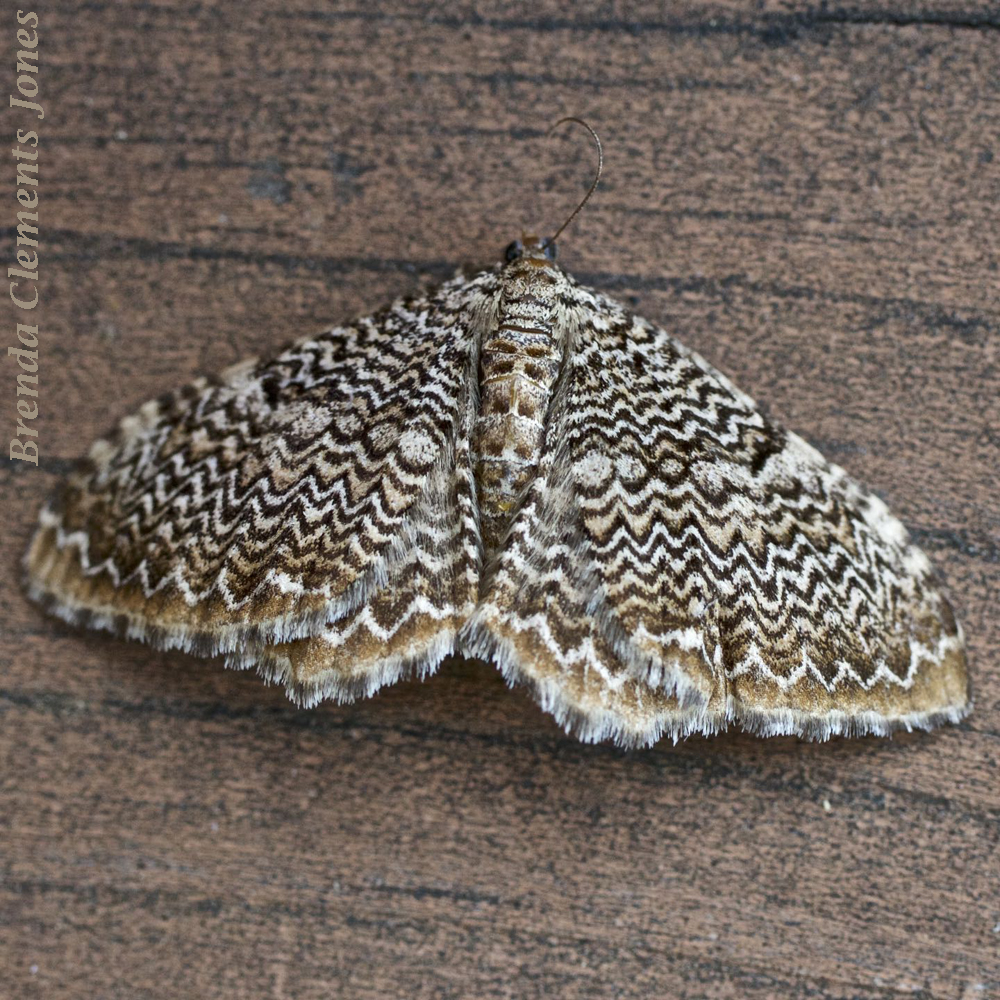
Cherry Scallop Shell Moth (Rheumaptera prunivorata) looking like someone all set to go to the office donned in their favorite warm woolen herringbone business suit. Or perhaps it looks like my tiger-striped kitty that I had when I was little. Tinker. But these wavy stripes are quite distinctive even for a moth. This moth is…