-
Not Every Winter
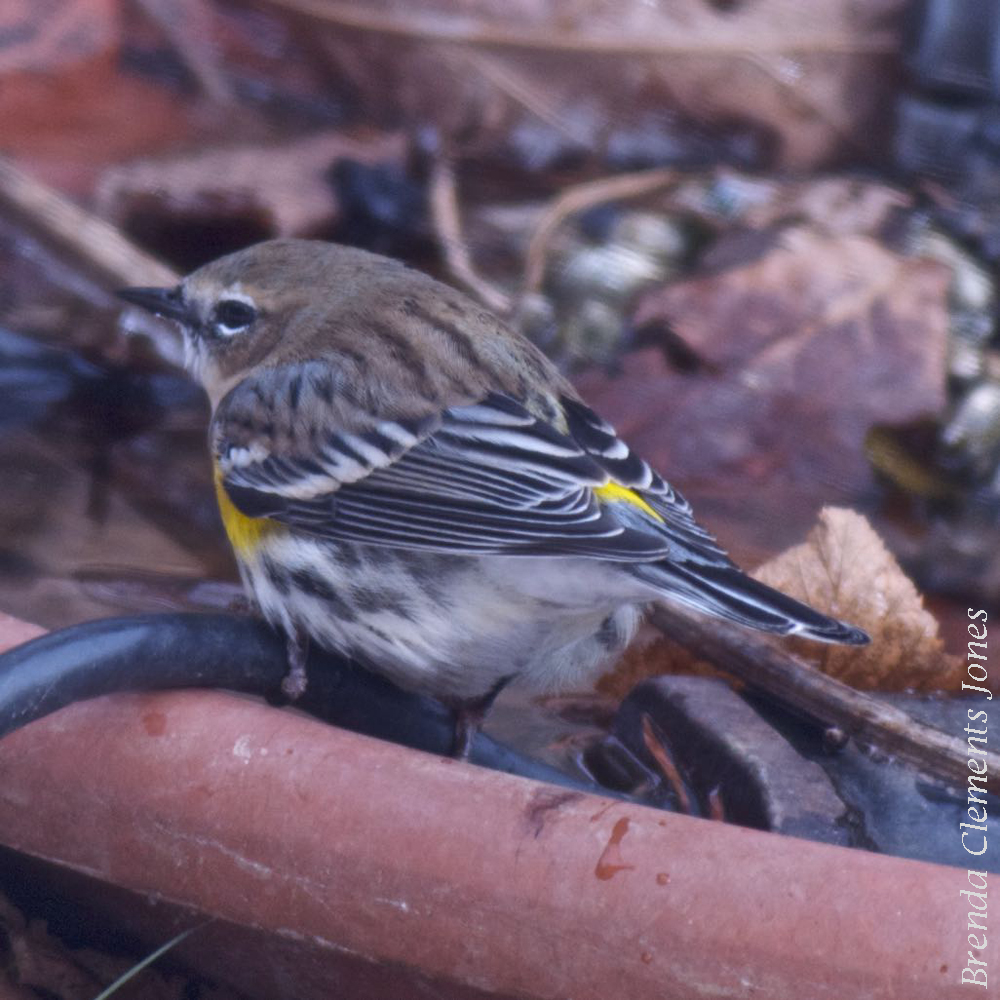
It’s not every winter I see them. But quite the treat to see when they do show up. The Yellow-rumped Warbler (Setophaga coronata). Internet sites say you can attract them with sunflower seed, raisins, suet, and peanut butter. Where I see them most often though, not at the feeders but at the birdbath. I’ve got my…
-
They Laugh at Winter
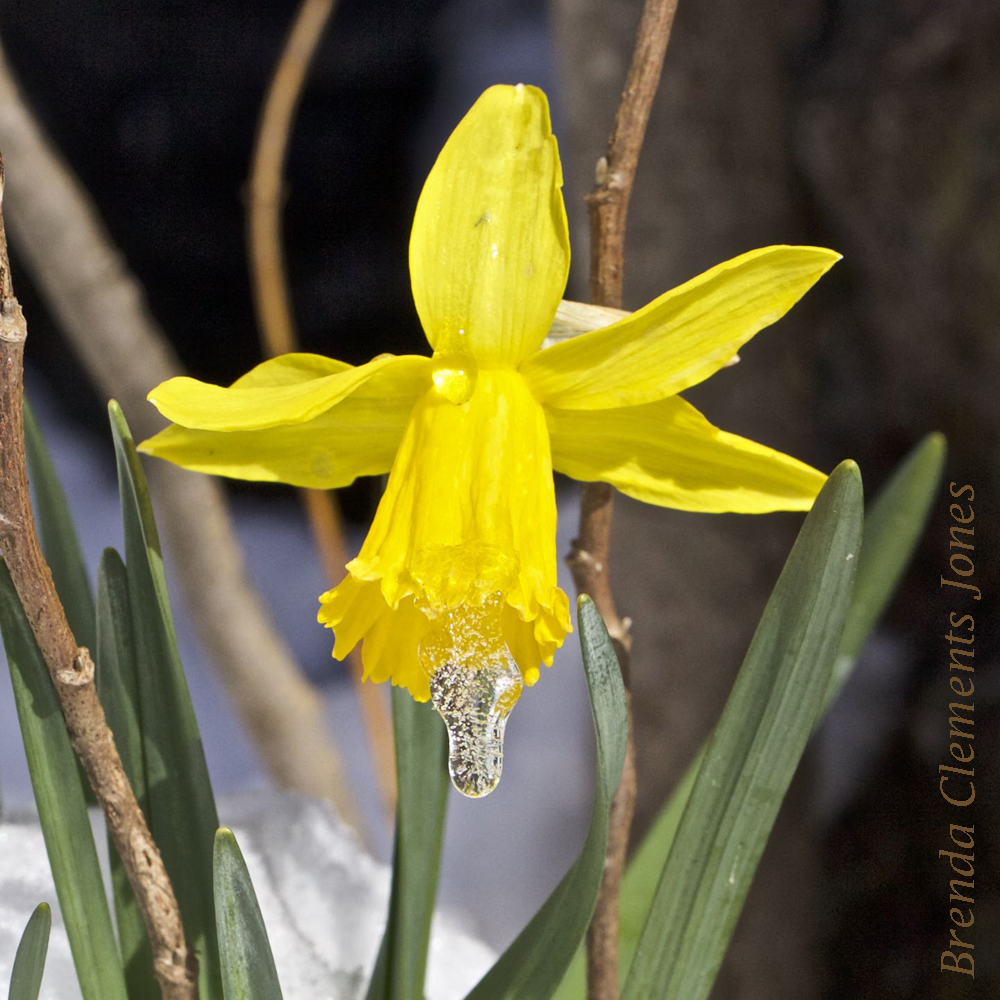
It’s been a mighty cold January. Last night’s low was an invigorating 6°. And yet here they come. Leaves emerging from the soil and soon there will be buds. Daffodils (Narcissus) are intrepid plants native to southern Europe and North Africa concentrated mainly in the western Mediterranean area. In the genus Narcissus there are over 50…
-
Midwinter Blooms
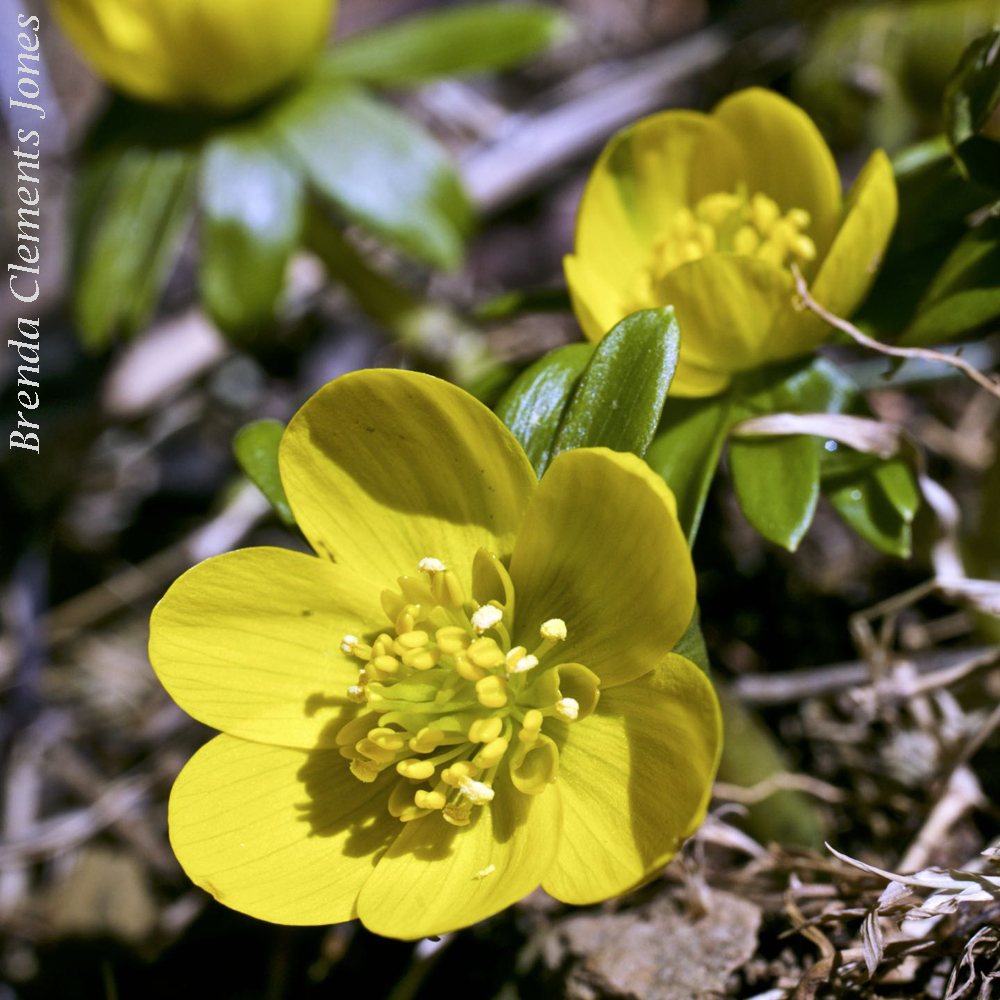
Many months of new discoveries. Training to become a master naturalist. February 2010. Blandy Aboretum of Virginia. Midwinter, and my first introduction to Winter Aconite (Eranthis hyemalis). Then a precious friend shared some of her Winter Aconite with me. All these years later they still emerge, sometimes through the snow, in early February. Like rays…
-
Fluffed Against the Cold
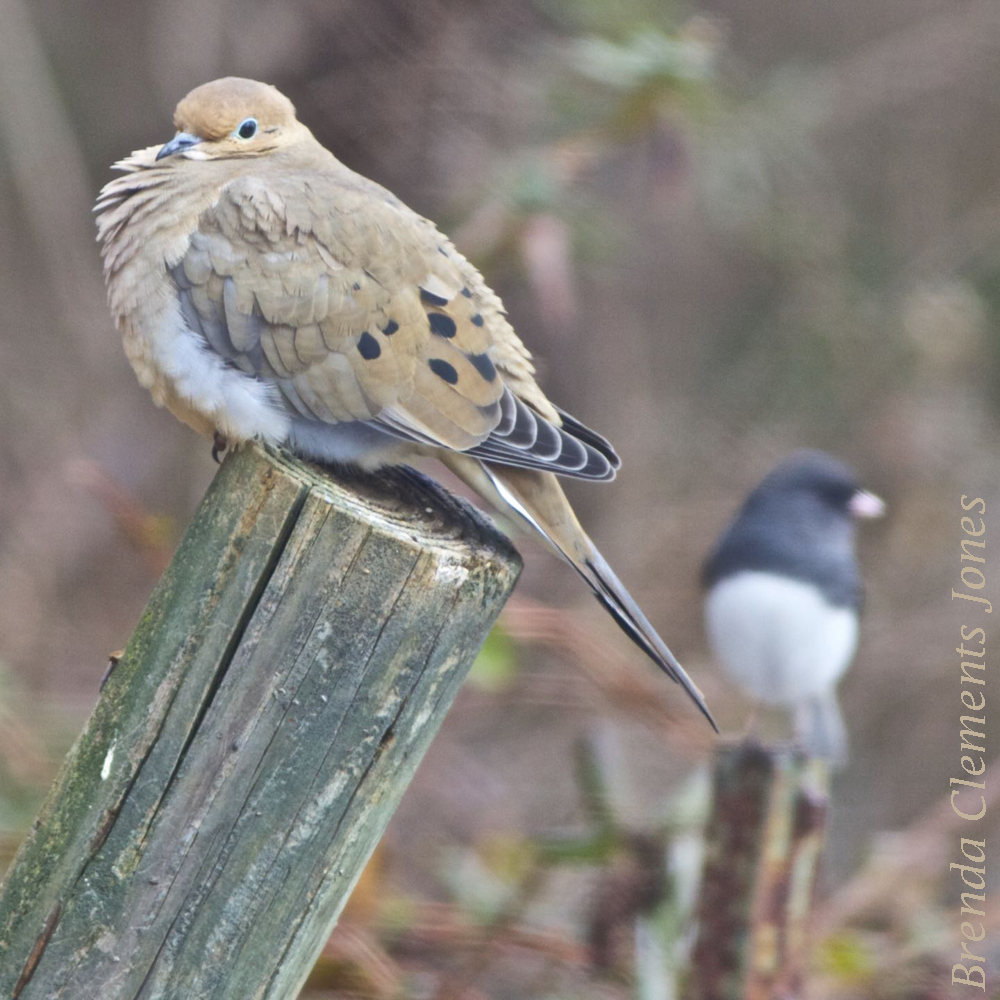
Extra feathers and fluffing work quite well against the cold of winter. Here a Mourning Dove (Zenáida macroúra) and a Dark-eyed Junco (Junco hyemalis) compare notes on keeping warm during the crispness of January.
-
Time Travel and Hackberry Emperors
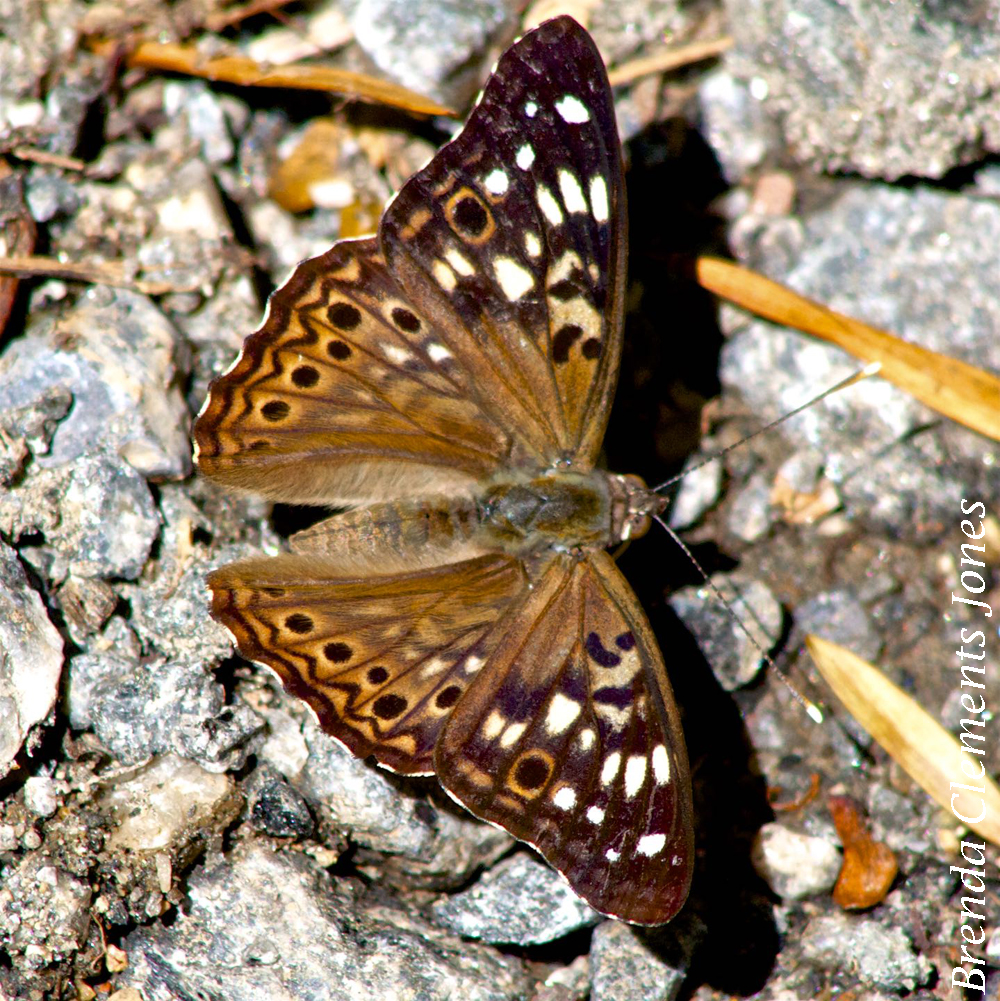
Come with me while I do a bit of time travel. Leaving the snow, ice and invigorating cold, we emerge in the sweltering heat and humidity of midsummer. Be sure to bring along your insect spray. Ticks are everywhere. And watch where you step, snakes are active too. I’ve come upon these photos of Hackberry…
-
Flicker in the Tulip Poplar
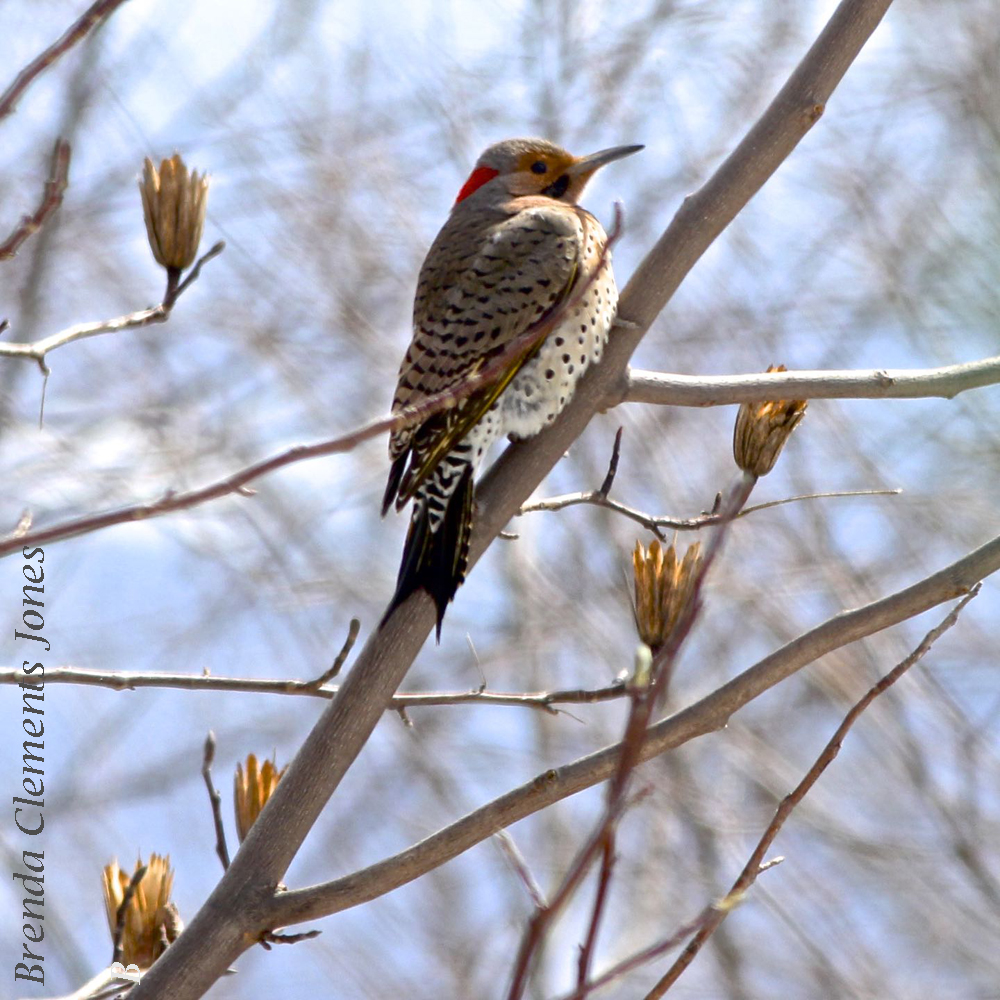
Northern Flicker (Colaptes auratus). A woodpecker that normally is seen on the ground, searching for ants, beetles and grubs. They pound into the soil in a way similar to what you’d expect to see other woodpeckers doing, pounding into a tree. As with most other insect eaters who are in this wintery land, Flickers switch…
-
The Name, Tufted Titmouse
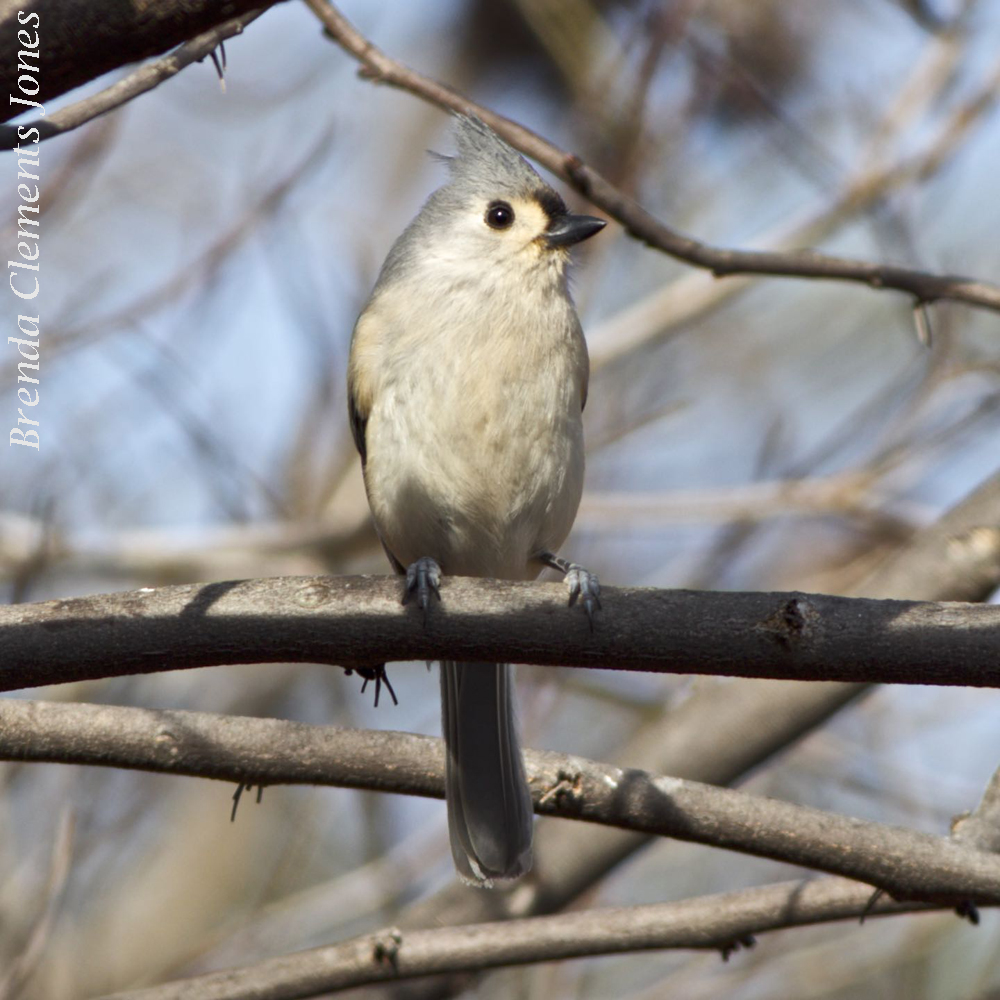
It all began long long ago, in the 14th century when the Old English name for bird, “mase,” and “tit,” meaning something small, were put together to represent the Tufted Titmouse. Time went by, the word “mase,” morphed into “mose” which eventually became “mouse” and took on new thoughts of what it means. A quick…
-
Berries on the Winter Diet
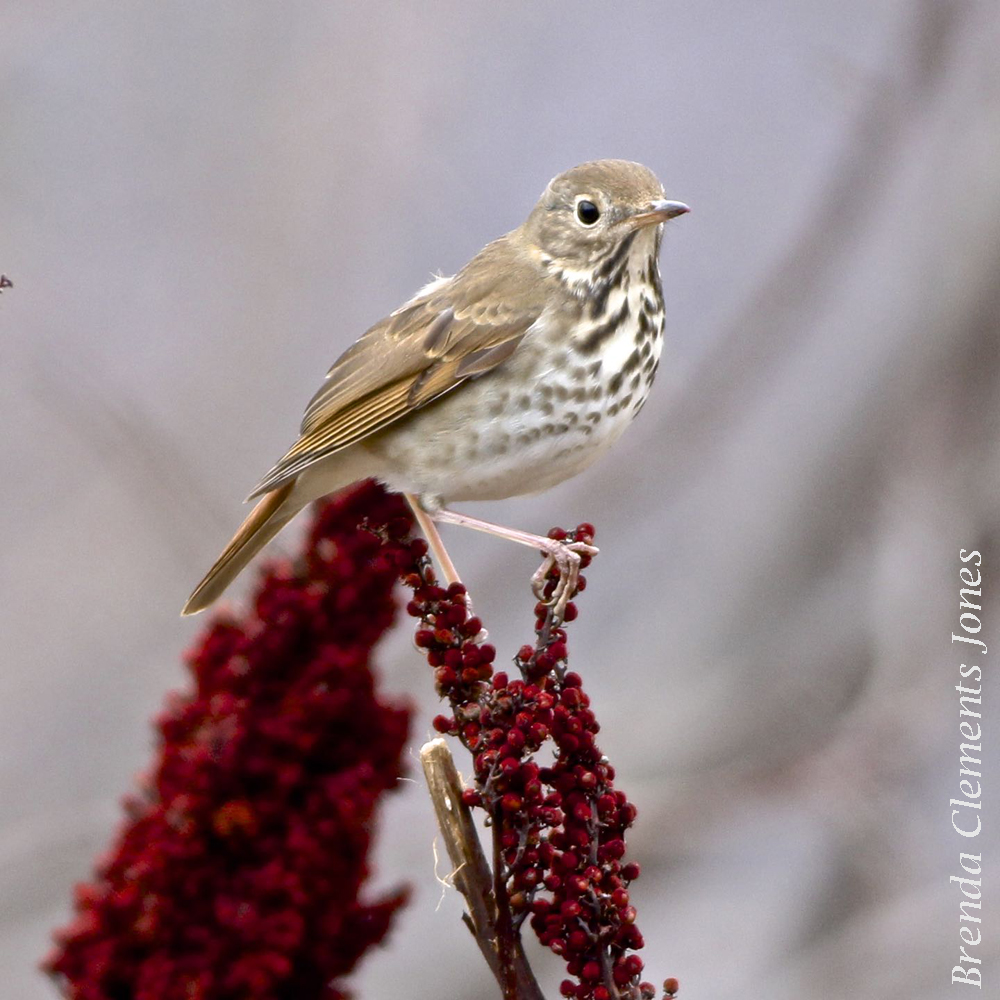
They eat insects spring, summer and autumn but when the Hermit Thrush (Catharus guttatus) arrives here for the winter, insects aren’t prevalent. Fruits and berries fill in for that lack. A favorite in this image, Smooth Sumac (Rhus glabra). A favorite for many birds and a favorite of mine for its drawing power. The power…
-
Busy Day at the Edge of the Woods
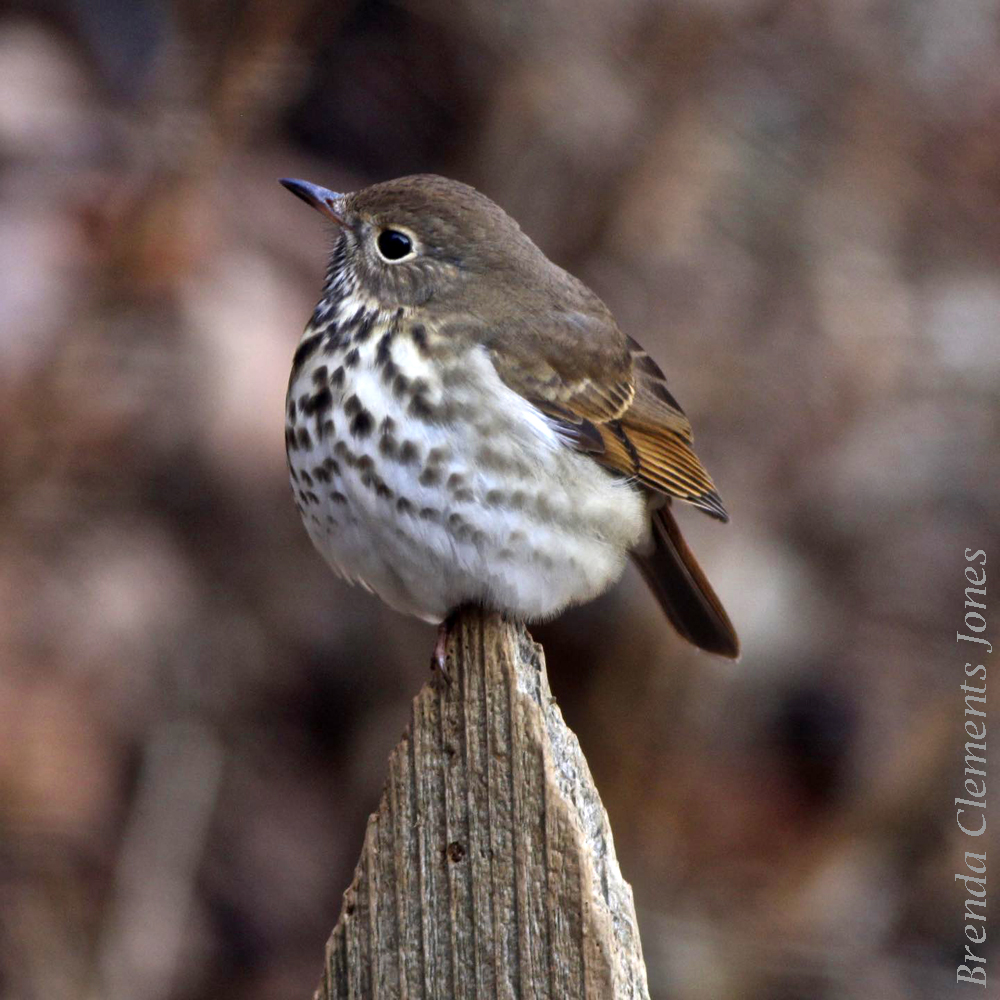
Here in the woods I’ve still got patches of snow from last week, and today’s temperatures were mighty cold. Birds gathered ’round the feeders, the birdbath, and the bushes that still have countless berries on them. Consuming calories which will go a long way toward keeping them warm. Keeping warm, something they’re constantly working on…
-
Patiently Waiting for the Snow
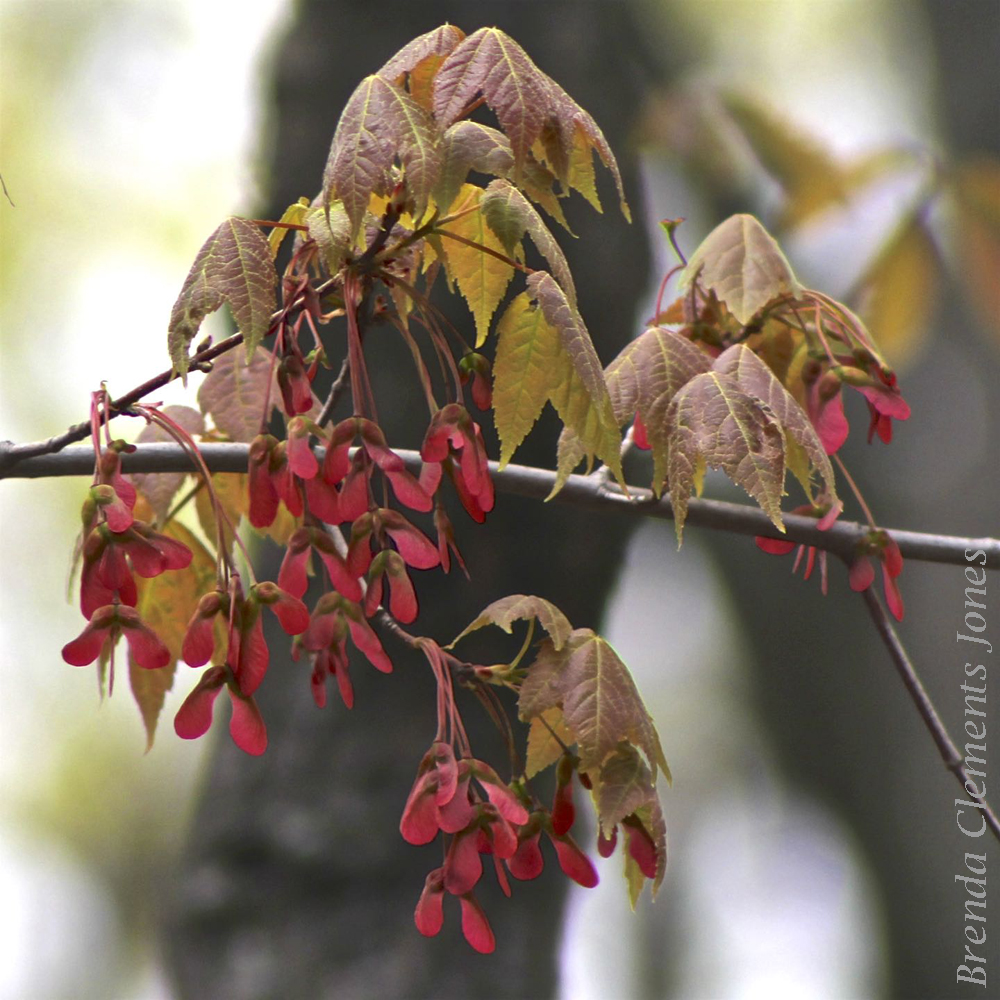
Trying to remain calm. I’ve flushed my ice cubes as is my tradition. Wonder if little granddaughter has done the same. Quite likely, we often think alike. Now to distract myself. Focus on months from now when snow is certainly not to be expected. Late April when Red Maple (Acer rubrum) trees are leafing out.…