-
More Oriental Bittersweet

More and more Oriental Bittersweet vines (Celastrus orbiculatus) seem to be magically appearing in my woods. It’s not literally magic though. The female vines produce berries which birds and other berry eating animals dine on and then distribute the seeds far and wide. And that is where the little seedlings appear. Far and wide, even…
-
Oriental Bittersweet
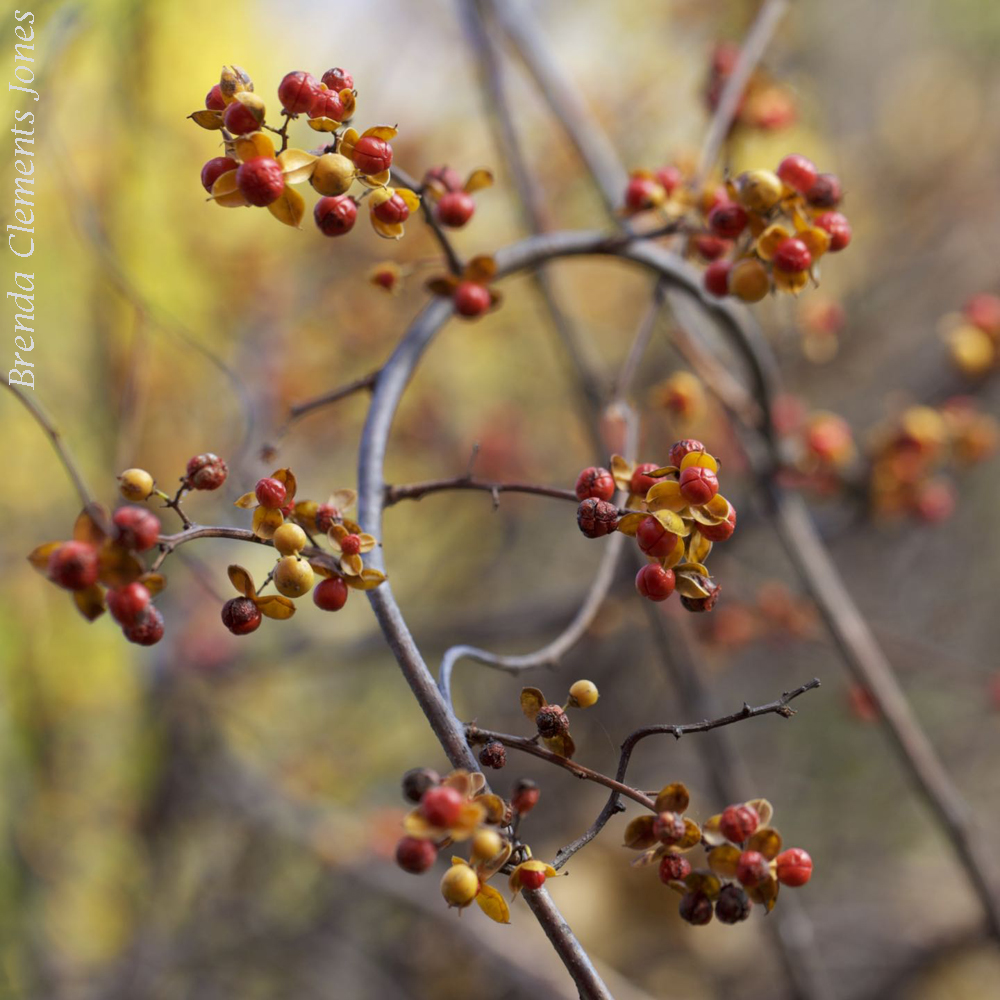
I’m sad to say, an exotic invasive, Oriental Bittersweet (Celastrus orbiculatus), is spreading rapidly throughout my woods. This is what the vine looks like right now in the middle of winter. Red berries encased in bright yellow capsules, that get eaten by birds and other animals and then distributed by the critters, often long distances…
-
Lavender and Cabbage Whites
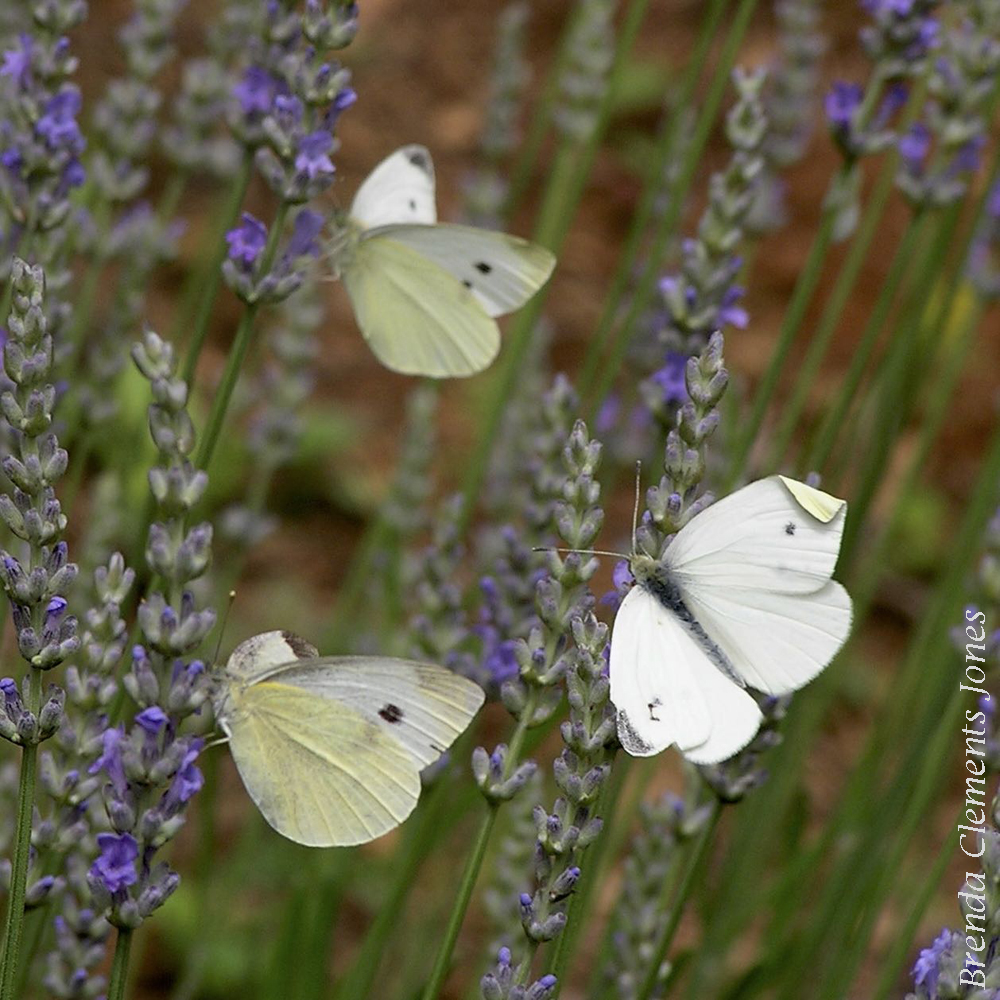
Skipping months ahead, June, and Lavender will be blooming. Ah that scent! I love it. Most people enjoy it too but many insects, including fleas, ticks, flies, and moths are repelled by the scent. As you can see, apparently not Cabbage White butterflies (Pieris rapae). Along with other butterflies, bees are attracted to Lavender, who…
-
Just Wondering
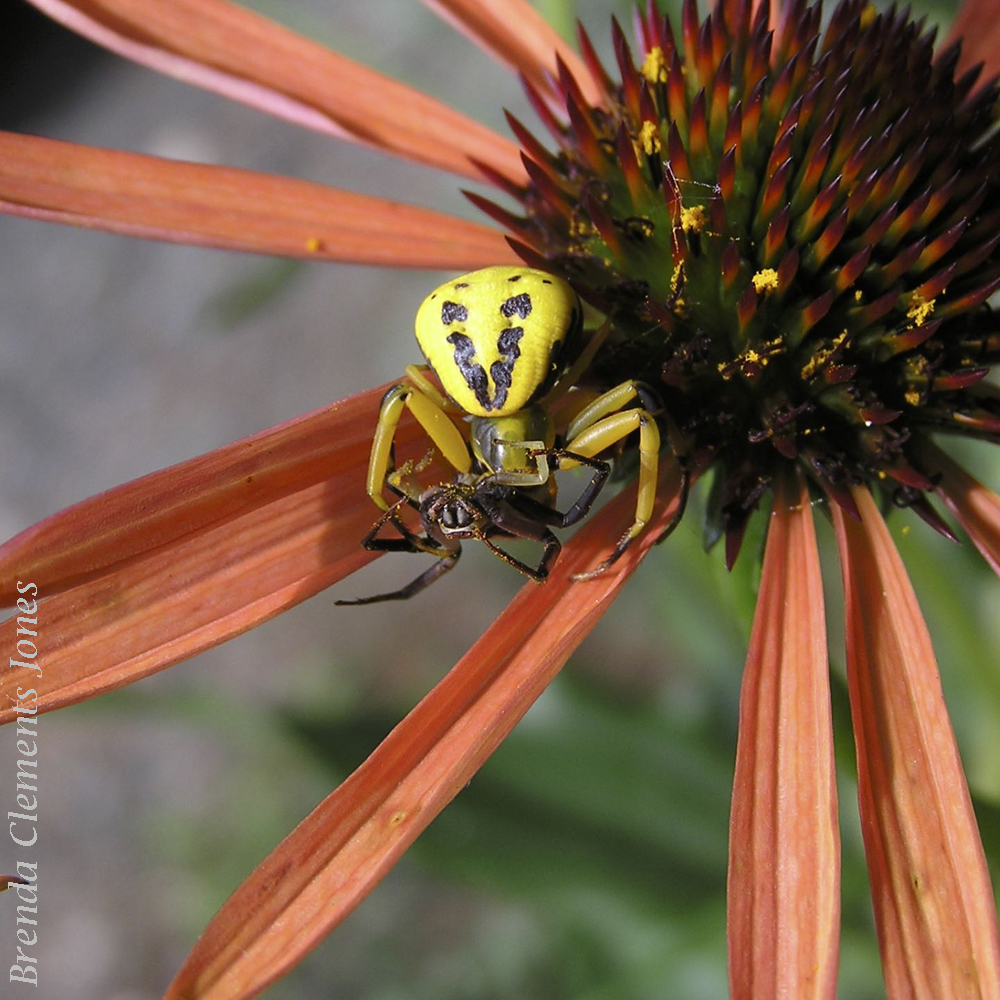
If I were a spider, would I wear four pairs of shoes? White-banded Crab Spider (Misumenoides formosipes) on ‘Firebird’ Coneflower (Echinacea).
-
Song Sparrow Revisited

Song Sparrow (Melospiza melodia). A sparrow that is here in central Virginia all year long. Mainly a ground feeder, eating insects spring, summer and autumn. Dining on seeds and various fruits as the weather turns cold. The Song Sparrow is one of the most variable songbirds, with as many as 30 different phases of this…
-
Blooms in the Snow

Hellebores. Native to southern and central Europe, where they’re often found growing in the mountains in stony clay soils. It’s no wonder they seem so at home here in my gardens. Though not a native, I must say they are well behaved and know just where their bounds are. They welcome snow in late January…
-
Here for the Winter

Today is a delightful day. Not only snow falling several hours this morning that has continued into this afternoon which now coincides with what the weather folks are saying, “Snow this afternoon.” But also a diminutive bird that I only see in the winter, and for the most part only at the birdbath, has made…
-
Look But Don’t Touch!
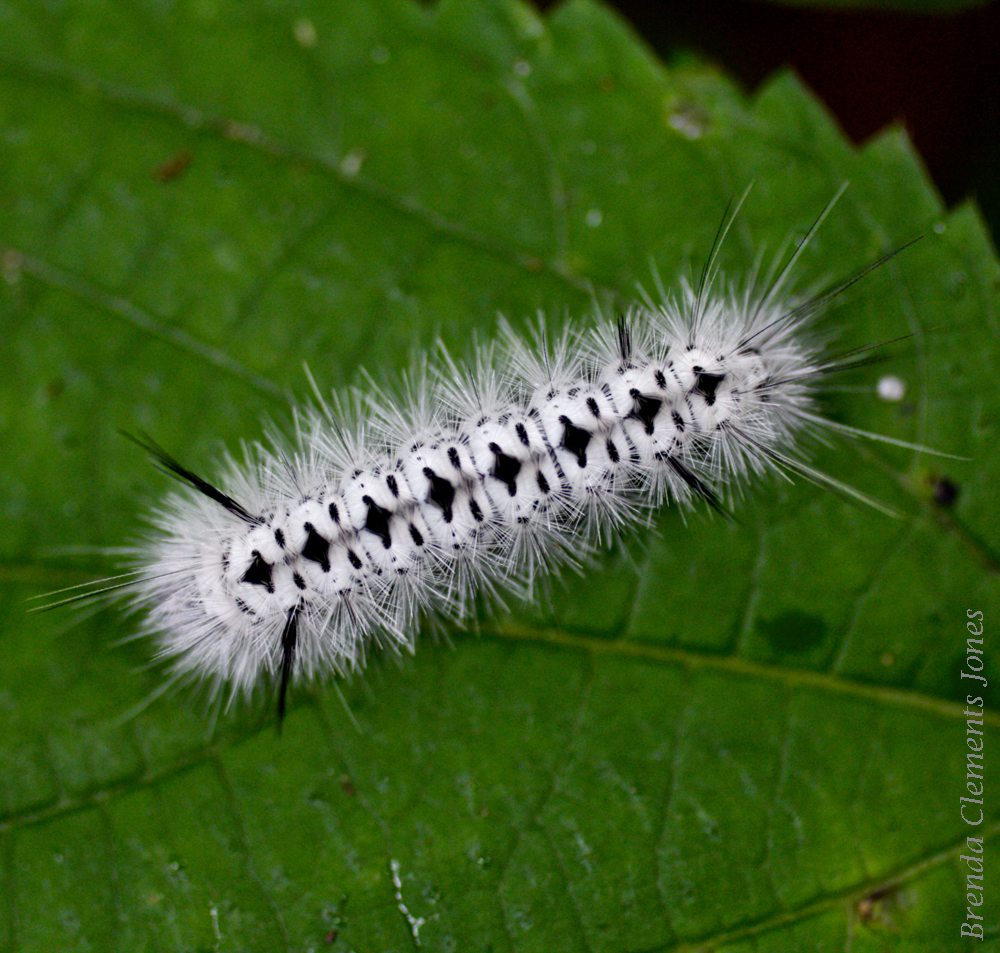
Many caterpillars aren’t to safe to pick up. If you don’t know what the species is that you’re admiring, proceed with caution. These are four caterpillars that can cause a very itchy rash if you pick them up. To be safe, look but don’t touch. This one is a Hickory Tussock Moth caterpillar (Lophocampa caryae).…
-
Trumpet Honeysuckle
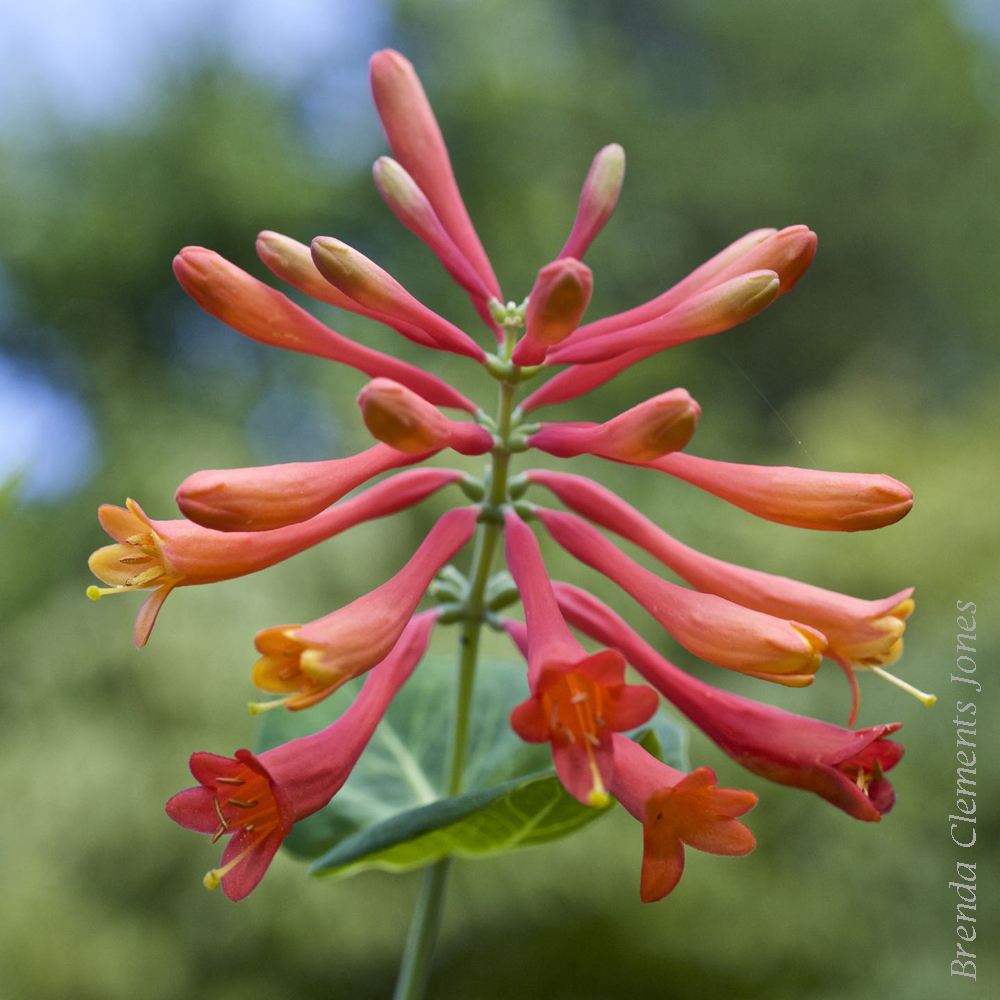
Ice covered berries of NATIVE honeysuckle. Trumpet Honeysuckle (Lonicera sempervirens). The scarlet berries bring Quail, Purple Finches, Goldfinches, Hermit Thrushes, American Robins, and surely more birds, to the vines which are native to the southeastern United States. Spring Azure butterflies and Snowberry Clearwing moths use the Trumpet Honeysuckle as their host plant. And if you’re…
-
Ice
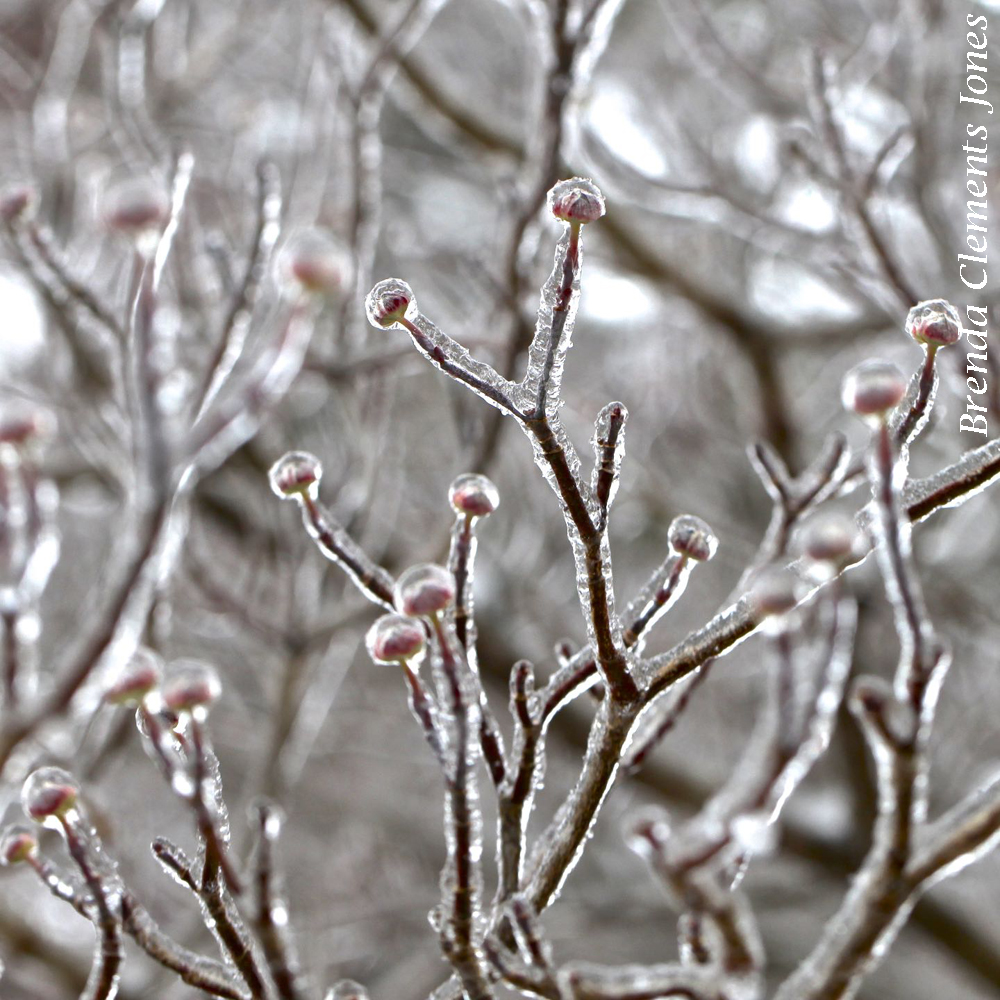
This past December fooled me. It was so warm. Not at all the way December is supposed to be in the Blue Ridge Mountains or in the Mid-Atlantic states. The whole month was that way. The warmth had me worried about how the rest of the winter would be. But January came through for me.…