-
Jewelweed
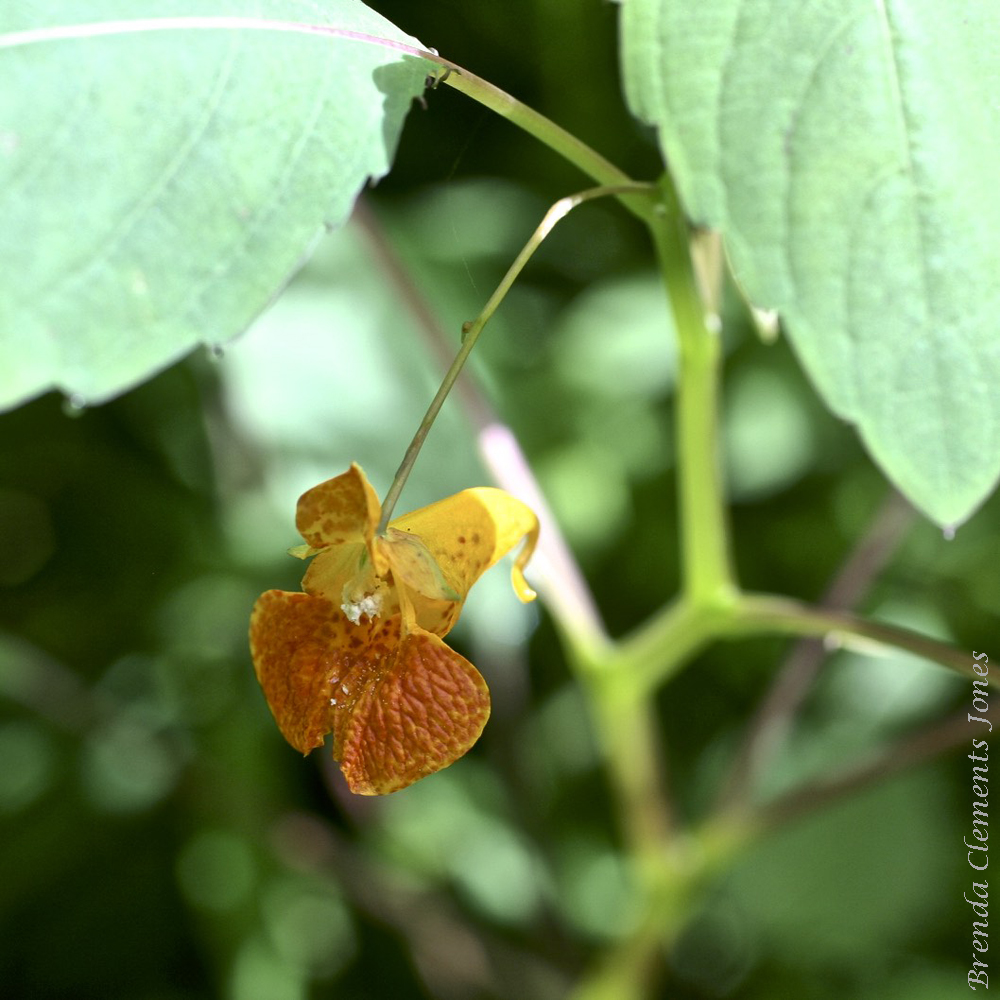
Jewelweed (Impatiens capensis), native to northern and eastern North America. It’s an annual that is found in rich moist soils where it grows to a lush 2 to 5 feet tall. Jewelweed has a dedicated following for its help with Poison Ivy and Stinging Nettles. Hummingbirds and Bumblebees are dependable pollinators of Jewelweed. _______________________ If…
-
Baltimore Checkerspot

The Baltimore Checkerspot is in the family of brush-footed butterflies, or Nymphalidae. Their front legs are small which gives them the appearance of having four legs rather than six. The range of the Baltimore checkerspot extends from southern Canada and the eastern United States to the mountains of Virginia and North Carolina and west across…
-
Pandorus Sphinx Moth

The Pandorus Sphinx Moth (Eumorpha pandorus) has a wingspan of 3.25 to 4.5 inches. That’s mighty big. Their host plants are vines: peppervine, grape, and Virginia creeper. Adults have a lifespan of 10 to 30 days. During that time they consume nectar from the flowers of bouncing bet, white campion, and petunia. They’re found in…
-
Hoary Mountain Mint
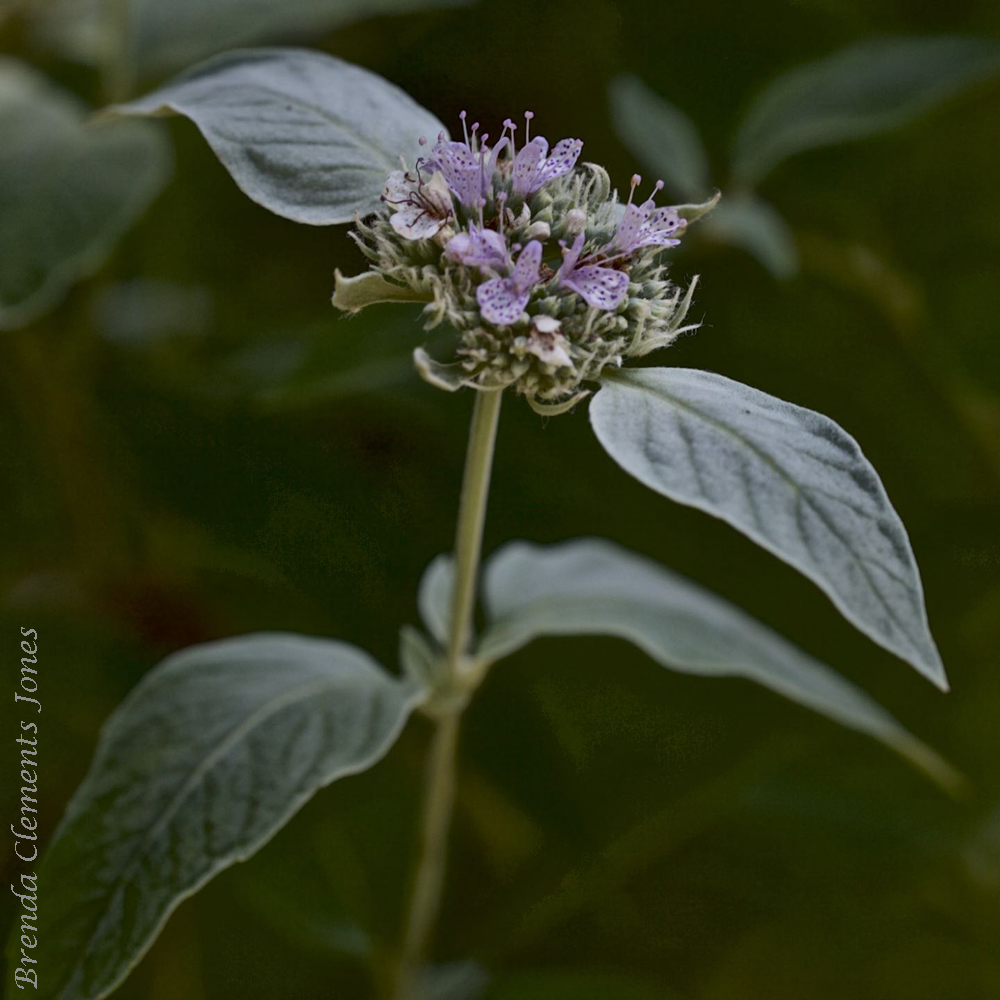
Hoary Mountain Mint (Pycnanthemum incanum) are blooming up here in the mountains and will continue into early autumn. It has a soft look. That word “hoary” speaks to its silvery look. The blooms, creamy white to lavender with lavender spots. The mint scented leaves cry out to be made into a tea. The plants grow…
-
Echinacea In July
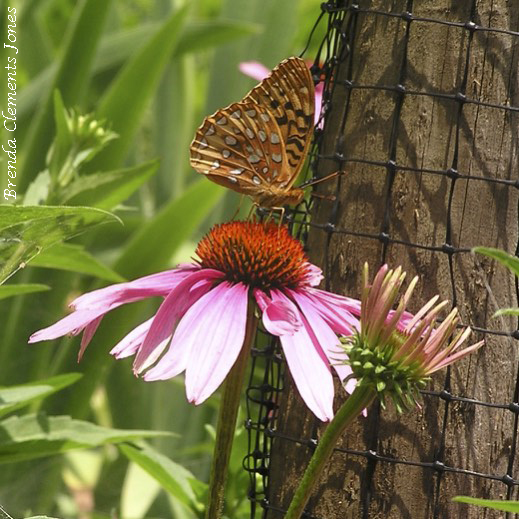
Echinacea purpurea, or the common name, Purple Coneflower, is blooming right now. An herbaceous, perennial that is native to eastern North America. Though common in gardens, this species is fairly uncommon in the wild. Pollinators of Echinacea are bees, butterflies and skippers. In the autumn, leave the seedheads and you’ll be rewarded by Goldfinches coming…
-
Inflated Lobelia
Inflated Lobelia (Lobelia inflata), tiny flowers, in shades of white, pale blue and lavender, with a hint of yellow inside. Blooming from July to October. And like many of the plants growing around us, it is poisonous. Here you can see the the “inflated” fruit of Inflated Lobelia which gives this plant its common, as…
-
What’s Up There?
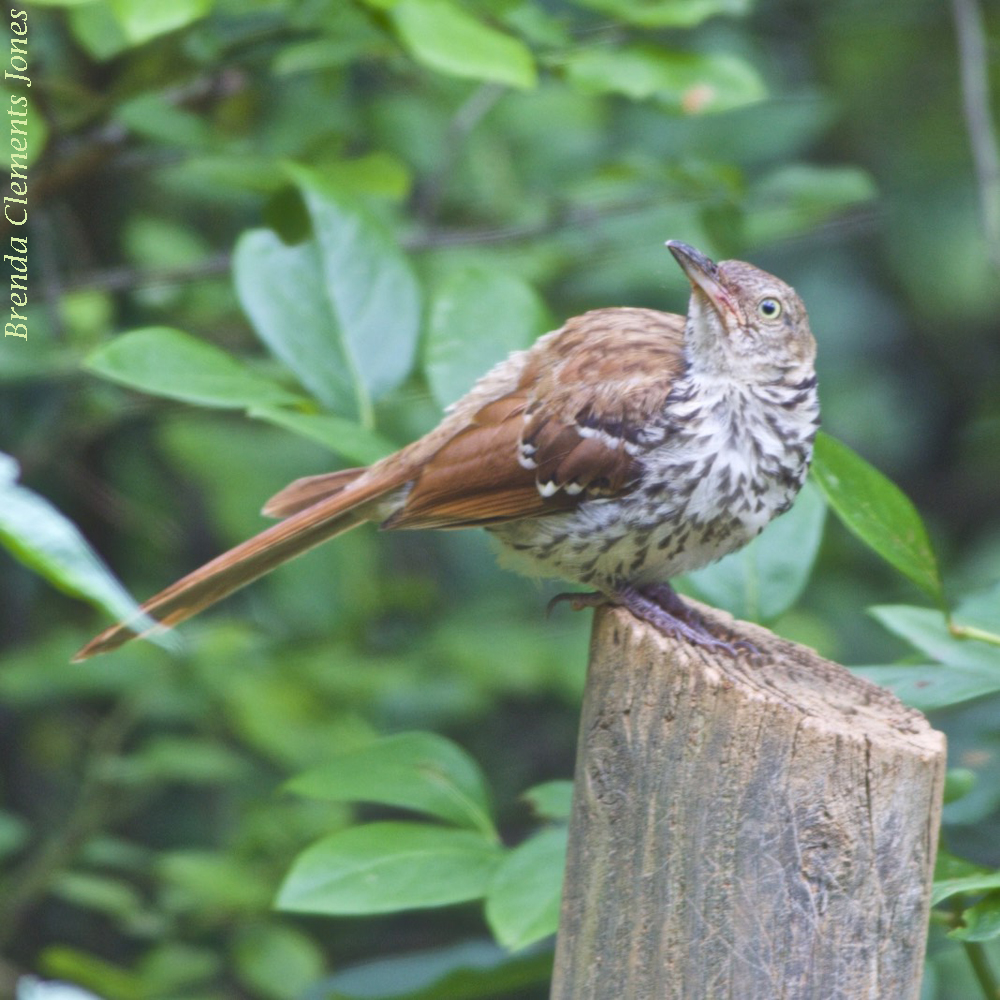
I had another visit today, from a wonderful bird, a Brown Thrasher (Toxostoma rufum). They don’t get seen often, but my blueberries are ripe now and they love them. Blueberries are a sure draw for many birds. Over the course of just a couple minutes I was able to get more than 40 images of…
-
A Good Day For Birds
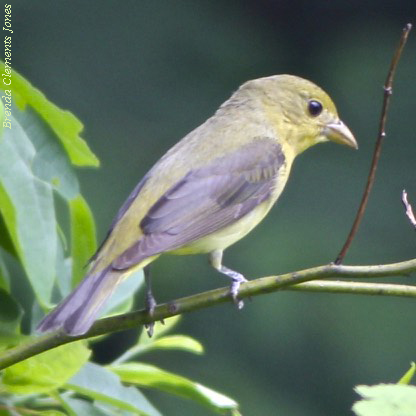
Two surprise birds today. Two females. An American Redstart (Setophaga ruticilla). Not interested in sunflower seeds or shelled peanuts but the birdbath I’ve put out for her. And another female. A Scarlet Tanager (Piranga olivacea) on her way to the blueberry bushes that are still filled with yummy berries to tempt her. A good day…
-
Wild Basil
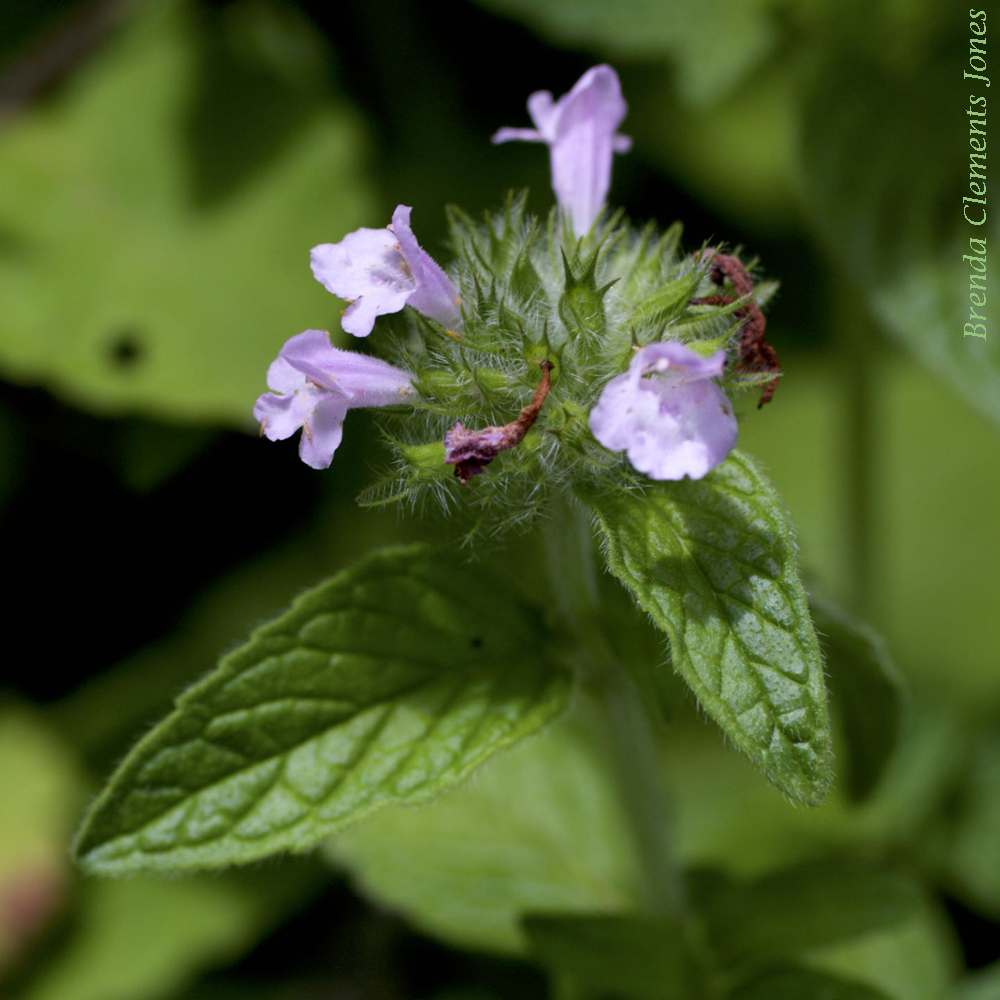
Wild Basil (Clinopodium vulgare), is an herbaceous perennial, and member of the Lamiaceae (mint) family. True Basil is also part of the Lamiaceae family. Being in that family, it has a square stem like so many mint plants that I have growing in my gardens. Flowers, 1/2 inch long are formed together in fuzzy clumps.…
-
Click Beetles
This is an Eyed Click Beetle (Alaus oculatus), one of about one thousand species of Click Beetles in North America. These Click Beetles have something other beetles don’t have, a flexible connection between the first and second section of their thorax. This allows them to move their heads and first pair of legs independently from…