-
Happy Anniversary!

Youngsters, two and three years old, or so it seemed. A mighty fine pair. Happy 54th Anniversary!
-
Juniper Hairstreak Revisited
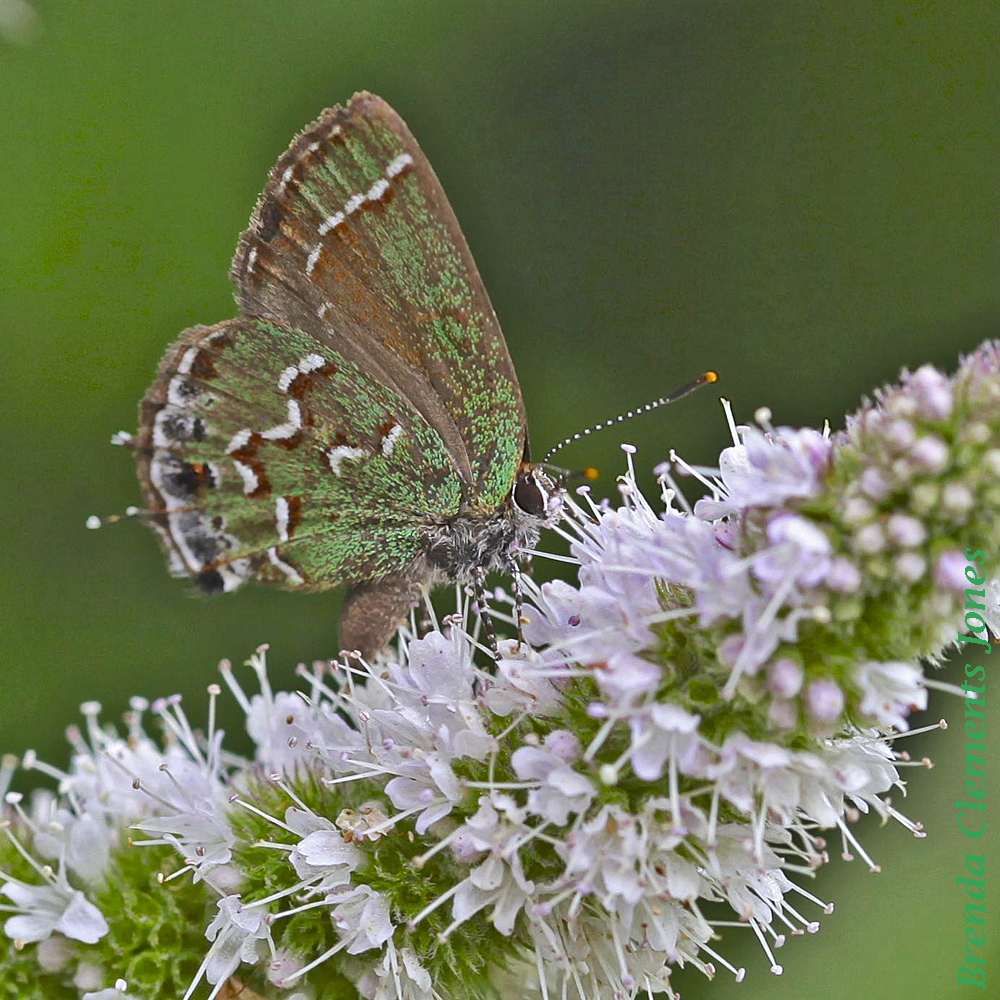
Juniper Hairstreak (Callophrys gryneus) is native to most of North America. Once thought to be two separate species, residents of eastern North America and western North America are now considered to be just one species. As butterflies, adult Juniper Hairstreaks seek the nectar of many flowers such as Queen Anne’s Lace, Winter Cress, Common Milkweed,…
-
Pipevine Swallowtail
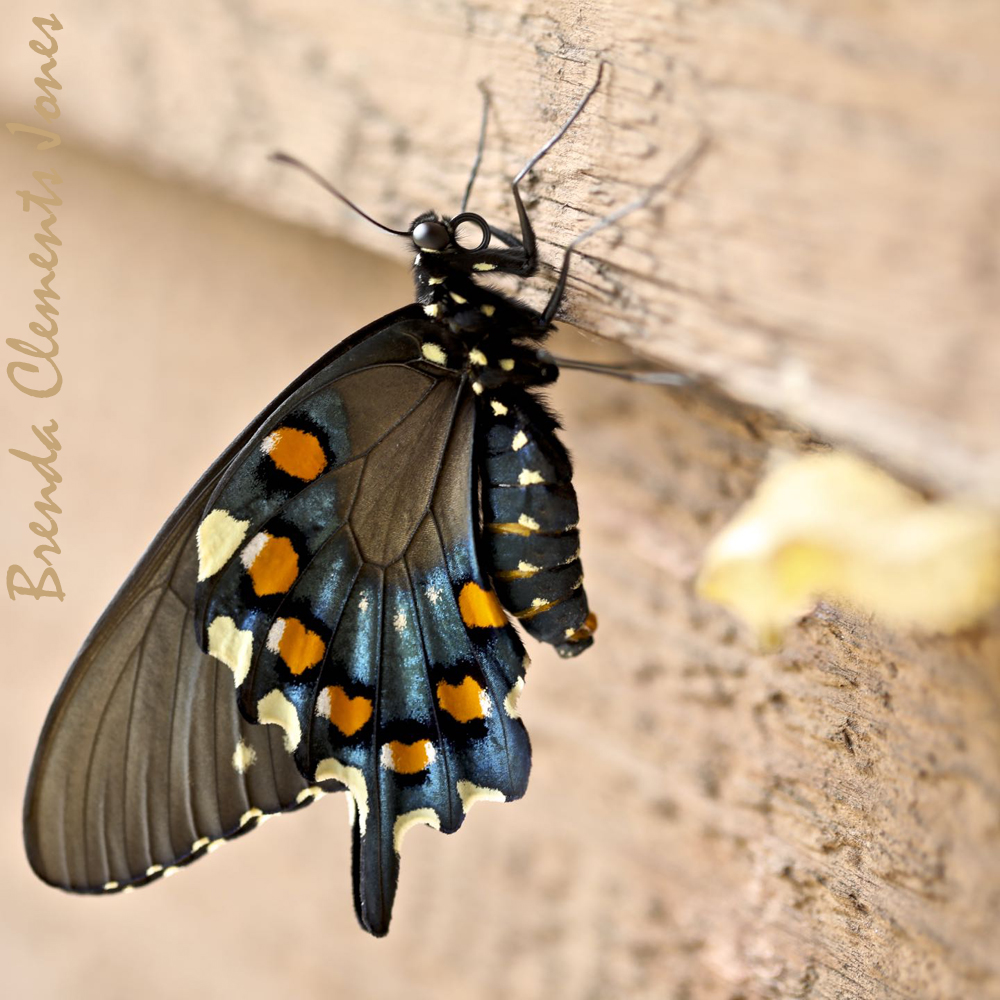
Brand new! This Pipevine Swallowtail (Battus philenor) has just emerged from its chrysalis. A couple years ago I decided that if I wanted to see Pipevine Swallowtails, I should get a plant that would engage them. Their host plants are in the genus Aristolochia. One of them, Woolly Dutchman’s Pipe (Aristolochia tomentosa) filled the bill since…
-
Hickory Tussock Moth Caterpillar
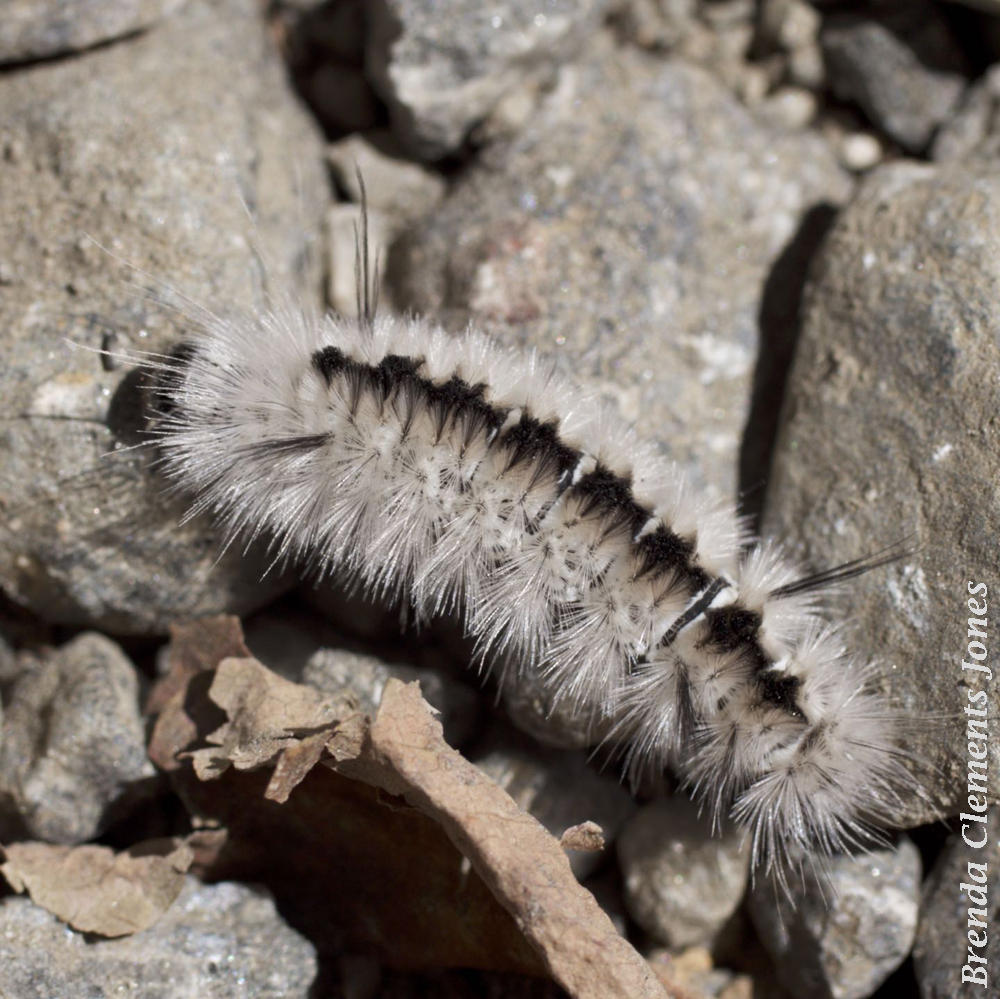
Hickory Tussock Moths (Lophocampa caryae) are native to northeastern North America down to North Carolina and a few even wander to Texas and down into Mexico. These photos are their larvae, their caterpillars. Hickory Tussock Moths have just one generation per year. Eggs are laid in clusters of 100 or beyond, on the undersides of…
-
Naked-flowered Tick Trefoil
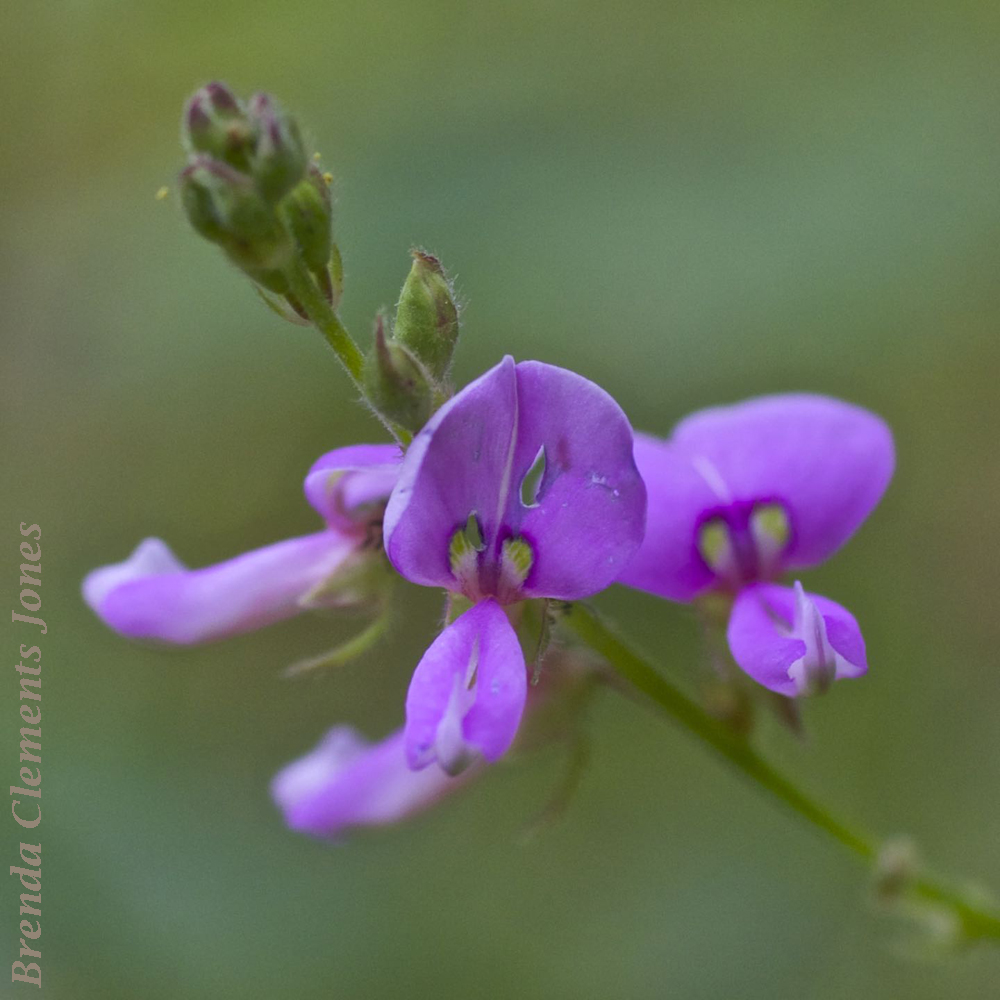
Naked-flowered Tick Trefoil (Desmodium nudiflorum). Nice color! Soft to intense pink blossoms with a unique shape that makes me think of Crow T. Robot from Mystery Science Theater 3000. The Tick Trefoils are just beginning to bloom around my cabin. The pea-like flowers are on stems that have no leaves and there, you’ve got the…
-
Silver-spotted Skipper Revisited
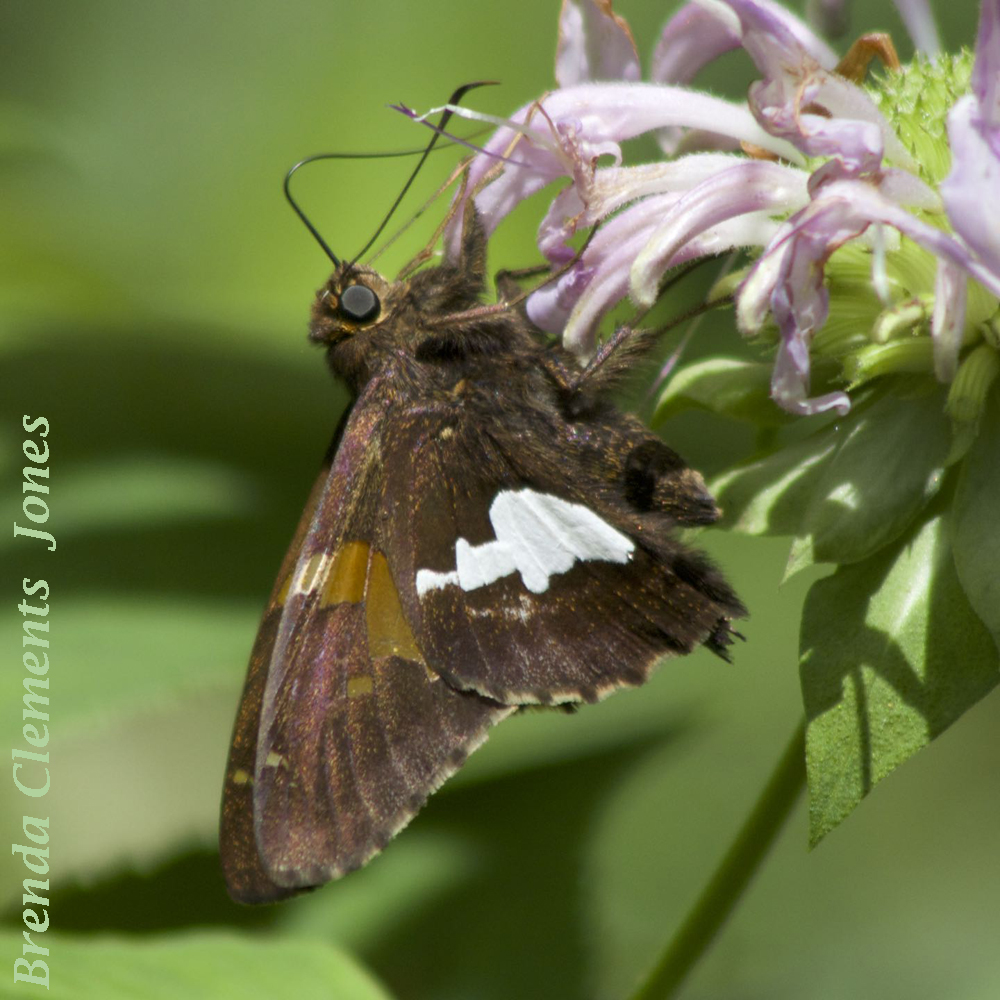
With a wingspan of 1.75 to 2.5 inches the Silver-spotted Skipper (Epargyreus clarus) is the largest of the skippers. But being the largest of the skippers doesn’t make it LARGE compared to some moths and butterflies. The Silver-spotted Skipper is certainly the skipper that I see most often as I check out the trails here…
-
Red-banded Hairstreak
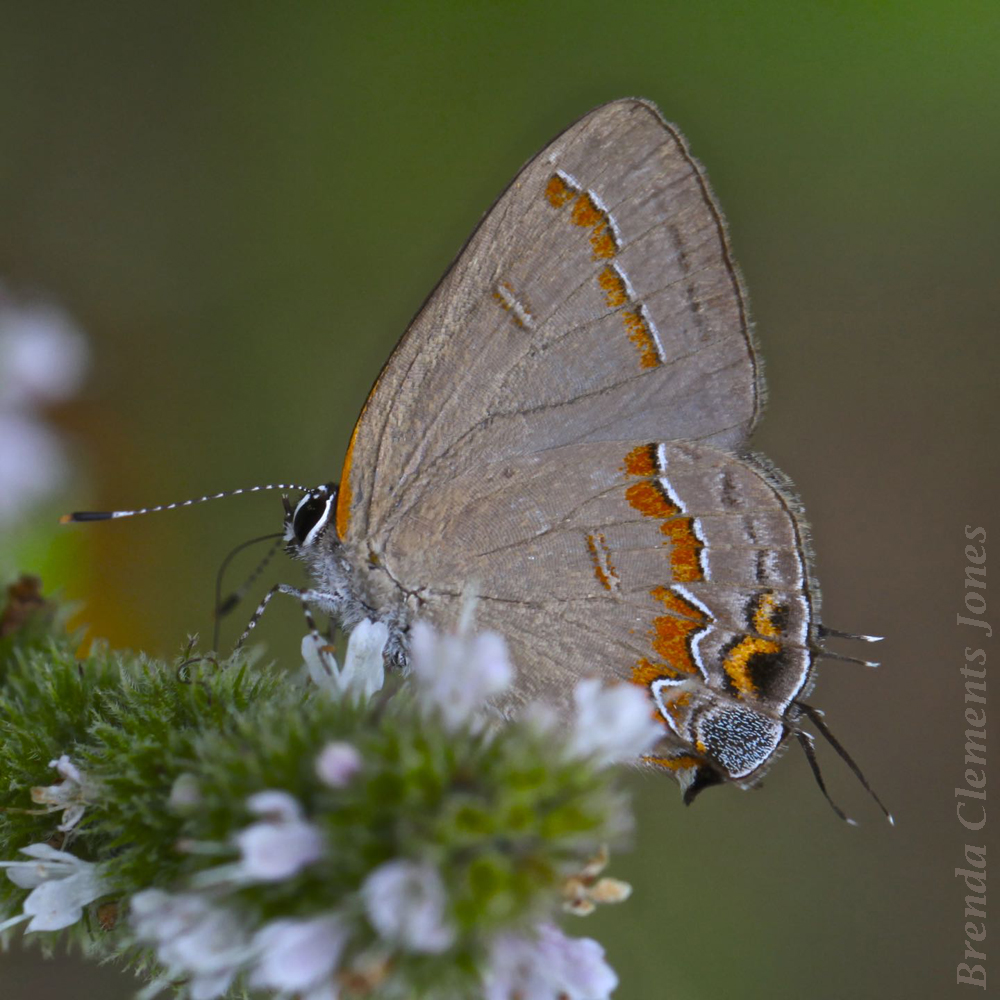
Red-banded Hairstreak (Calycopis cecrops) is native to the southeastern United States. As a caterpillar it has an unusual food source, the fallen leaves of Sumacs, Myrtles, some Oaks and other trees. A mighty teeny butterfly, its wingspan is 1 inch to 1.25 inches, though you’ll seldom see it with its wings open. As a butterfly,…
-
Red-eyed Vireo
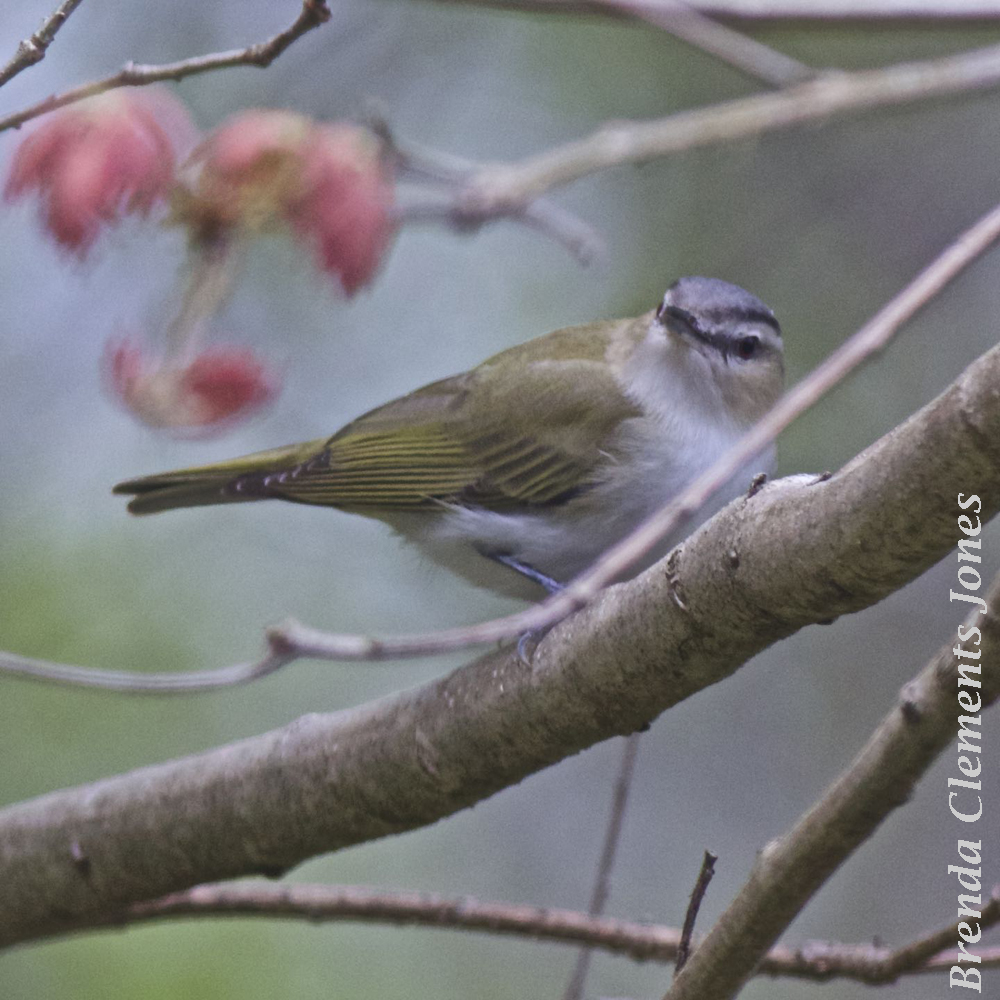
The Red-eyed Vireo (Vireo olivaceus) is a summer resident here at my Virginia cabin. They are constantly reminding me that they’re around, though I seldom see them. Their normal place to be is high up in the tree tops while hunting for their meals, out of sight. Their summer diet is predominantly insects of all…
-
False Crocus Geometer
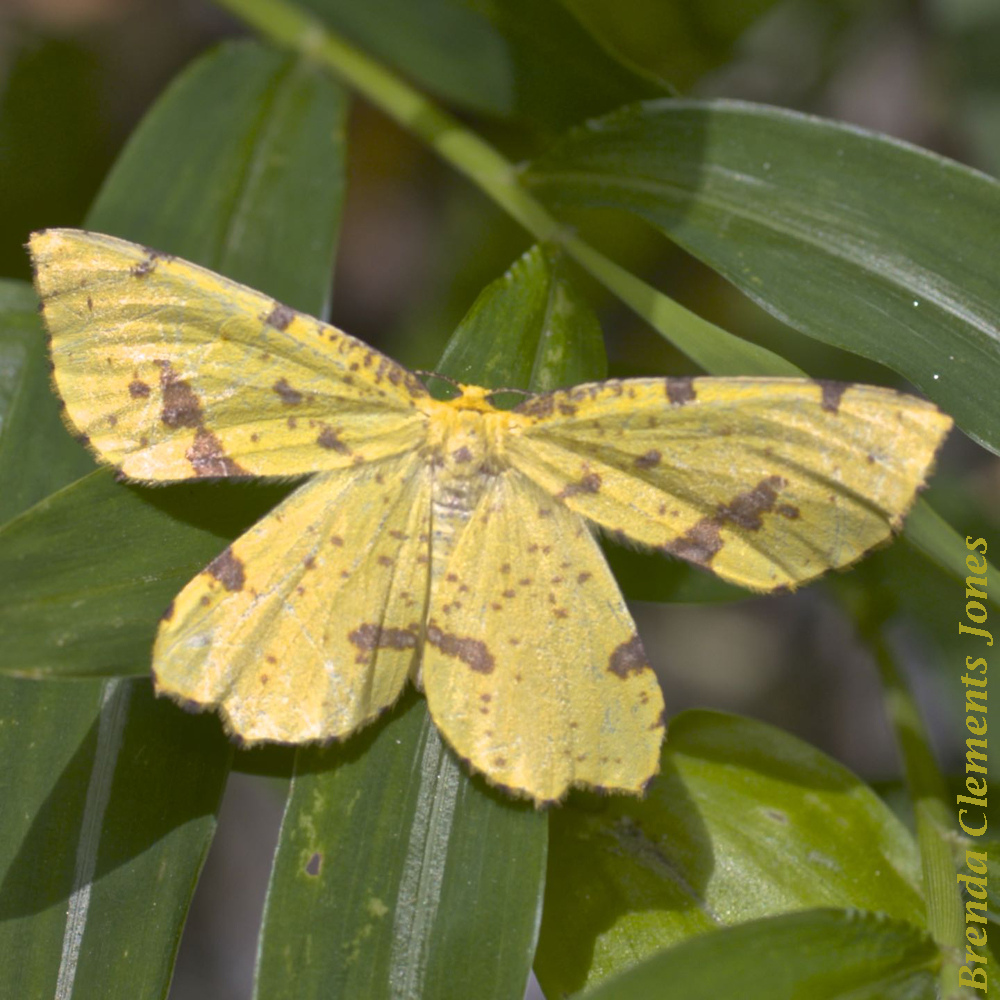
This last day of National Moth Week I’m bringing you the False Crocus Geometer (Xanthotype urticaria). They can be found from Nova Scotia to southern British Columbia, south to Colorado and Georgia. Host plants of this moth include Red Osier Dogwood, Ground Ivy, Catnip, Rhodora and Goldenrods. The larvae look much like little branches or…
-
Black and Yellow Lichen Moth
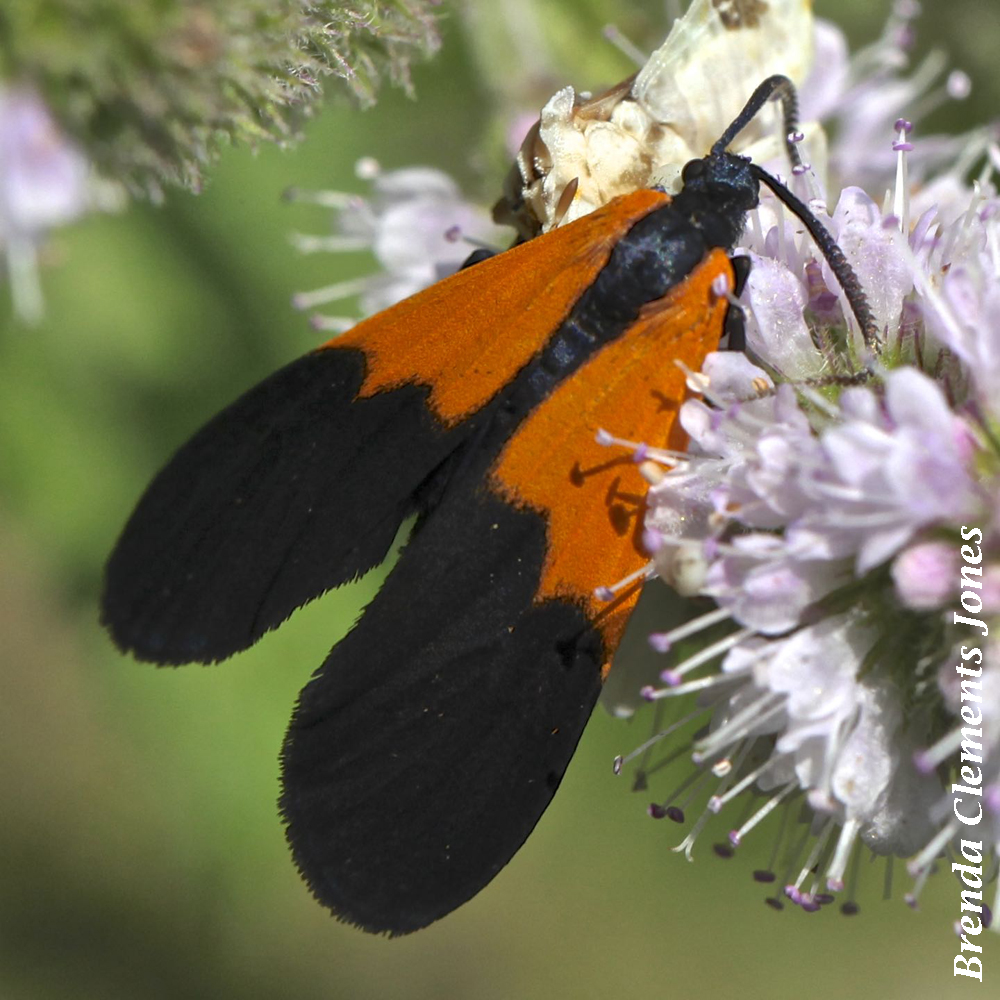
A moth that flies during the day, diurnal. A Black and Yellow Lichen Moth (Lycomorpha pholus). Though the name implies the color yellow you can see that this one, above, is reddish-orange along with the striking black with a subtle blue sheen. Many of this species of moth come in shades of not just yellow…