-
Golden Spindles
So much to see out there as you wander through the woods. One must simply pay attention to what you are stepping over, walking through, hiking past, to see more of the world of nature. Did you know there are mushrooms in every color of the rainbow? Here I present YELLOW. One of many, many…
-
Viceroy
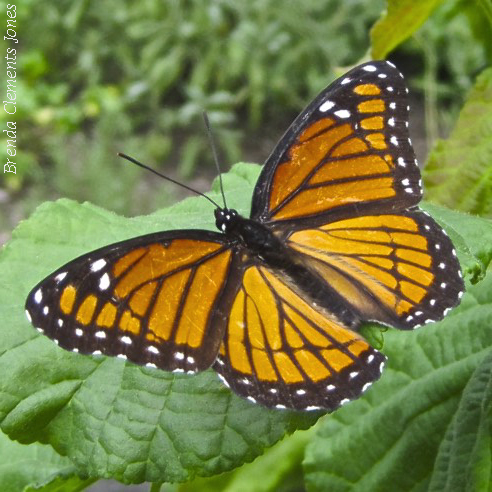
I’ve seen one two times, that I know of, and I’ve gotten photographs both times. A Viceroy (Limenitis archippus). The first one was spotted and photographed at my cousin’s house in Ottsville, Pennsylvania. The second photograph was taken at the bottom of my mountain, where I stopped at the stop sign and this Viceroy came…
-
Eight-spotted Forester
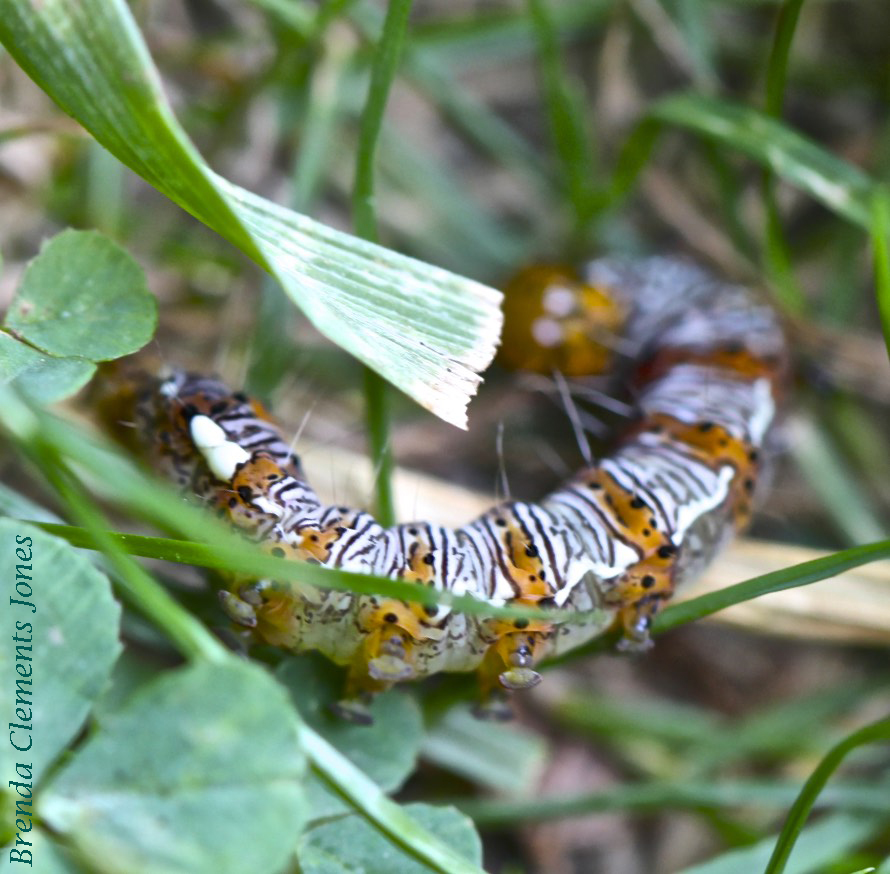
Eight-spotted Forester Moth (Alypia octomaculata). They’re found in Maine and southern Quebec to Florida; west to South Dakota and Texas. Unlike most moths, they are diurnal rather than nocturnal. Flying during the day with a wing-span of 1.5 inches. Flying, in search of the nectar of flowers, making their fluttery appearance in May and throughout the…
-
Baltimore Checkerspot

The Baltimore Checkerspot is in the family of brush-footed butterflies, or Nymphalidae. Their front legs are small which gives them the appearance of having four legs rather than six. The range of the Baltimore checkerspot extends from southern Canada and the eastern United States to the mountains of Virginia and North Carolina and west across…
-
Anchor Stink Bug
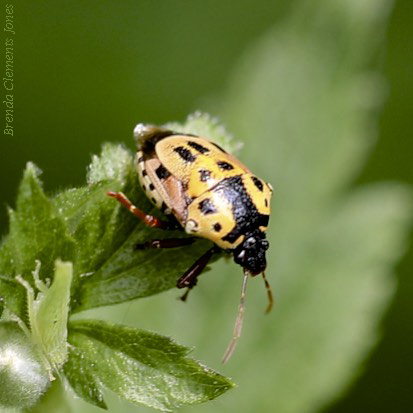
Anchor Stink Bug (Stiretrus anchorago). Found in Central and mostly eastern North America. This is a good guy of the stink bug world, feeding on beetle larvae and caterpillars, including many agricultural and gardening pests such as the Mexican Bean Beetle and the Japanese Beetle. There’s incredible variation in the coloring of the Anchor Stink…
-
Wineberry Flower
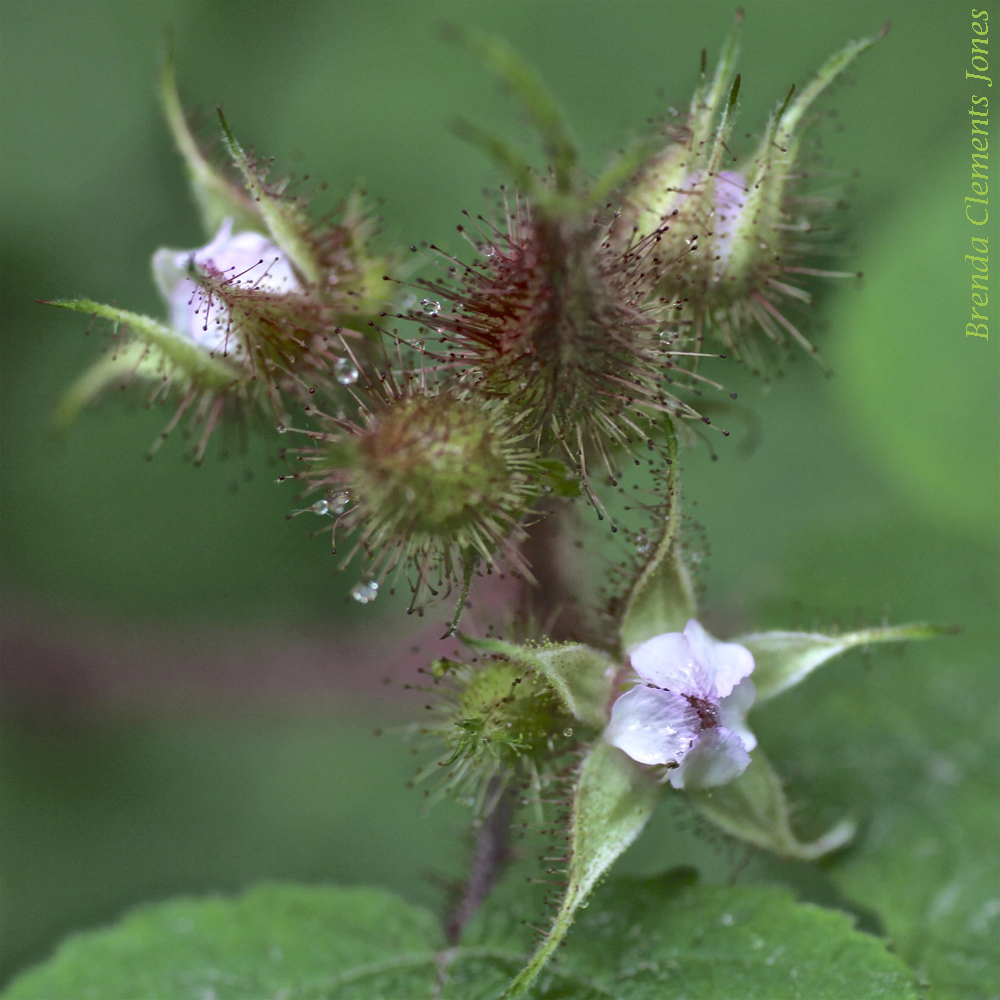
Wineberry (Rubus phoenicolasius). An invasive plant that is found throughout the woods up here. Right now there are small flowers. Five, heart shaped, pale pink petals with longer pointed sepals. Very soon to become berries. An invasive, but oh the berries are so good.
-
Ma and Pa Carolina Wren
The two of them so active. Back and forth from the nest. Bringing morsels of yummy caterpillars for their nestlings. Only stopping from time to time to sing with great bravado. Nestlings grow quickly. Hatching to fledging takes 12 to 14 days. Thank goodness. I’m worn out just watching Ma and Pa.
-
Red-eyed Vireo At The Birdbath
I hear them frequently in the woods surrounding my cabin. Making a call that sounds like a Catbird saying, “Myaaah!” Or more of a melodious song, that I use a mnemonic to remember, “Here I am! Where are you?!” As with other birds that I wouldn’t see ordinarily, the Red-eyed Vireo (Vireo olivaceus), is looking…
-
A Busy House
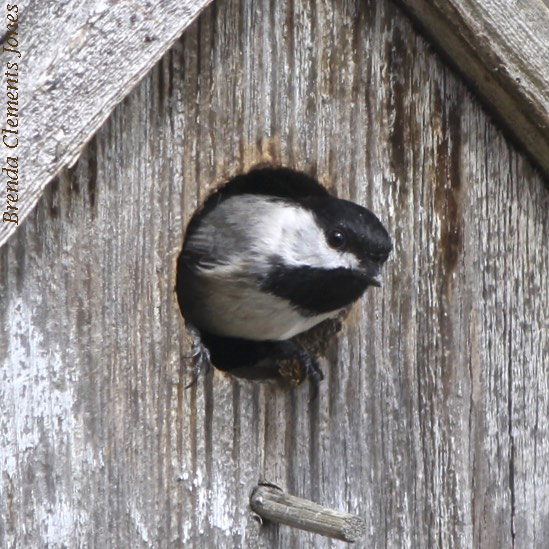
The female Chickadee (Paridae) has built her nest. I expect by now the eggs have hatched and both the male and the female are out searching for caterpillars, spiders and insects for their young. A bit of a timeline: One to two days after the female builds the nest, her eggs are laid. She incubates…
-
Woolly Dutchman’s Pipe

Woolly Dutchman’s Pipe (Aristolochia tomentosa). A vine that grows vigorously with a mind of its own. A vine with a funny looking flower. It’s native to southeastern Canada and the eastern United States. This is a plant in the genus Aristolochia. Plants in this genus are larval host plants of the Pipevine Swallowtail Butterfly. I…