-
Blooms Of Maple-leaf Viburnum
May 14, 2025 Maple-leaf Viburnum (Viburnum acerifolium) is blooming right now in my yard, and along trails up here in the mountains. It’s a shrub that reaches a height of 3′ to 6′ and a width of 3′ to 4′. The fuzzy textured leaves grow opposite each other, and are 2″ to 4″ long and…
-
Nettleleaf Sage
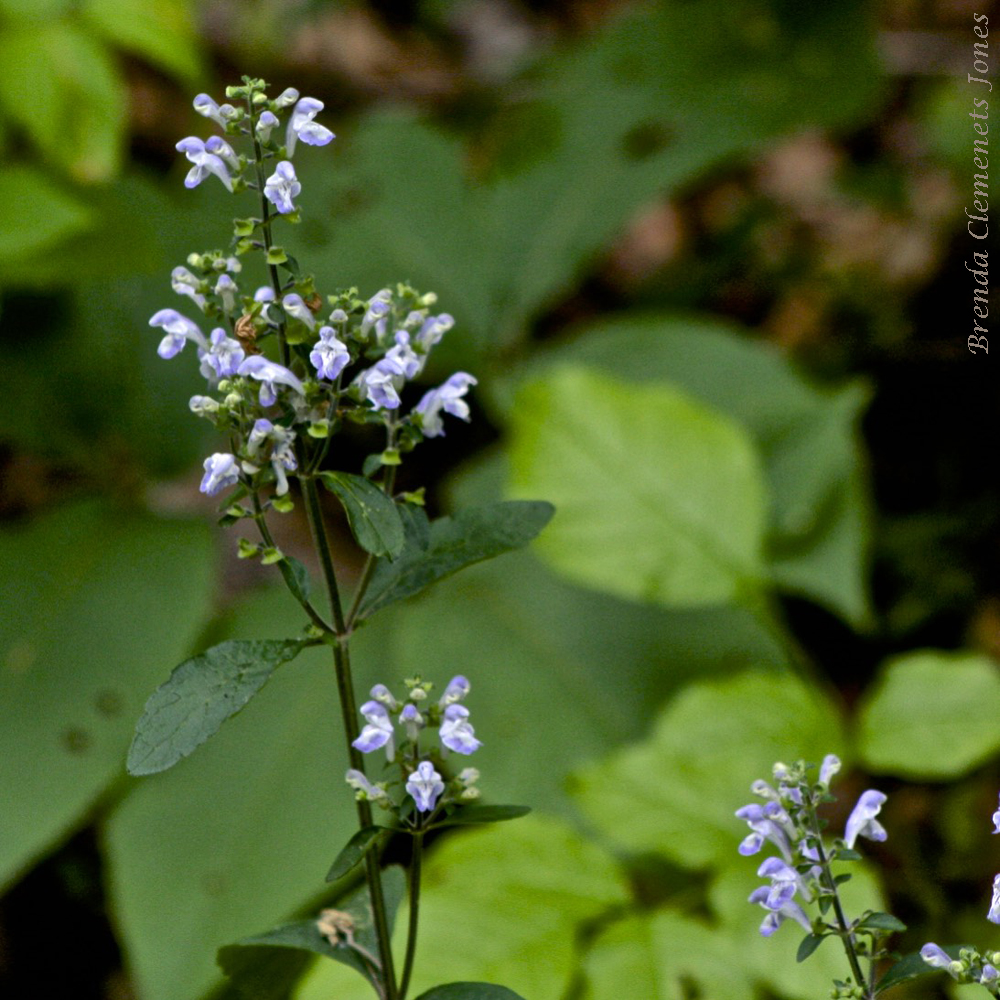
A member of the Mint family (Lamiaceae), Nettleleaf Sage (Salvia urticifolia) is an herbaceous perennial that is native to the southeastern United States, with some found in Pennsylvania which is the northernmost part of its range. It grows to 1 ½-2 feet tall, with square stems of green, that are pubescent. Leaves are opposite on short…
-
Wild Basil
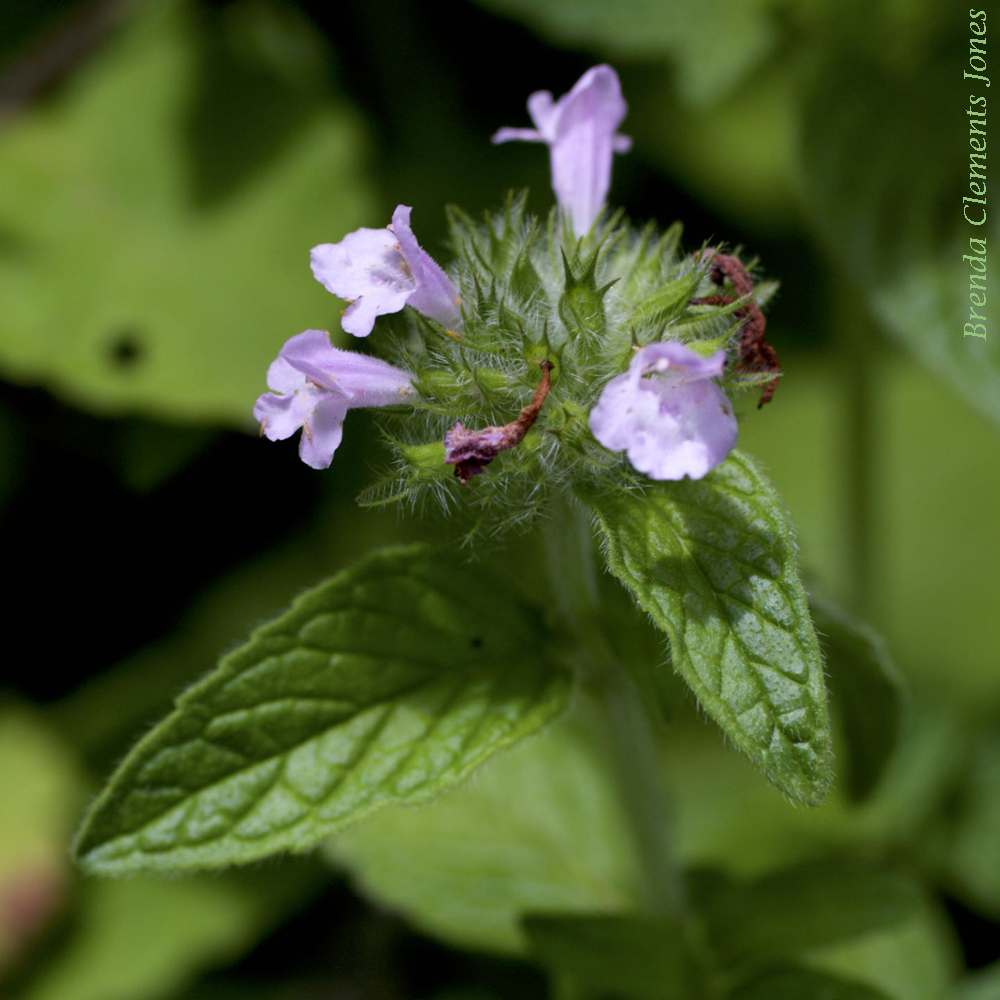
Wild Basil (Clinopodium vulgare), is an herbaceous perennial, and member of the Lamiaceae (mint) family. True Basil is also part of the Lamiaceae family. Being in that family, it has a square stem like so many mint plants that I have growing in my gardens. Flowers, 1/2 inch long are formed together in fuzzy clumps.…
-
Woodland Sunflower
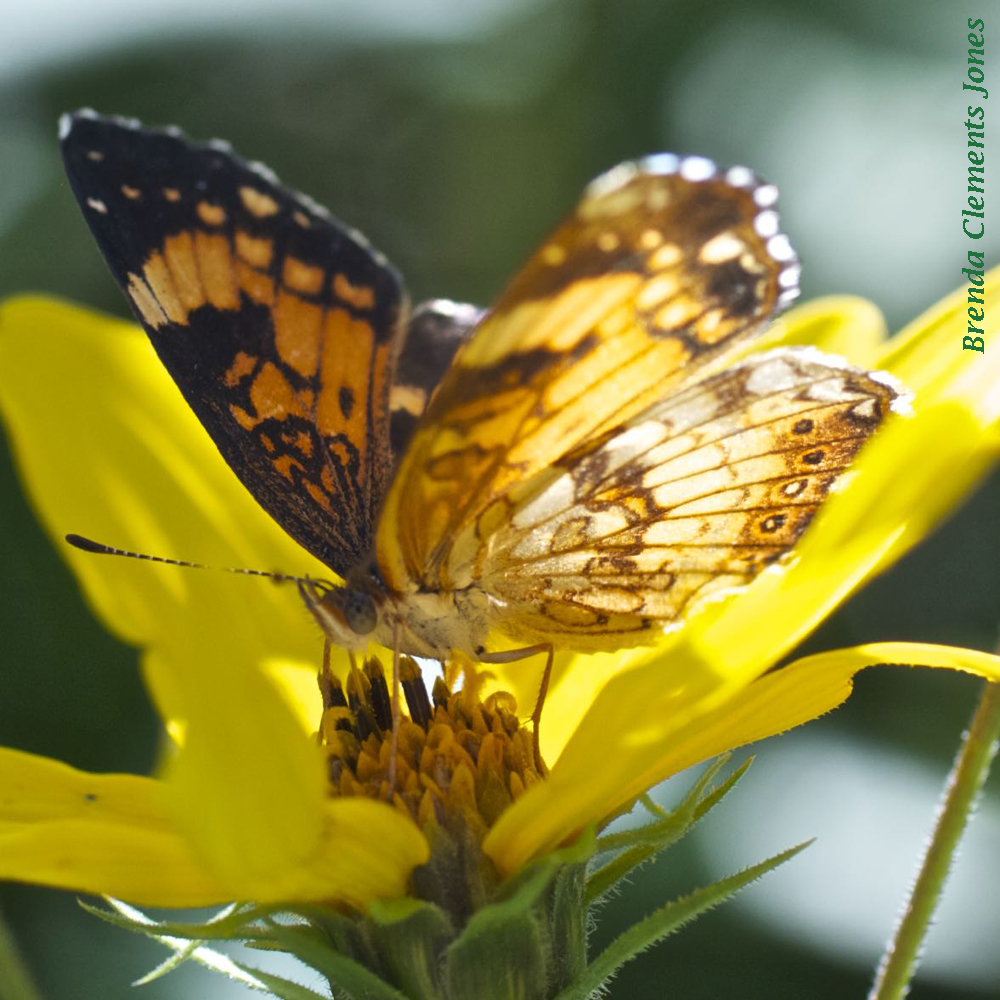
Woodland Sunflower (Helianthus divaricatus). An herbaceous perennial that often grows to 5 – 7 feet tall. It’s native to eastern and central North America and can be found along rocky trails and dry open sites. As this example, as it dances in the dappled sunlight shows, the leaves are opposite with a smooth to slightly toothed margin…
-
Long-Bracted Tickseed Sunflower
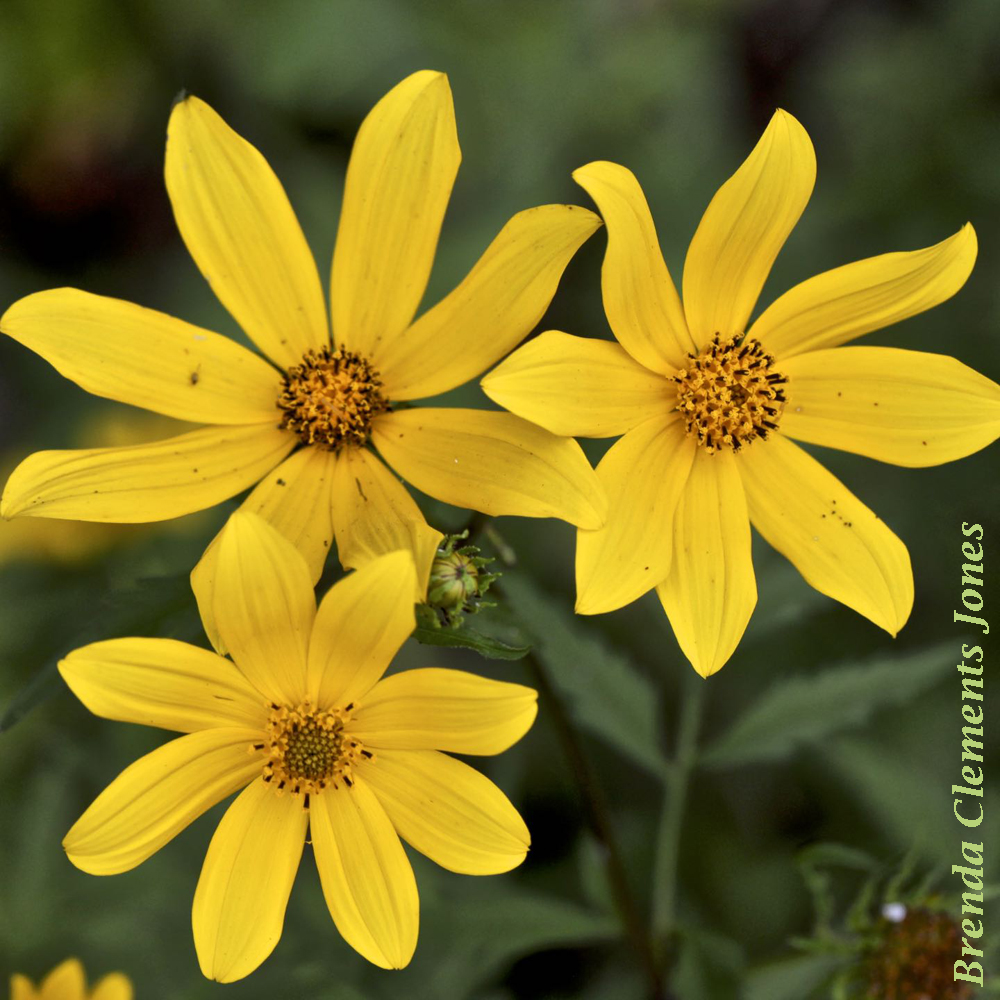
All along the roadsides. Rich warm yellow greets the cars and trucks that pass. Long-bracted Tickseed Sunflower (Biden polylepis). It’s native to eastern and central United States and south-central Canada. The leaves of Long-Bracted Tickseed Sunflower are quite distinctive, with sharply toothed margin, opposite and pinnately compound. These flowers bloom from late summer to early fall. Attracting all sorts of…
-
White and Red Dogwood Berries
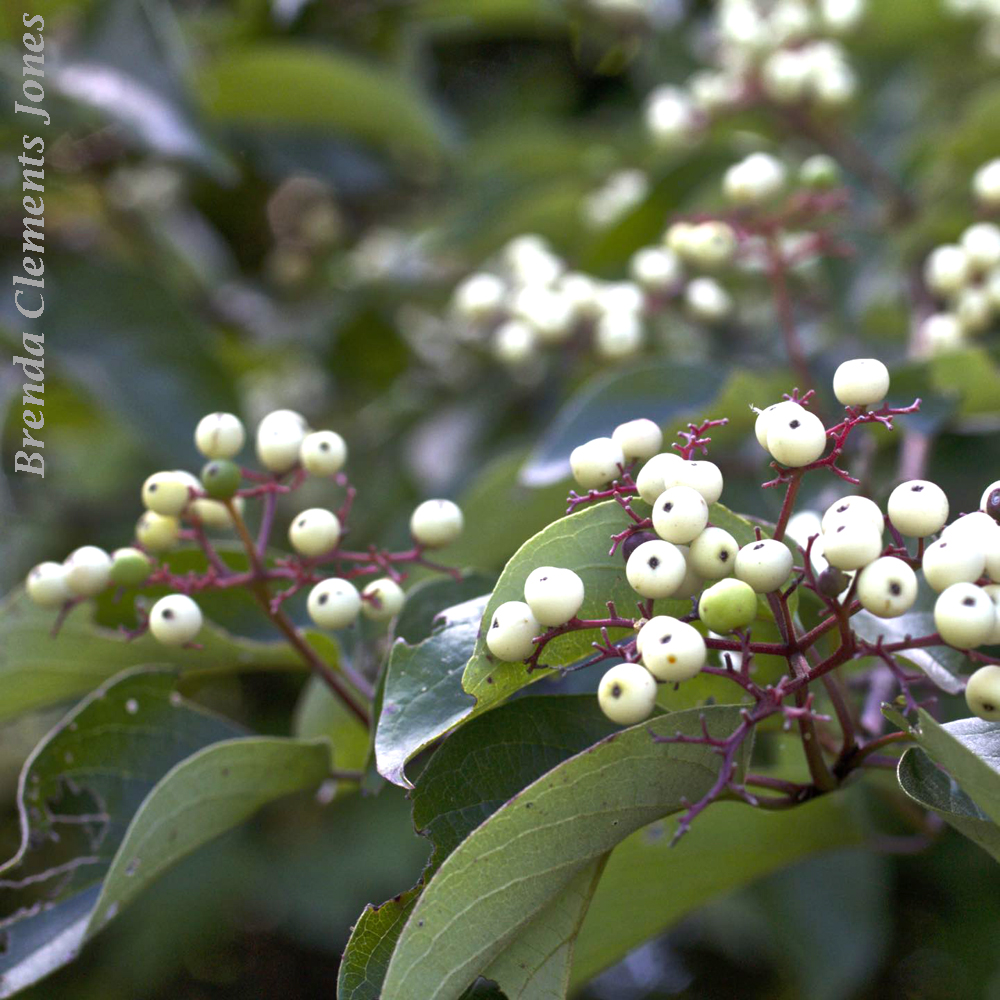
Autumn is approaching. The leaves of some Flowering Dogwoods are getting richer, more and more red. Their crimson berries, or drupes, are in abundance. This is the species of Dogwood that most people think of when “Dogwood” is mentioned. Flowering Dogwood (Cornus florida) and Gray Dogwood (Cornus racemosa). Two different Dogwood species. One of seventeen…
-
American Germander
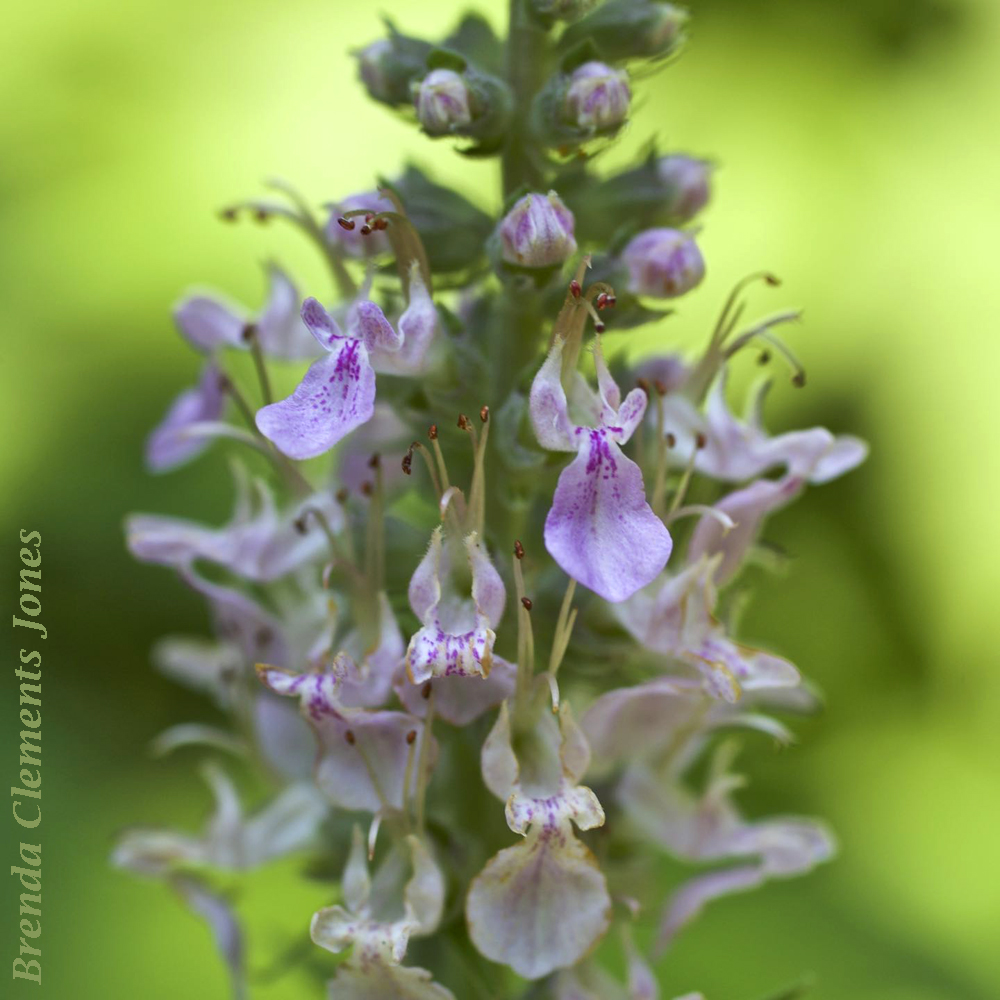
Native to all 48 of our contiguous states and a good bit of Canada too. An herbaceous perennial in the mint family American Germander (Teucrium canadense). Opposite leaves, squarish stem. Typical of the mint family. You’ll find Bees of the long-tongued sort, Hummingbird Moths, and Hummingbirds them selves, as pollinators. And if you’re looking for…